
Outdoor digital advertising has been an essential part of the advertising industry for centuries. However, with the advent of new technology, it has evolved significantly.
This article explores the transition from traditional billboards to Digital Out-of-Home (DOOH) advertising. We will be discussing the technological advancements, shifting consumer habits, and benefits of digital platforms that have shaped this evolution.
Traditional billboards
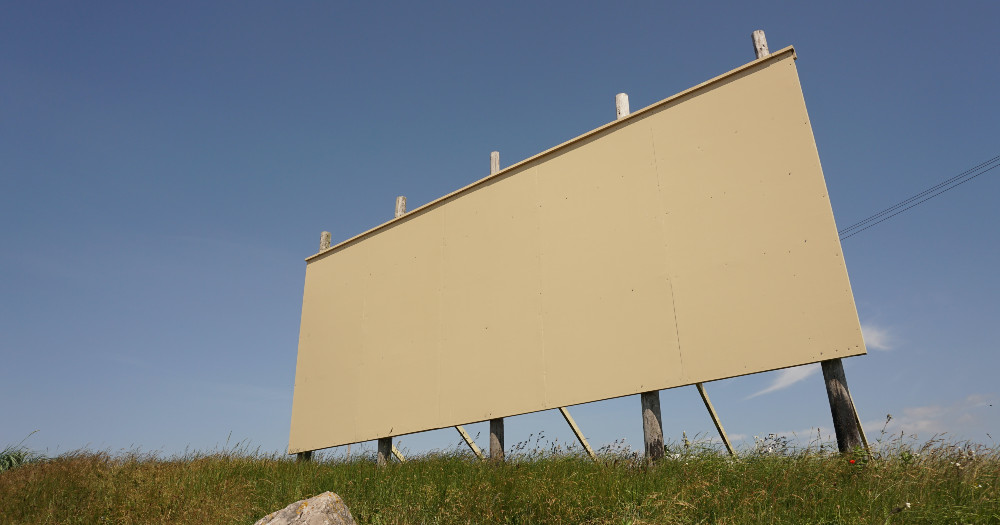
Traditional billboards have been a staple of outdoor advertising for many years. Typically located along highways or busy city streets, these large-scale ads offer marketers the opportunity to reach a wide audience.
Traditional billboards are static, printed advertisements, often leased for a period ranging from a few weeks to several months. They offer high visibility, especially in high-traffic areas. However, their static nature means that they can only display a single ad until they are manually replaced.
Billboards for iconic brands like Coca-Cola or McDonald’s are ubiquitous and have become part of the cultural landscape in many cities. Despite their widespread use, traditional billboards have limitations. Including the cost and effort required to change the displayed ads and the inability to target specific audiences or adapt to different times of day.
Introducing DOOH
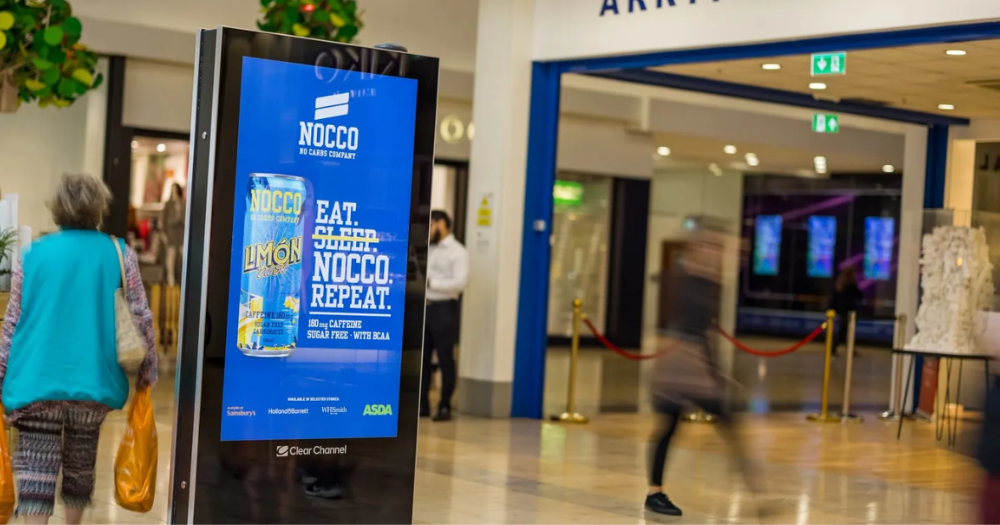
Digital Out-of-Home (DOOH) advertising represents a significant advancement in the outdoor advertising space. By replacing printed images with digital screens, DOOH allows for dynamic, adaptable, and interactive advertising.
Such ads are displayed on digital screens, which can range from large digital billboards to smaller displays in locations like bus stops, shopping centers, or airports. DOOH ads can be changed in real-time, allowing advertisers to display different ads at different times of the day, react to current events, or even interact with audiences.
DOOH has led to some truly innovative advertising campaigns. For example, British Airways ran a DOOH campaign where their ads – displayed on digital billboards – would interact with their planes flying overhead, with the ad showing the flight number and destination of the plane. This level of interactivity and real-time relevance is something that traditional billboards simply cannot match.
Technological advancements fueling DOOH
Several key technological advancements have driven the rise of DOOH. The development of high-quality digital screens that can withstand outdoor conditions made the transition from print to digital billboards possible.
Aside from the screens themselves, advancements in data collection and analytics have also fueled DOOH’s growth. Modern DOOH platforms can collect data on passers-by (such as the number of people, their speed, and even demographic info in some cases), allowing for improved audience targeting and measurement. Furthermore, the rise of programmatic advertising platforms has made it easier for advertisers to manage and optimize their DOOH campaigns.
Changing consumer habits
Just as important as technological advancements are the changing habits of consumers. With the widespread use of smartphones, consumers are more connected than ever – a fact that DOOH advertising takes advantage of.
DOOH can interact with mobile devices in various ways – for example, through QR codes that direct users to a website or app, or through technology like Bluetooth or geofencing. This ability to bridge the gap between the physical and digital worlds is a key advantage of DOOH.
The benefits of digital platforms
The shift to digital platforms has brought several benefits to outdoor advertising. For example, real-time updates, audience targeting, and advanced analytics capabilities.
The use of digital platforms in DOOH advertising brings an unprecedented level of flexibility. Ads can be updated in real-time. It allows advertisers to react to events instantaneously or change their message depending on the time of day or other factors. Audience targeting can be based on real-time and historical data, ensuring the ad’s relevancy to its viewers. Advanced analytics can provide detailed insights about who is viewing the ads and how they’re interacting with them. It enables advertisers to measure the effectiveness of their campaigns more accurately.
For example, a coffee company can advertise its breakfast menu in the morning. Then they can switch to lunch items in the afternoon, and promote its dinner menu in the evening. All on the same DOOH display. During a heatwave, a clothing retailer can promote its range of shorts and summer dresses. This ability to adapt advertising content in real time is a game-changer for the industry.
The future of digital outdoor advertising
As we look forward, the fusion of technology with outdoor advertising promises even more exciting possibilities. Advancements like augmented reality (AR), artificial intelligence (AI), and machine learning will likely play increasingly significant roles in DOOH. By continuing to adapt and innovate, DOOH will remain an influential player in the advertising landscape.
Conclusion
The evolution from traditional billboards to DOOH represents a revolution in outdoor advertising. This shift has been driven by technological advancements, changing consumer habits, and the myriad benefits offered by digital platforms. DOOH will continue to provide advertisers with dynamic, flexible, and effective ways to reach and engage their audiences.
If you found this article helpful in getting to know the evolution of outdoor digital advertisements and want to know more, check out – design effective content for outdoor digital signage article. To expand your knowledge even more, check out our website.