
In today’s competitive retail landscape, convenience stores are always looking for innovative ways to increase profits. One avenue that holds immense potential is the development of private label products. These store-branded goods offer a unique appeal to value-conscious customers and allow convenience stores to distinguish themselves from competitors.
This article explores the potential of private label products. We will be discussing their appeal, effective promotion strategies, and tips for successful development. It also highlights case studies of convenience stores that have boosted profits through such products.
The appeal of private-label products

Understanding the appeal of such products is crucial for any convenience store considering this strategy. These products offer unique advantages that can attract a broad segment of customers. They often come at lower prices than national brands, making them particularly attractive to value-conscious customers. But it’s not just about cost savings. Many consumers perceive private label products as offering comparable quality to branded items.
Moreover, these store-branded products can instill a sense of exclusivity and personalization, strengthening customer loyalty. For example, Trader Joe’s has built a loyal customer base with its array of high-quality, reasonably priced private-label items, ranging from organic produce to gourmet foods.
Promoting private label products
Successfully introducing private label products to your convenience store requires strategic promotion to ensure customers are aware of these new offerings and understand their benefits.
Here are some strategies to promote your products:
- Product sampling: Offering samples of your products can give customers a risk-free way to try them. If they like what they taste, they’re more likely to purchase the product.
- In-store signage: Use signs and banners in your store to draw attention to your products. Highlight their benefits, such as lower cost, comparable quality, or unique features.
- Discounts and promotions: Initial discounts or promotions can encourage customers to try your private-label products. For instance, offer a buy-one-get-one-free deal or a discount with a loyalty card.
- Social media marketing: Utilize your social media platforms to introduce your private label range, share customer reviews, and announce special promotions.
In conclusion, implementing effective strategies for promoting private label products is crucial for their success in a store. By utilizing various techniques, store owners can raise awareness and educate customers about the benefits of these products.
Developing a successful private label range
Developing a successful private label range requires a strong partnership with reliable suppliers.
Here are some tips to ensure a productive collaboration:
- Quality assurance: Make sure your supplier can consistently deliver high-quality products. Poor quality can damage your brand’s reputation.
- Competitive pricing: Negotiate a pricing structure that allows your private label products to be competitively priced against national brands.
- Product innovation: Work with your suppliers to develop unique products or variations that aren’t readily available from other brands. This can give your private label range a distinctive edge.
- Packaging design: Ensure the packaging design is appealing and clearly communicates your brand’s identity and the product’s benefits.
In conclusion, developing a successful private label range is a multifaceted endeavor that hinges on establishing a strong partnership with reliable suppliers. By following a few key strategies, businesses can enhance their chances of achieving success in the private label market.
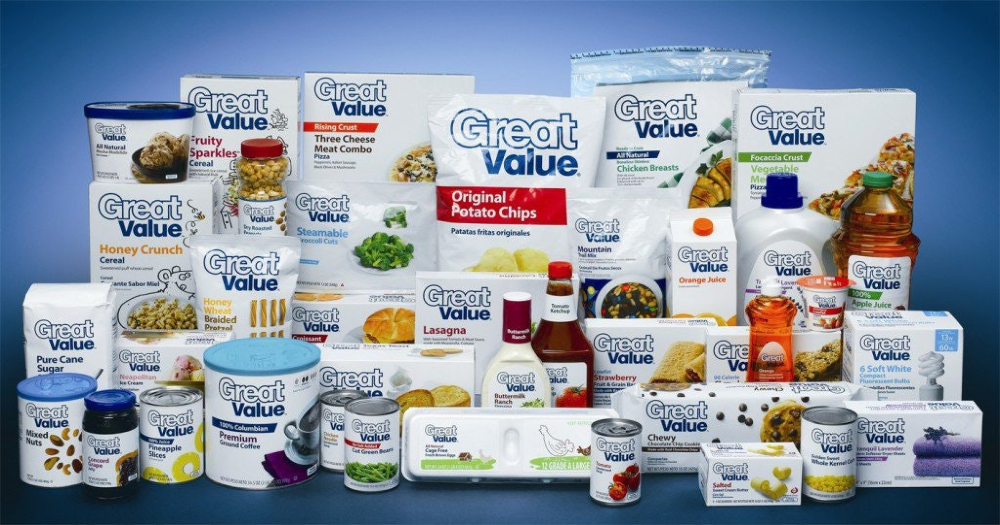
Real life examples
Several convenience stores have successfully utilized private label products to boost profits.
These case studies offer valuable insights:
- 7-Eleven: The convenience store giant 7-Eleven has its line of products under the 7-Select brand. The range includes snacks, beverages, and non-food items, all competitively priced. This strategy has not only boosted profits but also enhanced the brand’s image for quality and value.
- ALDI: While not a typical convenience store, ALDI provides a noteworthy example. The grocery retailer carries primarily private label products, offering high-quality goods at lower prices than branded alternatives. ALDI’s focus on private-label goods has been a significant factor in its successful expansion and customer loyalty.
The success stories of 7-Eleven and ALDI demonstrate the potential of private labels to enhance profitability and improve brand perception. You might find this article – Maximizing Sales With Effective Use of Tiered Display Stands, helpful as well as extra information on boosting store sales.
Compelling opportunity to increase profitability
In the face of intense competition and slim margins in the convenience store industry, private label products offer a compelling opportunity to increase profitability. They appeal to value-conscious customers, provide a platform for differentiation, and foster customer loyalty.
Successfully introducing and promoting a private label range requires careful planning, strategic promotion, and close collaboration with suppliers. However, as the case studies illustrate, the effort can pay off handsomely, contributing significantly to your store’s bottom line.
Private label products represent not just a tactical response to market conditions. It is also a strategic choice that can fundamentally enhance your convenience store’s value proposition. By tapping into this potential, you can drive profitability and build a more resilient and distinctive business.
Make sure to check out Marketingfixt.com for more articles like this.