
When customers step into your retail space or business location, they’re not just walking into a room—they’re entering your brand universe. In today’s competitive market, creating a memorable, immersive environment isn’t just a design choice. It’s a marketing strategy.
Your physical space should reflect your brand values, reinforce your messaging, and resonate with your audience—whether you’re a boutique, a café, or a tech startup.
At MarketingFixt.com, where we explore actionable marketing strategies to build brand awareness and drive sales, one often-overlooked area is the power of interior design. Beyond aesthetics, design can influence buying behavior, evoke emotions, and leave lasting impressions.
In this post, we’ll dive into how to tell your brand story through interior design, from aligning your décor with your core values to curating emotional, thematic experiences.
Aligning décor with brand values
Before choosing any materials or mood boards, brands must begin with self-awareness. Interior design should be an expression of your brand’s DNA.
If your brand is rooted in sustainability, your space should reflect that authenticity. This could include using eco-friendly materials, incorporating biophilic design with lots of natural elements, and minimizing waste in construction.
For example, Patagonia’s retail locations often include reused and recycled materials, emphasizing their environmentally conscious ethos. Conversely, a premium fashion brand might focus on sophisticated finishes like velvet, brass, or marble to reinforce exclusivity and refinement.
Conduct a brand audit before working with an interior designer. Make sure your mission, tone, and customer personas are documented and used as references throughout the design process. Every chair, wall color, and lighting fixture should feel like a continuation of your brand voice.
Create a mood board that blends both your marketing collateral and interior inspiration images. Seeing both side by side helps ensure harmony between your space and your broader branding.
Creating thematic experiences through texture
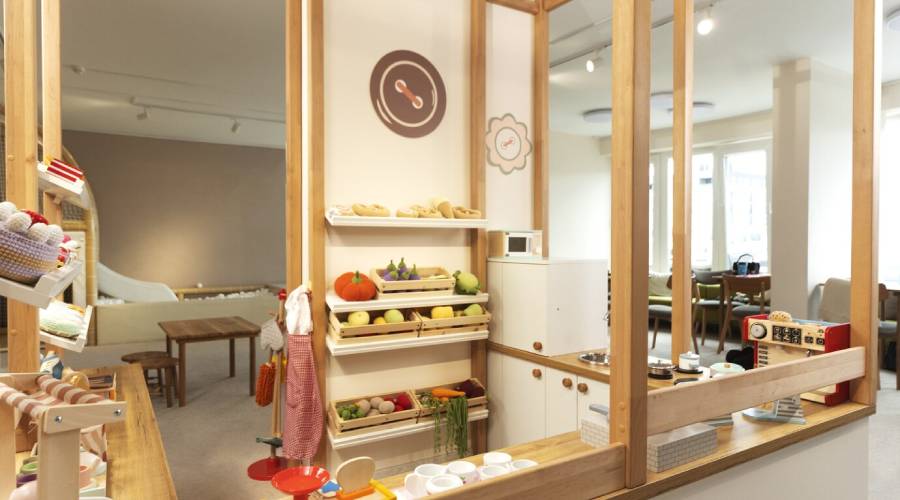
Design isn’t just about how your space looks—it’s about how it makes people feel. Each texture, color, and lighting choice contributes to the emotional resonance of the space.
Color psychology plays a huge role. Blue conveys trust, making it popular in tech and finance. Green suggests growth and calm, ideal for wellness or eco-friendly brands. Red creates urgency and energy, great for fast-paced environments like cafés or fast fashion outlets.
Textures can subtly reinforce your narrative. Polished concrete gives an urban, industrial vibe. Soft leathers and velvets suggest luxury. Reclaimed wood or raw cotton speaks to earthiness and sustainability.
Ambiance includes elements like background music, scent, and lighting temperature. Dim, warm lights feel intimate and inviting. Bright, cool lighting feels clinical but clean—often used in high-tech or minimalist brands.
Use ambient and task lighting strategically. Warm ambient lighting can create a welcoming atmosphere, while targeted lighting over displays subtly draws customer attention where it matters most.
Storytelling through layout and spatial design
The way your space is organized affects how customers move, feel, and connect with your brand. A purposeful layout can guide them through a journey—from initial intrigue to brand discovery to purchase.
Your spatial story might begin with a bold visual element at the entrance (a statement wall, hero product, or immersive screen), followed by progressive zones designed for interaction, education, or purchase.
Think in terms of “customer chapters”. For example:
- First impressions at the door—bold visuals and brand mission.
- The experience zone—interactive displays or product trials.
- The destination—checkout or a final branded moment (e.g., a selfie wall or digital feedback station).
Apple Stores use open floor plans and dedicated “play zones” to encourage product interaction, mirroring their core brand value of innovation through experience. Avoid cluttered layouts that feel chaotic. Clean pathways, logical flow, and focal points help reinforce a sense of brand clarity and confidence.
From signage to menu display stands
One of the most common mistakes businesses make is treating interior design separately from other brand elements. But cohesion across all physical touchpoints—from your front signage to your digital screens—builds a seamless brand story that customers trust.
For example, something as simple as the menu display stands you use in-store can either reinforce or dilute your brand message. A rustic chalkboard-style stand aligns with a farmhouse café, while a sleek acrylic frame suits a modern, tech-driven brand.
Ensure fonts, colors, materials, and tone of voice are consistent across your website, packaging, signage, and interior design. Create a “brand style guide” that includes interior elements and customer-facing décor.
Starbucks consistently uses earth tones, wood textures, and warm lighting in its stores worldwide. From their reusable cups to their loyalty program displays, the entire environment reinforces comfort, community, and quality.
Trending now – immersive & instagrammable spaces
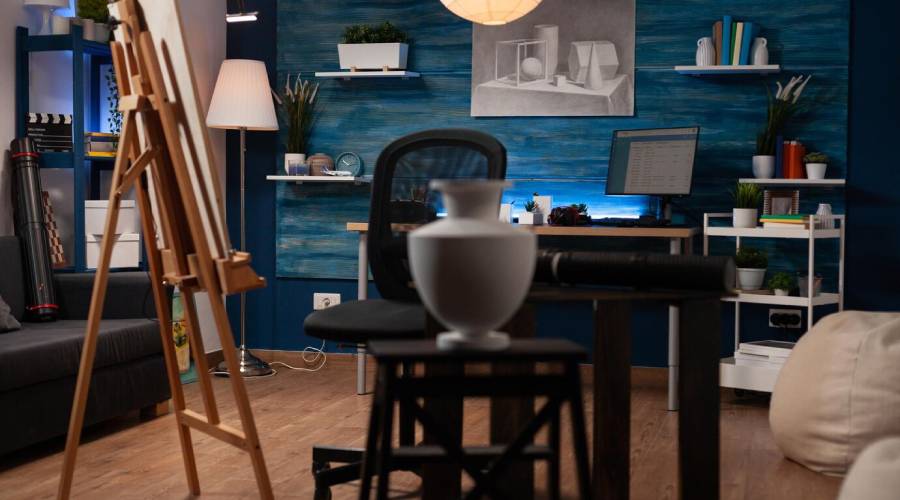
Designing for the camera is no longer a trend—it’s an expectation. Customers today are influencers in their own circles, and they love to share beautiful, unexpected, or quirky retail experiences.
Instagrammable moments don’t have to be over-the-top. They just need to be thoughtful and brand-relevant. That might mean a neon quote sign that captures your tagline, a beautifully plated dish on a custom ceramic table, or a cozy branded nook with great lighting.
Examples:
- Glossier’s flagship stores are essentially built for selfies, with pastel aesthetics, branded mirrors, and sculptural furniture.
- Erewhon, the high-end grocery chain in LA, uses product placement and polished interiors to encourage customers to take and share content.
Add interactive or AR-enhanced elements—like digital screens where customers can customize products or QR codes that trigger virtual storytelling. Encourage sharing by incorporating your Instagram handle or hashtag subtly into your décor. Even your mirrors can be branded.
Telling your brand story
Interior design is far more than décor—it’s a strategic marketing tool. In a world where customer loyalty is built on experience as much as product quality, the physical space you create speaks volumes. Every texture, color, light, and object contributes to how your brand is perceived.
At MarketingFixt.com, we help you unlock smarter ways to increase brand visibility, engage customers, and boost sales. Want to learn how even your menu display stands can align with your marketing strategy? Dive deeper into our blog for practical tips.
Remember, your store is not just where you sell your product. It’s where your brand lives, breathes, and connects.