
John Osborne

Cost-Effective Packaging Materials That Perform Well

pallet dollies

In today’s hypercompetitive market, packaging is much more than a functional necessity—it is a critical part of a brand’s marketing strategy. Smart packaging choices can significantly influence brand awareness, customer loyalty, and ultimately, sales.

At MarketingFixt.com, we equip marketing professionals with actionable insights to build stronger brands, launch successful advertising campaigns, and drive revenue growth. In this guide, we dive deep into cost-effective packaging options, comparing them by cost, strength, and appeal, while offering sourcing strategies and discussing important retail trends.

For businesses operating in compact settings, we will also highlight the value of pallet dollies in maximizing flexibility and space utilization—a smart complement to strategic packaging.

The reliable workhorse of retail packaging

Corrugated cardboard has long been considered the go-to choice for packaging across industries. Its widespread popularity is not coincidental; it offers an exceptional combination of low cost, high strength, and substantial branding potential.

Corrugated materials, particularly double-walled or triple-walled constructions, provide excellent protection against physical impacts during shipping and handling. This makes them suitable for both heavy products and fragile goods that require extra cushioning.

From a financial standpoint, corrugated packaging is budget-friendly, especially when ordered in bulk. As customization technologies like digital printing have matured, it has also become possible to create vibrant, branded packaging without the prohibitive costs traditionally associated with offset printing. Today, brands can produce high-resolution printed boxes, emboss their logos, or apply specialty coatings to make a strong visual impression.

Savvy marketers take full advantage of corrugated cardboard by right-sizing boxes to fit products closely, reducing shipping costs and excess materials. They also add branded inserts or create memorable unboxing experiences to elevate customer satisfaction. When using recycled or sustainably sourced materials, businesses not only save on costs but also appeal to environmentally conscious consumers, aligning their packaging with broader brand values.

packaging

Flexible packaging – adaptable, and highly economical

Flexible packaging solutions, such as poly mailers, pouches, and vacuum-sealed bags, are rising stars in the world of retail and e-commerce. They offer numerous advantages, especially for brands looking to minimize logistics costs and create convenient packaging solutions. Unlike rigid packaging, flexible formats require less raw material, making them cheaper to produce and significantly less expensive to transport.

Despite their lightweight nature, flexible packages are durable enough to protect a wide range of products, from apparel to perishable foods. Modern flexible films can include barrier layers that prevent moisture, oxygen, and UV light from degrading the contents, thereby extending shelf life.

Visually, flexible packaging provides an expansive canvas for creativity. Brands can implement eye-catching graphics, include clear windows to showcase the product, and integrate user-friendly features like resealable zippers or pour spouts. In a market where convenience and design are paramount, flexible packaging ticks all the right boxes.

Forward-thinking brands are also embracing biodegradable and compostable film options, marrying functionality with environmental responsibility. By selecting sustainable flexible materials, businesses can address growing consumer demand for eco-friendly products while maintaining cost-efficiency and strong shelf appeal.

Sustainable packaging – aligning with eco-conscious consumers

In recent years, sustainable packaging has moved from niche to necessity. Consumers—particularly Millennials and Gen Z—are actively seeking brands that demonstrate genuine environmental responsibility.

Companies that invest in sustainable packaging now are not just doing good. They are building powerful, lasting emotional connections with their customers.

Initially, sustainable materials such as bioplastics, mushroom-based foams, and recycled fibers can be slightly more expensive than conventional options. However, many businesses find that the long-term benefits, including customer loyalty, positive brand perception, and even regulatory incentives, outweigh the upfront costs.

Durability in sustainable packaging is no longer an issue, as technological innovations have led to materials that rival or surpass traditional plastics and papers in strength. From a visual perspective, eco-friendly packaging often carries a natural, earthy aesthetic that resonates with environmentally aware consumers. Minimalist, organic designs paired with visible certification logos like FSC, BPI, or CarbonNeutral can greatly enhance brand authenticity.

Marketing teams should ensure that sustainability claims are clear and honest. Educating consumers about the materials used and the environmental impact of their purchases builds trust and credibility. Transparency is essential; brands that “greenwash” by making false claims often suffer severe reputational damage.

Sourcing strategies and supplier comparisons

Choosing the right supplier is as critical as selecting the right packaging material. Brands must consider not only cost but also reliability, customization capabilities, and alignment with their sustainability goals.

Domestic suppliers offer significant advantages, such as shorter lead times, easier communication, and tighter quality control. They are ideal for businesses that prioritize agility and responsiveness. International suppliers, often based in regions like China, India, or Vietnam, may offer lower unit costs but bring challenges like longer shipping times, complex customs processes, and potential communication barriers.

To assess suppliers effectively, it is important to request samples early in the decision-making process. Samples allow brands to evaluate the material quality, print fidelity, and structural integrity before committing to large orders. Beyond product quality, brands should seek suppliers that can accommodate lower minimum order quantities if they are launching a new product or campaign.

Leading suppliers like Packlane, PakFactory, and international platforms like Alibaba offer diverse options for businesses of all sizes. Building a strong relationship with suppliers can open opportunities for negotiated discounts, exclusive materials, or priority production schedules. Businesses should also favor suppliers who offer digital platforms for easy ordering, customization, and tracking, as seamless integration improves operational efficiency.

Packaging for small retail spaces

Operating within small retail spaces demands creative thinking, not just in how products are displayed but also in how inventory and packaging are managed. Compact, space-efficient packaging solutions allow more products to fit on shelves, improving the range and variety offered to customers without overwhelming the store layout.

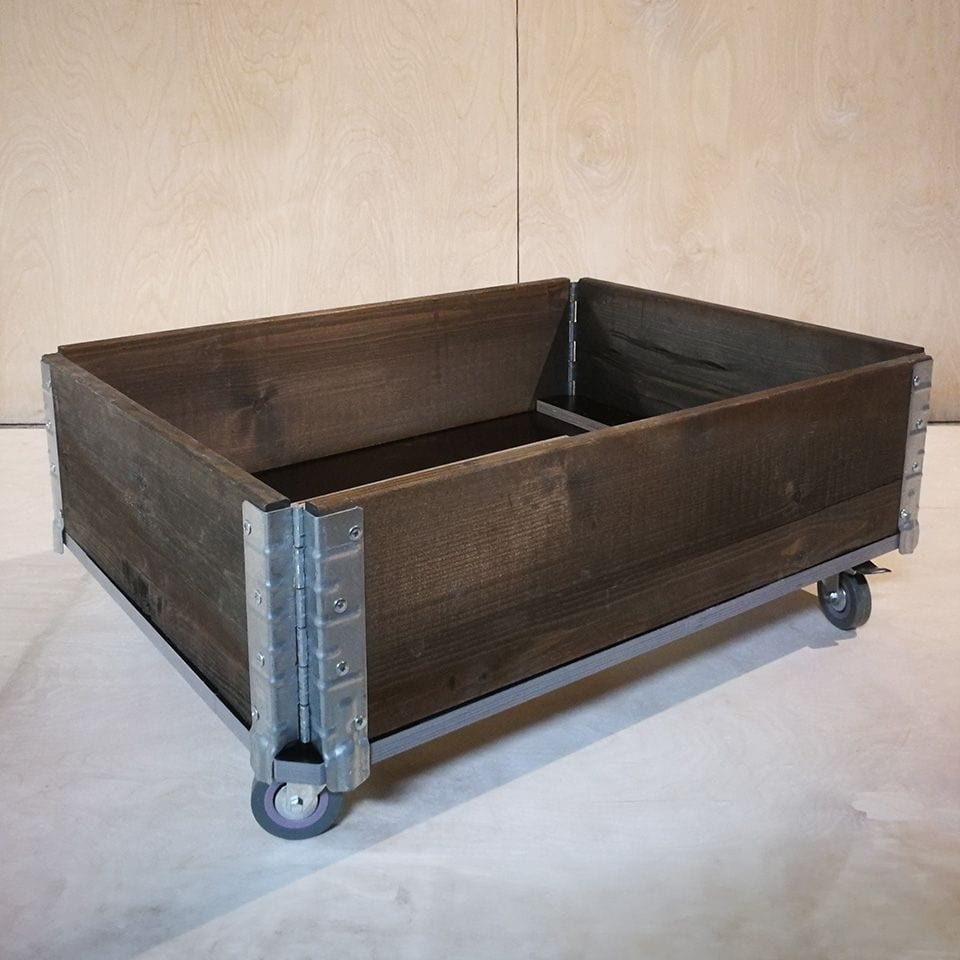
One overlooked but incredibly valuable tool for small retailers is the pallet dolly. These mobile platforms allow store owners to quickly and easily rearrange merchandise, refresh displays, and adapt to customer traffic flow. They are especially effective when paired with stackable, modular packaging designs that can be moved and reconfigured without heavy lifting.

By selecting packaging that stacks neatly, reduces floor space usage, and enhances product visibility, retailers can create more dynamic, appealing environments that encourage browsing and purchasing.

Emerging trends in retail packaging for 2025

Looking ahead, personalization continues to dominate the packaging landscape. Brands are finding ways to make their customers feel uniquely valued, whether by printing customer names on packages, offering custom design options at checkout, or including personalized messages inside product boxes. Personalization transforms a simple purchase into an emotional experience.

Smart packaging is another trend gaining momentum. By integrating QR codes, NFC tags, or augmented reality features, brands can extend their marketing efforts beyond the physical package. Smart packaging can provide additional information, showcase brand stories, or offer interactive experiences that deepen engagement and differentiate the brand in a crowded marketplace.

Minimalist designs, emphasizing simplicity and transparency, are also growing in popularity. Clean, uncluttered packaging that clearly communicates product benefits and brand values stands out on shelves and builds trust with increasingly skeptical consumers.

Additionally, innovations like edible packaging, while still in their infancy, represent exciting future opportunities, especially in the food and beverage sectors. Brands willing to invest early in these technologies could position themselves as category leaders.

pallet dollies retail

Choose cost-effective packaging

Packaging is no longer just a protective layer—it is a marketing powerhouse that touches every aspect of a brand’s success. For marketing professionals focused on building brand awareness, driving customer engagement, and increasing sales, selecting the right packaging materials is a strategic imperative.

Choosing cost-effective, durable, and visually appealing packaging can transform the customer experience, reduce operational costs, and reinforce a brand’s identity in powerful ways. Whether it’s the tried-and-true reliability of corrugated cardboard, the modern efficiency of flexible materials, or the forward-thinking appeal of sustainable solutions, the right packaging decisions can create lasting value.

Read this: Cost-Effective Solutions for Small Retail Spaces

And remember, particularly in tight retail environments, smart tools like pallet dollies can dramatically improve store agility and product presentation.

As the retail landscape continues to evolve, staying ahead of packaging trends and innovations will ensure your brand remains visible, memorable, and preferred in the eyes of your customers.

Impulse Buying Strategies – Merchandising Tips

display stands

In the competitive world of retail, impulse buying is a powerful tool to boost sales and enhance customer experience. This type of purchasing behavior occurs when customers make quick, unplanned decisions to buy products, typically spurred by strategic product placement and visual cues.

As a marketer, understanding the psychology behind impulse buying and incorporating effective merchandising strategies can significantly increase your sales. In this article, we’ll explore practical merchandising tips that can drive quick, impulse sales, particularly in high-traffic areas like checkout lanes, endcaps, and other strategic points in-store.

These techniques will not only help you maximize the potential of your retail space but also create an environment that encourages spontaneous purchases. Ready to learn more? Let’s dive in!

Checkout areas – power of last-minute purchases

One of the most crucial areas for impulse buying is the checkout lane. After customers have made their main purchases, they are often open to last-minute decisions.

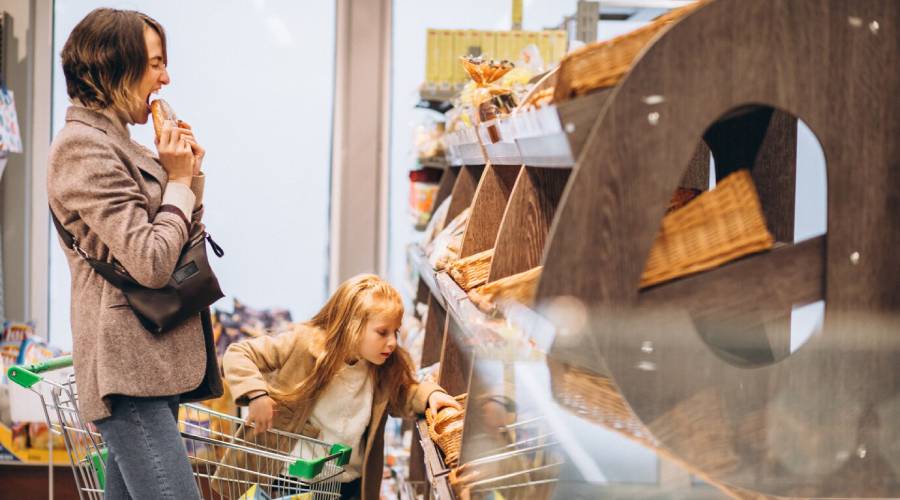
Strategic merchandising in this area can drive quick sales, especially when you present items that are small, inexpensive, and easy to grab on the way out. Checkout areas are prime locations for impulse buying because customers are already in a spending mindset and are typically looking to complete their transaction quickly.

However, that doesn’t mean they’re not susceptible to additional temptations. The key to success in this area is to display products that are attractive, low-cost, and easy to purchase without much thought.

To make the most of your checkout area, consider the following strategies:

  • Small, low-cost items: Focus on products that are easy to add to a cart at the last moment. Think of candy, gum, travel-sized toiletries, accessories, or trendy gadgets.
  • Seasonal or trending products: Keep your checkout area dynamic by featuring seasonal or trendy items. For example, during the holidays, you could feature holiday-themed gifts or decorations. People love to grab small, festive items when they see them.
  • Impulse items with high visual appeal: Use bright colors, attractive packaging, or novelty items that catch the eye quickly. People are more likely to buy something if it stands out in their line of sight.

A clothing store could place scarves, hats, or fashion accessories at the checkout to encourage additional purchases. These items are typically small, affordable, and easy to grab at the moment.

merchandising tips

Endcaps – maximizing visibility and convenience

Endcaps are the display areas located at the end of aisles, and they are one of the most effective spots for impulse buying. This prime real estate can significantly influence a shopper’s behavior by offering a highly visible location for products to shine.

Endcaps serve as an excellent opportunity to attract attention. Customers are often drawn to the end of aisles because they can spot items from a distance, even while walking down a different aisle. By utilizing endcaps effectively, you can showcase high-margin or trending items that will stimulate impulsive purchases.

Here are some best practices for using endcaps to drive sales:

  • Themed displays: Create a cohesive theme for your endcaps based on seasons, holidays, or popular trends. A well-curated endcap with a clear message can make a strong impression and encourage customers to purchase items that fit the theme.
  • Cross-sell related products: Endcaps provide an opportunity to cross-sell products. For example, a store selling gardening tools can place seeds, fertilizers, and gloves on the same endcap, making it easier for customers to buy everything they need for their gardening project at once.
  • Frequent rotation: Keep the endcaps fresh by rotating products regularly. This ensures that customers always encounter something new when they visit your store. Changing up the products can also help keep the display visually appealing and engaging.

A supermarket could place snacks, drinks, and candy at the end of each aisle, increasing the chance that customers will pick up something extra while they shop for other groceries. Check out this article: Best Size for Menu Display Stands

Strategic in-store points – capturing attention

Besides checkout areas and endcaps, there are numerous other spots in your store that can encourage impulse buying. These strategic in-store points can significantly affect purchasing decisions when used wisely.

Strategically placed products throughout the store can influence purchasing behavior by capitalizing on customers’ unspoken desires. These points could include the entrance area, along the main shopping aisles, near fitting rooms, or next to high-traffic sections such as the deli counter or coffee bar.

Consider the following strategies to enhance impulse buying at strategic in-store points:

  • Entrance displays: The entrance to your store is the first impression customers get, so make it count. Use attractive signage and displays that draw people in. This could include special promotions, limited-time offers, or brand-new products.
  • Fitting rooms: For apparel retailers, placing accessories, shoes, or small clothing items near fitting rooms can encourage customers to add a few more items to their purchase while they try on clothes.
  • Interactive or engaging displays: Consider using technology such as touchscreens or augmented reality to engage customers. For instance, a cosmetics retailer could offer a virtual mirror that lets customers see how different products look on them, triggering the impulse to buy.

A bookstore could set up a display of bestsellers or new releases near the cash register. Customers may be drawn to these books while they wait to check out and decide to make a spontaneous purchase.

Effective merchandising solutions

Merchandising is not just about placing products in the right spots; it’s also about making sure you have the right tools and equipment to support your strategy. The use of the proper merchandising solutions can ensure that your displays are efficient and impactful.

Effective merchandising solutions such as pallet dollies, display racks, and signage tools help organize and highlight products for maximum visibility and accessibility. With the right equipment, you can optimize space and make sure that your store looks polished and welcoming.

display stand

The digital and physical convergence

As retail evolves, trends like the integration of digital experiences with physical stores are becoming more important. Retailers are leveraging technologies such as digital signage, personalized recommendations, and in-store mobile apps to create a more seamless shopping experience. These trends further enhance impulse buying by offering real-time promotions and personalized suggestions.

The digital age has reshaped how customers interact with stores. By integrating physical and digital elements, retailers can create a more engaging, responsive environment that encourages impulsive purchases at the right moment.

Some of the latest trends that blend digital and physical merchandising include:

  • Mobile-integrated shopping: Offering store apps that push real-time offers, discounts, or product suggestions based on in-store location can trigger impulse buying when shoppers are most receptive.
  • Smart displays: Digital screens that offer rotating product promotions or display customer reviews can prompt customers to make quick decisions on purchases.
  • QR codes for instant discounts: Placing QR codes next to featured items can give customers immediate discounts when scanned, encouraging on-the-spot decisions.

A clothing store could use an app that notifies customers of exclusive deals on specific items while they’re browsing, driving them to make last-minute purchases.

Useful merchandising tips

Impulse buying is an art, and effective merchandising is the key to making it happen. By focusing on prime areas like checkout lanes, endcaps, and strategic points within the store, you can create an environment that stimulates customers to make quick, unplanned purchases.

Whether you’re using physical displays or leveraging new digital tools, always keep your displays fresh, engaging, and in tune with your customer’s preferences. With the right merchandising strategies, you can turn your store into a hub of impulse sales.

Telling Your Brand Story Through Interior Design

display stands

When customers step into your retail space or business location, they’re not just walking into a room—they’re entering your brand universe. In today’s competitive market, creating a memorable, immersive environment isn’t just a design choice. It’s a marketing strategy.

Your physical space should reflect your brand values, reinforce your messaging, and resonate with your audience—whether you’re a boutique, a café, or a tech startup.

At MarketingFixt.com, where we explore actionable marketing strategies to build brand awareness and drive sales, one often-overlooked area is the power of interior design. Beyond aesthetics, design can influence buying behavior, evoke emotions, and leave lasting impressions.

In this post, we’ll dive into how to tell your brand story through interior design, from aligning your décor with your core values to curating emotional, thematic experiences.

Aligning décor with brand values

Before choosing any materials or mood boards, brands must begin with self-awareness. Interior design should be an expression of your brand’s DNA.

If your brand is rooted in sustainability, your space should reflect that authenticity. This could include using eco-friendly materials, incorporating biophilic design with lots of natural elements, and minimizing waste in construction.

For example, Patagonia’s retail locations often include reused and recycled materials, emphasizing their environmentally conscious ethos. Conversely, a premium fashion brand might focus on sophisticated finishes like velvet, brass, or marble to reinforce exclusivity and refinement.

Conduct a brand audit before working with an interior designer. Make sure your mission, tone, and customer personas are documented and used as references throughout the design process. Every chair, wall color, and lighting fixture should feel like a continuation of your brand voice.

Create a mood board that blends both your marketing collateral and interior inspiration images. Seeing both side by side helps ensure harmony between your space and your broader branding.

store design

Creating thematic experiences through texture

Design isn’t just about how your space looks—it’s about how it makes people feel. Each texture, color, and lighting choice contributes to the emotional resonance of the space.

Color psychology plays a huge role. Blue conveys trust, making it popular in tech and finance. Green suggests growth and calm, ideal for wellness or eco-friendly brands. Red creates urgency and energy, great for fast-paced environments like cafés or fast fashion outlets.

Textures can subtly reinforce your narrative. Polished concrete gives an urban, industrial vibe. Soft leathers and velvets suggest luxury. Reclaimed wood or raw cotton speaks to earthiness and sustainability.

Ambiance includes elements like background music, scent, and lighting temperature. Dim, warm lights feel intimate and inviting. Bright, cool lighting feels clinical but clean—often used in high-tech or minimalist brands.

Use ambient and task lighting strategically. Warm ambient lighting can create a welcoming atmosphere, while targeted lighting over displays subtly draws customer attention where it matters most.

Storytelling through layout and spatial design

The way your space is organized affects how customers move, feel, and connect with your brand. A purposeful layout can guide them through a journey—from initial intrigue to brand discovery to purchase.

Your spatial story might begin with a bold visual element at the entrance (a statement wall, hero product, or immersive screen), followed by progressive zones designed for interaction, education, or purchase.

Think in terms of “customer chapters”. For example:

  1. First impressions at the door—bold visuals and brand mission.
  2. The experience zone—interactive displays or product trials.
  3. The destination—checkout or a final branded moment (e.g., a selfie wall or digital feedback station).

Apple Stores use open floor plans and dedicated “play zones” to encourage product interaction, mirroring their core brand value of innovation through experience. Avoid cluttered layouts that feel chaotic. Clean pathways, logical flow, and focal points help reinforce a sense of brand clarity and confidence.

From signage to menu display stands

One of the most common mistakes businesses make is treating interior design separately from other brand elements. But cohesion across all physical touchpoints—from your front signage to your digital screens—builds a seamless brand story that customers trust.

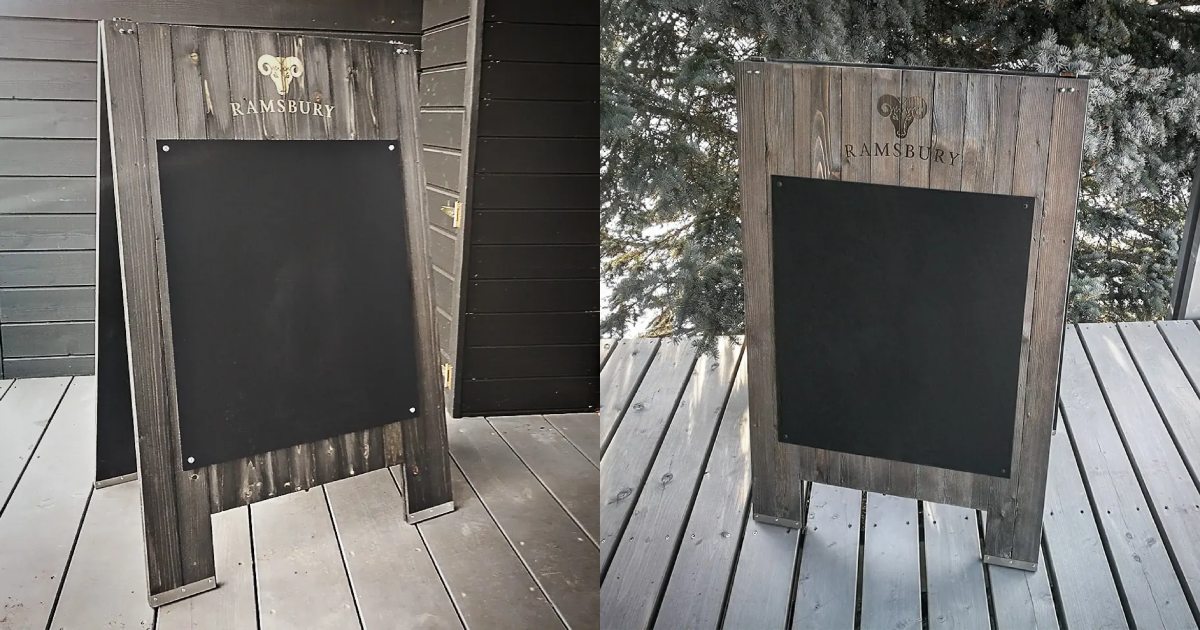
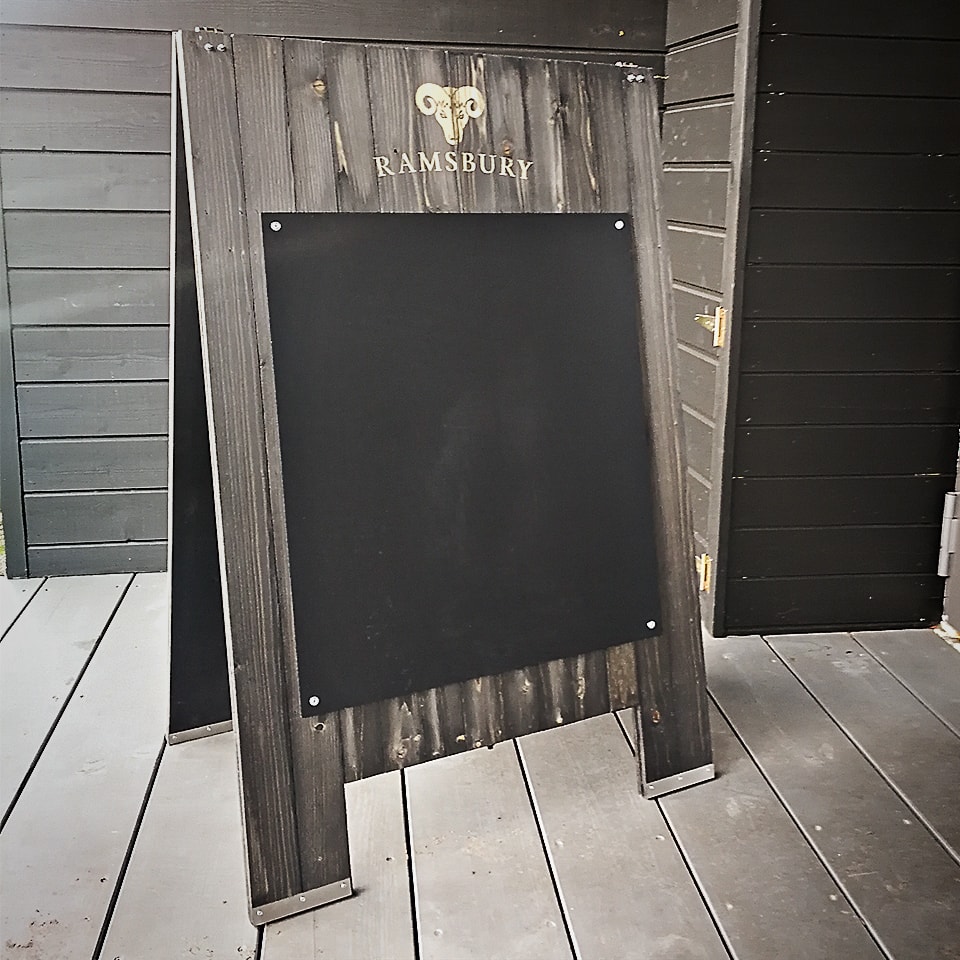
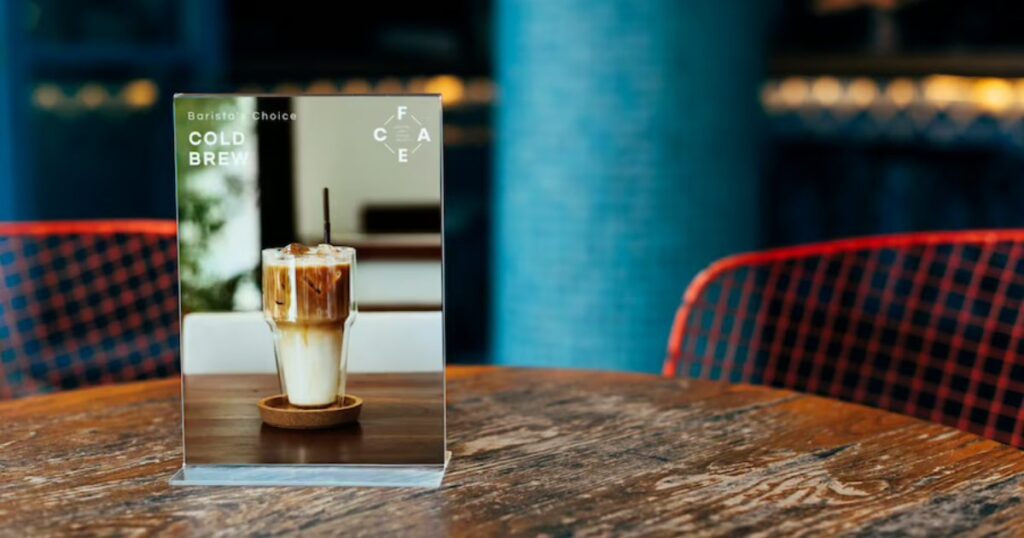
For example, something as simple as the menu display stands you use in-store can either reinforce or dilute your brand message. A rustic chalkboard-style stand aligns with a farmhouse café, while a sleek acrylic frame suits a modern, tech-driven brand.

Ensure fonts, colors, materials, and tone of voice are consistent across your website, packaging, signage, and interior design. Create a “brand style guide” that includes interior elements and customer-facing décor.

Starbucks consistently uses earth tones, wood textures, and warm lighting in its stores worldwide. From their reusable cups to their loyalty program displays, the entire environment reinforces comfort, community, and quality.

shop design

Trending now – immersive & instagrammable spaces

Designing for the camera is no longer a trend—it’s an expectation. Customers today are influencers in their own circles, and they love to share beautiful, unexpected, or quirky retail experiences.

Instagrammable moments don’t have to be over-the-top. They just need to be thoughtful and brand-relevant. That might mean a neon quote sign that captures your tagline, a beautifully plated dish on a custom ceramic table, or a cozy branded nook with great lighting.

Examples:

  • Glossier’s flagship stores are essentially built for selfies, with pastel aesthetics, branded mirrors, and sculptural furniture.
  • Erewhon, the high-end grocery chain in LA, uses product placement and polished interiors to encourage customers to take and share content.

Add interactive or AR-enhanced elements—like digital screens where customers can customize products or QR codes that trigger virtual storytelling. Encourage sharing by incorporating your Instagram handle or hashtag subtly into your décor. Even your mirrors can be branded.

Telling your brand story

Interior design is far more than décor—it’s a strategic marketing tool. In a world where customer loyalty is built on experience as much as product quality, the physical space you create speaks volumes. Every texture, color, light, and object contributes to how your brand is perceived.

At MarketingFixt.com, we help you unlock smarter ways to increase brand visibility, engage customers, and boost sales. Want to learn how even your menu display stands can align with your marketing strategy? Dive deeper into our blog for practical tips.

Remember, your store is not just where you sell your product. It’s where your brand lives, breathes, and connects.

Enhancing Customer Flow with Movable Displays

movable displays

In the world of retail, how products are displayed can significantly influence customer behavior and sales. At MarketingFIXT, we explore innovative strategies to maximize the effectiveness of marketing fixtures, including display stands and product racks.

One powerful technique to consider is the use of movable displays. By strategically placing and repositioning these displays, retailers can effectively guide customer flow, enhance the shopping experience, and ultimately drive sales.

In this article, we will explore practical tips for utilizing pallet dollies to manage display placement and movement.

Understanding customer flow

Customer flow refers to how shoppers navigate through a store. A well-planned customer journey can lead to increased engagement and higher sales. Movable displays offer retailers the flexibility to adjust their layout based on customer behavior, seasonal promotions, or even inventory levels.

Analyzing customer flow involves observing how shoppers move through your store, identifying high-traffic areas, and understanding where bottlenecks occur. Retailers can use tools like foot traffic analysis and heat mapping to gather data. Here are some questions to consider:

  • Where do customers tend to congregate?
  • Are there areas that customers avoid?
  • How long do customers spend in specific sections?

By assessing these factors, retailers can make informed decisions about display placements.

movable displays

Strategic placement of movable displays

The placement of displays plays a critical role in directing customer flow. Properly positioned displays can attract attention and encourage shoppers to explore different areas of the store.

When determining where to place movable displays, consider the following tips:

  1. Create sightlines: Place displays where they are easily visible from key vantage points, such as entrances and checkout areas. This ensures that customers see promotions as soon as they enter. For example, a seasonal display of holiday items near the entrance can draw customers in immediately.
  2. Use high-traffic areas: Position displays in high-traffic areas to capture the attention of passing customers. For instance, displays near the checkout line can encourage last-minute purchases.
  3. Facilitate flow: Arrange displays to create a natural flow through the store. Avoid placing them in ways that block aisles or create congestion.
  4. Dynamic layouts: Use movable displays to change the store layout periodically. This keeps the shopping experience fresh and encourages repeat visits.
  5. Complementary product placement: Position related products together to promote cross-selling opportunities. For example, placing chips near salsa or crackers near cheese can prompt customers to buy complementary items.

Utilizing pallet dollies for display movement

Pallet dollies provide a practical solution for moving displays throughout the store. Their ease of use can help retailers quickly adapt to changing customer needs and inventory levels.

Here are some effective ways to use pallet dollies for display movement:

  1. Quick reconfiguration: Use pallet dollies to rearrange displays quickly in response to sales data or customer feedback. For example, if a particular product is selling well, you can move its display closer to high-traffic areas.
  2. Seasonal adjustments: Easily swap out displays for seasonal promotions. A dolly makes it simple to roll out a new display for back-to-school items or holiday-themed products.
  3. Event-specific setups: For special events or promotions, use pallet dollies to create temporary displays. This flexibility allows you to tailor the shopping experience without significant time or labor costs.
  4. Staff training: Train staff on how to effectively use pallet dollies to ensure quick and safe movement of displays. This can improve efficiency during busy periods.

Enhancing engagement with interactive displays

Interactive displays not only attract attention but also engage customers, encouraging them to spend more time in your store.

Consider incorporating elements that allow customers to interact with the displays:

  • Touchscreen interfaces: Provide product information, reviews, or tutorials directly on the display.
  • Sampling stations: Create areas where customers can try out products, increasing the likelihood of purchase.

Example for this can be – a cosmetics store might have a movable display with samples that customers can test, drawing them into the area and prompting sales. Additionally, consider integrating social media elements, such as hashtags or photo ops, to encourage customers to share their experiences online.

Analyzing display effectiveness

After implementing movable displays, it’s essential to measure their impact on customer flow and sales.

Use these strategies to analyze display effectiveness:

  1. Sales tracking: Monitor sales data before and after display changes to assess their impact.
  2. Customer feedback: Solicit feedback from customers about their shopping experience and the visibility of displays.
  3. Foot traffic analysis: Use technology to track changes in customer movement patterns related to display placement.
  4. A/B testing: Experiment with different display setups to see which configuration yields the best results. Adjust based on real-time data.
  5. Visual merchandising audits: Conduct regular audits of your displays to evaluate their appearance and effectiveness. Ensure they remain aligned with current marketing campaigns and store aesthetics.
colorwoodlatvia

Seasonal strategies for movable displays

Seasonal promotions provide an excellent opportunity to leverage movable displays to boost sales.

  1. Theme-based layouts: Use seasonal themes to create cohesive displays that resonate with customers. For example, during Halloween, create a spooky display that includes costumes, decorations, and candy.
  2. Limited-time offers: Highlight limited-time offers prominently using movable displays. Change these displays frequently to maintain a sense of urgency and excitement.
  3. Community events: Align display placements with local events, such as fairs or festivals. For instance, if your town is hosting a summer festival, create a display featuring summer essentials.

Incorporating technology into displays

Technology can elevate the effectiveness of displays, providing customers with a more engaging experience.

  1. Digital signage: Use screens to showcase dynamic content, such as product videos or customer testimonials, on movable displays. This attracts attention and keeps information fresh.
  2. Augmented reality (AR): Implement AR experiences that allow customers to visualize products in their own space, enhancing the decision-making process.
  3. QR codes: Integrate QR codes that customers can scan to receive discounts, access product information, or connect with loyalty programs.

Movable displays – guide customers effectively

Movable displays, when strategically placed and easily repositioned using pallet dollies, can significantly enhance customer flow and improve the shopping experience. By analyzing customer behavior, strategically positioning displays, and incorporating interactive elements, retailers can guide customers more effectively through their store.

Additionally, utilizing seasonal strategies and technology can further elevate the impact of your displays. Ultimately, this leads to increased engagement and sales opportunities. For more tips and insights on marketing fixtures and retail strategies, stay tuned to MarketingFIXT!

Cost-Effective Solutions for Small Retail Spaces

pallet dollies

Running a small retail shop means making every inch of space count. When it comes to driving sales, how you display your products can make a big difference.

That’s why smart fixtures, like display pallet dollies, are essential. At MarketingFIXT, we get the challenges small retailers face, and we’re here to help you make your space not just functional but also appealing.

In this guide, we’ll show you how display pallet dollies can help you maximize your space, improve product placement, and ultimately boost your sales.

What are display pallet dollies?

In a small shop, making the most of your space without sacrificing product visibility is tricky. Display pallet dollies are a game-changer—they’re compact, mobile, and perfect for tight spots.

These dollies are small platforms on wheels, designed to hold and move displays around your store. They make it easy to change up your store’s layout, allowing you to find the best spots to showcase your products.

Their small size means they don’t take up much room, but their mobility gives you the freedom to experiment with where things go. Take a small clothing boutique, for example.

You can use a display pallet dolly to highlight seasonal or sale items right by the entrance. As your inventory changes, just roll the dolly to a new spot, keeping the spotlight on what matters most.

pallet dollies colorwood

Product placement with display stands and dollies

Where you place products in your store is crucial to driving sales, especially in a small space. By combining display stands with pallet dollies, you can create eye-catching setups that are easy to move around.

Raising products to eye level with a display stand makes them more appealing to customers. And with the mobility of a dolly, you can easily shift the display to a different spot if traffic patterns change or when you’re running a new promotion.

For example, in a small electronics shop, you might feature the latest gadgets on a dolly-mounted display stand. As new items come in, you can move the display to different areas, grabbing customers’ attention and encouraging them to make impulse buys.

Creating a flexible and engaging shopping experience

Flexibility is key in keeping a small store fresh and inviting. Display pallet dollies help you do just that, allowing you to easily change up your store’s layout.

One of the biggest perks of these dollies is that they let you keep your store’s look fresh without being stuck with permanent fixtures. This keeps things exciting for returning customers and encourages them to explore every corner of your shop.

For instance, a small grocery store could use dollies to rotate seasonal produce displays. By rearranging the layout every few weeks, you can spotlight different items and create a sense of novelty that can lead to more sales.

Improving customer flow and navigation

A good store layout not only shows off your products but also guides customers through your space, ensuring they see everything you have to offer. Display pallet dollies can help you optimize customer flow in a small store.

In tight spaces, managing how customers move through your store is crucial. Dollies can be placed to create natural pathways, leading customers through the shop. Plus, if certain areas aren’t getting enough attention, you can quickly adjust the dolly displays to redirect traffic.

Imagine a small bookstore using dollies to guide customers from the entrance to the back of the store. If some sections are getting overlooked, you can simply reposition the displays to draw more foot traffic.

Budget-friendly display solutions for small shops

Small retailers often have to watch their budget closely. It’s important to find cost-effective solutions that don’t skimp on quality. Display pallet dollies are an affordable, versatile option that fits the bill.

These dollies are a more budget-friendly alternative to permanent fixtures, offering durability and flexibility. They’re a smart investment that can grow with your business, adapting to your needs over time.

For example, a pop-up shop could invest in a few display pallet dollies to create movable displays. When it’s time to move to the next location, the displays can be easily packed up and transported, making them perfect for businesses that need to stay flexible.

dollies

Making most of seasonal and promotional displays

Seasonal sales and promotions are vital for small retailers. Display pallet dollies make it easy to roll out special displays without messing up your store’s overall layout.

In a small space, seasonal displays can be tricky. But with display pallet dollies, you can roll out festive displays when needed and easily store them away afterward.

For instance, during the holiday season, a small gift shop could use a dolly to feature holiday-themed items near the checkout. Once the season is over, the dolly can be moved or repurposed, keeping your space efficient.

Smart solutions for small spaces

Maximizing your space while keeping your store engaging and flexible is key to boosting sales. Display pallet dollies offer an affordable, versatile solution to help you reach these goals.

By using these mobile fixtures, you can create dynamic displays, improve product placement, and enhance the overall shopping experience—all without breaking the bank.

At MarketingFIXT, we’re committed to helping you find the right fixtures for your retail space. Check out our range of display solutions and see how you can make the most of your store’s limited space.

Watermelon Slicer vs. Traditional Knives

watermelon cutter

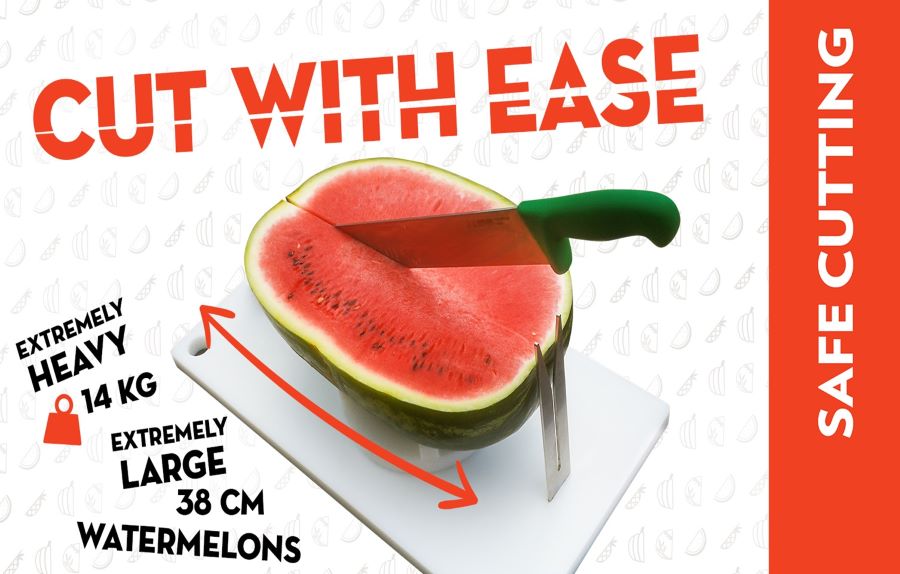
Efficiency and precision are paramount when slicing large fruit in supermarket food preparation kitchens. Traditional large knives can handle watermelons, pumpkins, and cabbages. Use watermelon cutter.

However, these knives must be handled safely and in an ample working space. Today, however, innovations such as the watermelon cutter are changing the situation by offering a faster and safer alternative.

safe cutting fruits

Cost analysis of knives and watermelon slicers

Although large knives are generally cheaper, they have significant disadvantages for cutting large fruit. A high-quality set of large knives needed to cut a variety of fruits can be a costly investment in any food preparation area.

On the other hand, although initially more expensive, a watermelon slicer reduces the need for more knives. This specialized tool is designed to efficiently cut thick peel and bulky sizes, which can lead to cost savings in the long run.

Efficiency and versatility of the watermelon slicer

The watermelon cutter is not only for slicing watermelons. It can be used just as effectively to cut other large fruits and vegetables, such as melons, pumpkins, and even cabbages. This versatility makes it an indispensable tool in the supermarket kitchen, optimizing the food preparation process.

Unlike the conventional knife method, the Watermelon cutter easily adapts, keeping the length of the cuts even and reducing cooking time. Its design minimizes the space required for cutting, making it ideal for smaller or more crowded kitchens.

watermelon slicer

Case for watermelon slicers in modern kitchens

The switch to watermelon slicers in supermarket kitchens offers a practical and modern solution to traditional challenges. The watermelon slicer will be a versatile tool for slicing not only watermelons but also pumpkins, cabbages, and other large fruits and vegetables. 

Reducing the required tools frees up the workspace and reduces kitchen operations. The watermelon slicer is a versatile tool that replaces old methods, ensuring efficiency and safety in preparing fruit and vegetables.

Check out these articles too:

Optimization Strategies for SEO Blog Posts

seo technical audit

In the digital age, the strength of a blog is the quality of its content, as well as its visibility. For platforms like majur.lv that focus on marketing, efficient shopping, and smart spending, it is crucial to learn search engine optimization (SEO) skills.

This article takes an in-depth look at advanced SEO strategies tailored specifically for banner ads, ensuring that your content reaches your target audience. From creating compelling headlines to using links effectively, we’ll cover everything you need for successful SEO.

Optimizing headlines – importance of well-designed headline

The title of a blog post is its first impression on search engines and potential readers. A well-optimized headline should be enticing and informative at the same time.

It should also contain key keywords and reflect the essence of the content. To ensure that headlines are correctly displayed on search results pages, they should ideally be less than 60 characters.

Tips for optimizing headlines:

  • Use target keywords: The main keyword should be placed at the beginning of the headline to emphasize its importance.
  • Be descriptive and concise: Make sure that the title clearly explains the topic, but is short.
  • Arouse curiosity: Headlines that arouse interest or promise solutions usually show better click-through rates.
e-commerce seo

The role of Meta descriptions in SEO

Meta descriptions provide a summary of your copywriting blog post in search engine results. Though not a direct ranking factor, meta descriptions significantly affect user engagement. A compelling meta description can improve the likelihood of someone clicking on your article.

Creating effective meta descriptions:

  • Include keywords: Use the target keywords evenly in the meta description.
  • Don’t exceed 160 characters: This ensures that the entire description is visible in search results.
  • Call to action: Encourage readers to click with phrases such as “Learn more” or “Discover how”.

Structuring content – use of headings and subheadings

Headings help to organize content hierarchically, making it easier for readers to navigate and for search engines to understand the main points of your message. Effective use of H1, H2, and H3 tags can significantly improve your SEO.

Guidelines for headings:

  • Use H1 only for main headlines: Use the H1 tag only for the main headline. H2 and H3 tags should be used for subsequent subheadings.
  • Include keywords: Include secondary keywords in subheadings for additional SEO leverage.
  • Break up text: Use headings to break up large blocks of text, making messages easier to read and more engaging.

Image optimization – improving SEO with images

Images not only add to visual appeal but can also boost SEO. Optimising image file names, ALT text and ensuring fast loading speeds can improve your listing’s position in search engines.

Image optimization tips:

  • Descriptive file names: Name image files with relevant, descriptive keywords.
  • Alt text: Use alt text to clearly describe the image, naturally including keywords.
  • Compress images: Make sure images are compressed to reduce loading time without sacrificing quality.
seo agencies

Using internal and external links wisely

Links are at the heart of SEO. Internal links help spread links throughout your site, while external links to trusted sites can boost your blog’s credibility.

How to use links effectively:

  • Internal links: To keep readers engaged and increase page authority, link to other relevant posts on your site.
  • External links: Use links to authoritative sites when referencing data or citing sources. Consider using SEO services as a source of technical SEO insight. The SEO technical audit prices of these services can vary depending on the work required.

Trending SEO strategies for 2024

Keeping up with SEO trends is crucial for maintaining the visibility and relevance of your content. In 2024, focus on voice search optimization, mobile-first indexing, and AI-generated content for enhanced interaction and engagement.

Introducing new trends:

  • Voice search optimization: Optimize your content for conversational keywords and queries.
  • Mobile optimization: Make sure your website is fully customized and mobile-friendly.
  • Use AI tools: Use AI to analyze search trends and optimize your content accordingly.

Get ahead – manage your SEO

Readers need to master SEO skills to stay ahead in the competitive world of online marketing. By implementing these advanced strategies, you can ensure that your content reaches and engages a wide audience, driving conversions and improving your brand’s digital impact.

Remember that SEO is an ongoing process that requires continuous improvement and adaptation. Start by applying these techniques and continuously refine your strategy to meet the changing demands of both search engines and readers.

Best Size for Menu Display Stands

menu display stands

Menu display stands are an integral part of cafe furnishings, providing not only a functional aspect but also a design effect. They are used to inform customers about delicious offerings in an informative and equally attractive way.

However, choosing the right size for these stands is crucial as it not only enhances the overall layout but also ensures that the menu is easy to understand. This can attract more customers and boost sales.

Therefore, in this article, we will focus on what size menu display stands are the best choice. Let’s find out how to choose the most suitable stand size for your space.

menu display stand

Take into consideration cafe’s menu

Menu display stands serve as a way to inform customers about the available food offerings in a perceptible manner. Therefore, the type of food served in your cafe should be taken into account.

Smaller stands are more suitable for cafes that serve items like pastries, cupcakes, or desserts. These smaller stands allow for a targeted and visually appealing presentation of these delicate treats.

On the other hand, large stands are necessary for dishes like sandwiches, salads, or main courses, as they need more space to display the different ingredients and available options, especially when the ingredients of the dishes can be changed, personalized, etc.

Depending on the type of food served, you can ensure that the menu display stands are easy to view.

Evaluate the available space

When choosing the size of the menu display stand, the space available to place it is very important. Measure the dimensions of the counter, tabletop, or designated area where the stand will be located.

The stand should comfortably fit into this space without overloading or cluttering the area. If space is limited, consider a smaller booth. For example, smaller table stands or wall-mounted options would be good choices.

By matching the dimensions of the stand with the available space in the cafe, a harmonious and visually pleasing layout can be created.

Good visibility of the menu display stand

One of the main purposes of a menu display stand is to clearly and legibly display the available offer. Regardless of the size you choose, prioritizing legibility and visibility is very important.

The text on the display should be large enough to be easily read from a reasonable distance. So, consider font size, style, and color contrast for optimal visibility.

Also, leave enough white space around text and images to prevent clutter and allow customers to effortlessly focus on product options.

More on visibility read in our article Effective product placement for increased visibility in stores.

menu display stands

Use menu display stands to attract customers

Menu display stands placed outside the cafe serve as enticing invitations to passers-by, attracting their attention. Therefore, menu display stands can also be placed outside the cafe, with a more concise offer or special offers of the day.

These outdoor displays act as a visual representation of the meals that await inside the cafe or restaurant. With carefully crafted designs, enticing imagery and strategically placed menu accents, these stands create an irresistible appeal to attract potential customers.

Display pallet dollies usability

In addition to selecting the right size and type of menu display stands, cafes and restaurants can enhance their operations by incorporating display pallet dollies. These dollies offer practical usability, especially in dynamic environments where flexibility and mobility are key.

Noted content of the menu

When deciding on the size of your menu display stand, consider the content and complexity of your menu.

If your menu consists of a wide variety of items with detailed descriptions, ingredients and options, you may need a larger display to accommodate the necessary information without cluttering the display.

On the other hand, if your menu is relatively simple and short, a smaller stand may be sufficient. Matching the size of the rack to the content ensures that the menu remains visually appealing. The main thing is that it is easy for customers to navigate in it.

By effectively using menu boards outside the cafe, businesses can benefit and turn passers-by into great future customers.

Check out our other tips in articles like The best examples of personalized wooden crates.

On-Site SEO Techniques – Optimizing Website Content

on-site SEO

In the digital environment, online visibility is essential to remain competitive on-site SEO. For businesses and content creators, this visibility is primarily determined by search engine optimization (SEO).

Recognizing the importance of this issue the leading platform dedicated to the art and science of blogging, offers its audience guidelines. This article will delve into on-site SEO techniques, which are the cornerstone of improving a website’s search engine ranking and user experience.

Meta titles and descriptions – way to website

Meta titles and descriptions serve as digital gateways, inviting users to explore the selected content. They are essential SEO tools that help search engines, and potential visitors recognize your website’s relevance and value.

The importance of first impressions

Meta titles and descriptions are often the first interaction potential visitors have with your website on search engine results pages (SERPs). These elements are important for SEO and click-through rate (CTR) as they advertise your content.

Crafting compelling meta titles and descriptions

A compelling meta title should be concise, starting with the main keyword. It should accurately reflect the page’s content while enticing enough to attract clicks.

Similarly, the meta description shall briefly overview the page’s content, including relevant keywords, without overdoing it. This balance between SEO and user engagement is crucial to improve visibility and increase traffic.

Heading tags – structuring content for readers and robots

Title tags serve as a blueprint for readers and search engine robots, structuring content into an organized hierarchy that improves comprehension and accessibility. They play a crucial role in indicating the relevance of different sections, ensuring that content is easy to navigate and ranks effectively in search results.

Art of organization for on-site SEO

Title tags (H1, H2, H3, etc.) are not just formatting tools but an integral part of the site structure. They help search engines understand the hierarchy and relevance of content, influencing a site’s ranking.

Utilizing headings effectively

Start with a clear, keyword-rich H1 tag that includes the main topic. Subsequent headings should be logically structured.

Break the content into easy-to-read sections that improve readability and SEO, it may be worth using a technical SEO audit to ensure the best results. Remember that while keywords in headlines are helpful, the priority is always user experience.

web site SEO

Images – worth a thousand words

Images not only captivate and attract audiences, but they also convey complex ideas in a simple and powerful way, making them a key element in your website’s storytelling system. 

When properly optimized, they serve as the silent messengers of your content. They enhance the user experience and improve your website’s SEO performance.

Enhancing engagement and on-site SEO

Optimizing images is not only aesthetically pleasing, but it also makes your website more accessible and faster, which in turn significantly improves engagement and SEO rankings. By compressing image file sizes, you’ll reduce load times, which is critical in retaining visitors and improving your site’s performance in search engines. 

Using descriptive file names and alt attributes makes your content more accessible to visually impaired users and provides search engines with valuable information. These simple but effective strategies ensure that every image on your site works tirelessly to attract, engage, and retain your target audience.

seo optimization

Internal linking – content networking

Internal linking is like the web, intricately connecting different parts of your site to create a single, continuous route for users and search engine crawlers. This strategy improves site navigation and user experience and strengthens your site’s SEO structure by distributing authority and relevance between pages.

Creating a on-site SEO network within

Building a website network through internal links is like creating a map that guides visitors through your content landscape, encouraging exploration and discovery. This network of interconnected links not only improves site navigation but also points search engines to links between different pages. Thus improving the overall authority of your site.

By carefully planning these routes, you can strategically direct traffic to valuable pages, increasing their visibility and relevance. The result is a cohesive, user-friendly site that stands out in terms of both user engagement and search engine ranking, demonstrating the power of a well-structured internal network.

Keyword research – foundation of on-site SEO

SEO is based on keyword research, which is at the heart of every strategy. Providing insights into how your audience searches for content, products, and services online.

This basic process not only helps optimize your website but also guides content creation. Ensuring that you speak directly to the interests and needs of your target audience.

Targeting the right audience

The cornerstone of on-site SEO is effective keyword research. Identify the terms and phrases your target audience is using. Terms and phrases should be used to search for your products or services.

This way, you can tailor your content to their needs, thus improving visibility and traffic. Get a comprehensive insight into on-site SEO optimization to get the complete picture for keyword research.

Tailoring strategies for Blogmaster.lv readers

As the digital world continues to evolve, so must our approach to digital marketing SEO. The techniques described above are strategies and tools for linking and connecting content. Platform at the forefront of content creation and optimization, uses these insights to help its audience

By using these on-site SEO techniques, you can improve your site’s visibility and user experience and ensure that your digital presence resonates with the depth and breadth of your expertise. Let’s not just navigate the digital landscape, let’s illuminate it.

SEO Technical Audit – Step by Step in E-commerce

seo technical audit

In the digital marketplace, e-commerce websites constantly face challenges in staying visible and relevant. SEO technical audit become the basis for improving website performance, user experience, and sales.

Understanding how to conduct a comprehensive website audit is essential for a platform renowned for empowering digital creators and entrepreneurs. This article explores the nuances of SEO technical audit for e-commerce platforms, highlighting common mistakes such as unusable links, duplicate content, and slow page speed.

Identifying common issues – broken links

Incorrect links make the user experience more challenging and harm your website’s SEO ranking. They signal to search engines that your site has been neglected, affecting its credibility and security.

Use tools like Google Search Console, SEMrush, or Screaming Frog to check for broken links on your site. These tools can help you identify and repair broken links by updating them with the correct URL or deleting them when they are no longer needed.

Duplicate content

Duplicate content needs to be clarified for search engines, making it harder for them to decide which version of content to index. This can weaken your search rankings and reduce the visibility of your e-commerce site.

Use tags to indicate the preferred version of a web page. Tools such as Screaming Frog can help you detect duplicate content on your website.

Page speed issues

Site speed is a critical factor in user experience and SEO. Slow-loading sites can increase bounce rates and negatively affect your ranking in search results.

Use Google PageSpeed Insights to analyze your site speed and get specific recommendations for improvement. Optimizing images, using browser cache, and minimizing JavaScript and CSS files are common strategies to improve page speed.

Leveraging SEO tools

Using the right tools to conduct a thorough SEO technical audit is essential. Here’s how you can use some of the industry’s best tools to analyze your website’s performance:

  • Google Search Console: This free tool from Google helps you monitor, maintain, and troubleshoot your website’s presence in Google search results. It provides insights into how Google perceives your website and optimizes its performance in search results.
  • SEMrush: A comprehensive suite of marketing tools for digital marketing professionals. It offers SEO, PPC, content, social media solutions, and competitive intelligence. SEMrush is particularly useful for keyword research and identifying SEO problems.
  • Screaming Frog: A computer program crawls website links, images, CSS, scripts, and apps from an SEO perspective. Helpful in identifying broken links, analyzing page titles and metadata, and detecting duplicate content.

Integrating these tools into your SEO audit process can give you a comprehensive view of your site’s health and areas for improvement.

website seo audit

Implementing improvements and monitoring progress

After identifying the most common problems and analyzing the website with SEO tools, the next critical step is implementing improvements.

Updating content and structure

Up-to-date and new content engages users and signals to search engines that your website is active, thus improving your rankings.Update outdated content with new information, statistics, and keywords.

Make sure your site structure is logical and user-friendly. This makes it easier for both users and search engine crawlers to navigate.

Enhancing technical audit mobile usability

Mobile devices account for more than half of global web traffic. A mobile-friendly website is crucial for SEO and user experience.

Use Google’s Mobile-Friendly Site Testing Tool to check your site’s compatibility with mobile devices. Implement responsive design, optimize images, and streamline navigation to improve usability on mobile devices.

Improving SEO technical audit security

Security is a top priority for both users and search engines. A secure website protects user data and ranks higher in search results.

Make sure your website uses HTTPS by obtaining an SSL certificate. Update software and plugins regularly to protect against threats.

Voice search optimisation is in

With the rise of digital assistants such as Siri, Alexa, and Google Assistant, voice search optimization has become a hot topic for Blogmaster.lv readers. Ensuring your eCommerce website optimizes for voice search can significantly improve its visibility and user experience.

Focus on natural language and question-based keywords. Improve your site’s loading speed and make sure your business’s local SEO is vital to take advantage of this trend.

seo audit

Technical audit to e-commerce excellence

For the Blogmaster.lv community, a comprehensive website audit is a journey toward e-commerce excellence. By identifying the most common problems, you can ensure that your online shop stands out in the digital marketplace.

Remember that the digital landscape is constantly changing, so your strategies must also change. Let this guide be a compass to help you navigate the difficulties of technical SEO optimization. And ensure that your eCommerce site thrives.

For those who want to go deeper, consider exploring SEO technical auditing services to improve your site’s performance further. Take the challenge and watch your eCommerce platform soar to new heights.