John Osborne

Eco-Friendly Promotional Accessories for Bars and Cafes

beverage accessories

As consumer awareness about the environment grows, so does the demand for sustainable products. Everybody wants to support those businesses that are aware of the impact they have on the planet. And as a result, on their clients and society itself too. Today we take a look at  the beverage industries that are using some sustainable beverage accessories as a start.

By beverage industry we mean bars and cafes that are not only switching to eco-friendly practices in their operations but also in  their marketing fixtures. One such trend is the use of eco-friendly promotional beverage accessories. 

In this article we will explore the benefits of these sustainable materials and their appeal to the eco-conscious customers of today. 

We will also take a look at how some establishments are embracing this green initiative.

Understand the appeal of eco-friendly materials

Eco-friendly materials offer several benefits both for the environment and businesses. They are typically biodegradable or recyclable, reducing waste that ends up in landfills. For businesses, using sustainable materials for promotional accessories demonstrates corporate social responsibility, which can attract eco-conscious consumers and boost brand reputation.

For example, some bars have switched to using coasters made from recycled paper or cork instead of plastic ones. These not only convey a brand’s commitment to the environment but also offer a unique, tactile experience to customers.

Make sure to captivate the eco-conscious customer

Today’s customers are more eco-conscious than ever. Many are willing to pay a premium for sustainable products or support businesses that align with their values. By using eco-friendly promotional beverage accessories, bars and cafes can tap into this growing market segment.

One cafe that has successfully done this is Starbucks. Their reusable cups and straws not only reduce plastic waste but also appeal to customers who are conscious about their environmental footprint. 

As a bonus, they also serve as marketing fixtures whenever customers carry them around.

beverage accessories starbucks

Let’s showcase sustainability in these case examples

When it comes to setting a green standard, numerous bars and cafes around the globe are stepping up and making sustainability a part of their brand.

“BrewDog,” a well-known brewery based in the UK, has launched its “BrewDog Tomorrow” initiative. The movement aims to champion sustainable practices in their operations. As part of this initiative, they recycle their old beer cans into promotional coasters, reducing waste and creating unique marketing and beverage accessories.

“Klean Kanteen,” a US-based company, partners with cafes and provides branded, reusable stainless-steel cups and straws. This eco-friendly alternative to single-use plastics is not only a win for the environment, but the brand name etched on these accessories also enhances brand visibility each time they are used.

In Australia, the “KeepCup” has seen widespread adoption across independent cafes. This reusable coffee cup brand offers branded cups to cafes, promoting sustainability while providing an effective marketing tool. Customers are often offered discounts for bringing their KeepCup or any reusable cup, further incentivizing sustainable behavior.

And one more inspiring example is “Toast Ale,” a UK-based brewery that brews beer using surplus bread from bakeries, which would otherwise go to waste. Not only does their process reduce food waste, but they also communicate this unique selling proposition on their packaging and promotional materials, resonating with customers who want to make environmentally friendly purchases.

These examples demonstrate how the commitment to sustainability is not just good for the planet but also beneficial for building a strong, reputable brand image.

Always know the trends toward sustainable marketing fixtures

Sustainable marketing doesn’t stop at promotional accessories. More businesses are also opting for eco-friendly marketing fixtures. 

For example, some companies are using display stands made from recycled materials or opting for digital displays that consume less energy than traditional signage. These changes not only lessen the environmental impact but also offer an innovative and modern aesthetic that can attract customers.

Conclusion

So it is safe to say in conclusion, that the rise of eco-friendly promotional accessories in bars and cafes signals a growing commitment. One to sustainability in the beverage industry. And so by embracing this trend, establishments can attract eco-conscious customers, boost their brand reputation, and make a positive impact on the environment. Many wins to come!

In the future, we might see even more innovative eco-friendly marketing fixtures. For example, the use of solar-powered digital signage or fixtures made from plant-based bioplastics. 

As consumer demand for sustainable products grows, so does the opportunity for businesses to innovate and lead the way in green marketing.

So stay tuned for our other articles!

And meanwhile check out these ones:

Thanks for keeping up with us! We hope these articles are useful to you!

Enhance Supermarket Ambiance with Flower Display Stands

flower display stands

Welcome to another edition of MarketingFIXT, where we explore the world of marketing fixtures to revolutionize your retail experience. Today, we’re blooming into an area that’s both visually appealing and has an immense impact on the atmosphere of your supermarket – flower display stands. 

Flowers are already one of the most beautiful products to sell so there is no need to go above and beyond with their display stands. Instead use flower display stands as helpful and practical tools. To highlight the natural beauty of your flowers in an authentic way. 

In this article we will delve into how well-orchestrated flower display stands can transform your supermarket ambiance, making it more inviting and aesthetically pleasing. 

Ready to cultivate your knowledge? 

Let’s grow!

The main principles of display stands

As we like to admit, design is a language. And when it comes to tiered flower display stands, it speaks volumes about your supermarket’s image

So how can you leverage design principles to create an attractive floral display?

The arrangement of flowers on a tiered display stand should be pleasing to the eye. Therefore you should consider design principles such as balance, contrast, and focus. 

Balance your display by distributing the weight of the elements evenly across the tiers. 

Contrast can be achieved by mixing different types of flowers.

Focus can be directed by featuring a unique or vibrant variety at the center or top of the display.

For example, a supermarket could use a three-tiered display stand and distribute different types of flowers across each tier. Using roses on the top tier for focus, daisies on the middle for contrast, and leafy green plants on the bottom for balance.

Flower Display Stands

Color theory has a huge impact on sales

Next, let’s talk about colors. Honestly, colors can evoke emotions and influence a shopper’s behavior quite a lot. So, how can you harness the power of color theory in your flower displays?

Well, colors impact our perception and mood. So for example, warm colors such as red, orange, and yellow are energizing and attention-grabbing, while cool colors like blue, green, and violet are calming and soothing. 

Use color theory to create an emotional response from your shoppers.

So to create a soothing and calm atmosphere, opt for displays with a dominance of cool-colored flowers like lilacs, violets, and blues. And on the other hand, to create a more vibrant and energetic ambiance, use warm-colored flowers like roses, sunflowers, and marigolds.

Pay attention to good illumination in flower displays

Lighting is a subtle yet powerful tool that can highlight your flower displays and add depth to your supermarket’s ambiance.

Good lighting will accentuate the beauty of your flower display and make it more enticing. Use spotlights to highlight premium or special flower arrangements, ambient lighting to create a pleasant overall atmosphere. And then task lighting for areas where customers might want to examine flowers more closely.

In conclusion

So in conclusion we can say that the impact of a well-planned and beautifully designed flower display stand extends far beyond aesthetics. It surely influences the ambiance of your supermarket, shaping customers’ perceptions and emotions, ultimately influencing their shopping experience. 

So by leveraging design principles, color theory, and lighting, your flower display can be a beacon of positivity and charm within your supermarket.

Remember to keep this blossoming conversation going by exploring related topics in our article such as:

May your supermarket always be full of customers!

Stay tuned with MarketingFIXT for more insights into the vibrant world of marketing fixtures!

Versatility of Pallet Collars in Supermarkets

Pallet Collars

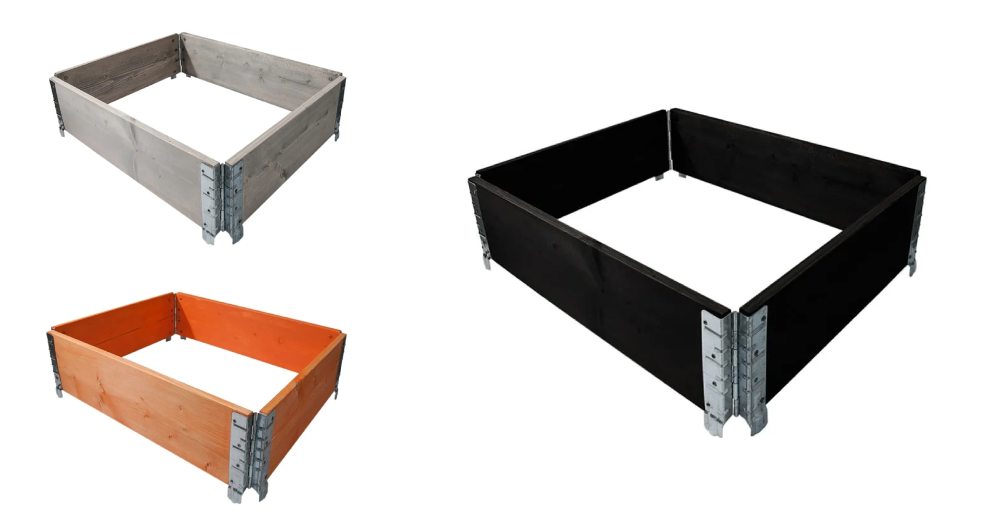
In the competitive landscape of the retail industry, supermarkets are constantly seeking innovative ways to optimize their storage and display strategies. One solution that has proven to be particularly effective is the use of pallet collars. 

These adaptable structures provide several benefits across different departments in supermarkets. And they don’t have to be just practical and functional, because their design can also be quite good looking.

In this article we will take a look at all the ways pallet collars can be used for various products and their numerous advantages.

The utility of pallet collars for dry goods

Dry goods form a significant part of the inventory in supermarkets. This section explores how pallet collars can be beneficial for their storage and display.

Pallet collars offer excellent protection and visibility for dry goods. They allow for effective stacking, thus maximizing shelf space. Besides, the height of the pallet collar can be adjusted according to the size and quantity of the goods. That way supermarkets can easily accommodate varying product dimensions.

For example, supermarkets often use pallet collars to stack bulk items such as cans, cereal boxes, and packaged snacks. 

This not only maximizes storage space but also makes it easier for customers to identify and pick up the products they want.

Pallet collars can manage perishable items

Perishable goods pose unique challenges due to their short shelf life and specific temperature requirements. Pallet collars can help manage these issues quite effectively.

The first way is that pallet collars provide a flexible and efficient solution for perishables such as fruits and vegetables. They allow air to circulate around the products, which helps keep them fresh for longer periods. With their adjustable heights, they can also accommodate bulkier items such as pumpkins or watermelons. Meaning they are great for all seasons.

An example of this versatility can be seen in the produce section, where pallet collars are used to create attractive and easily accessible displays. Not only do they help in maintaining the quality of the produce, but they also present it in an appealing manner that can boost sales.

Pallet Collars

The important role of pallet collars in the cold chain

Maintaining the cold chain is crucial in supermarkets to ensure the freshness and safety of certain products. Pallet collars are effective for maintaining the cold chain as they can be used in refrigeration units and cold storage facilities. 

Their adjustable nature ensures efficient use of space even in the limited confines of a refrigeration unit. They are commonly used to store and display dairy products, frozen goods, and meats.

Benefits of using pallet collars for storage and display

Beyond their versatility for different products, pallet collars offer several other benefits when used for storage and display purposes in supermarkets. 

First of all, these pallet collars enhance the efficiency of supermarkets by making the best use of available space. Their stackable nature enables supermarkets to store more products in the same amount of space. The Cost-Efficiency of Using Pallet Collars is also something to consider!

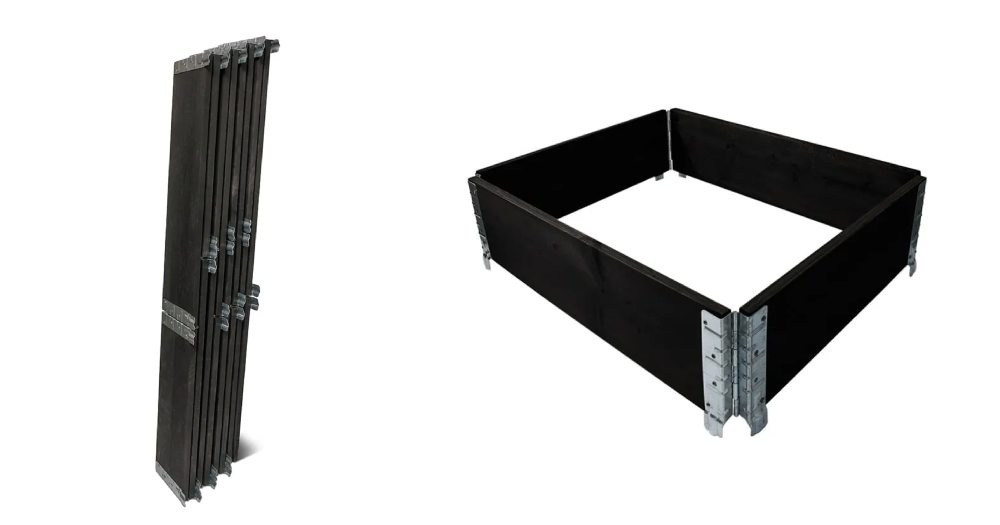
Then for display, the collapsible nature of pallet collars makes them easy to disassemble and rearrange, providing flexibility for promotional displays or seasonal changes.

And lastly, the use of pallet collars in supermarkets is a testament to their versatility and the various benefits they provide. Their adaptability to different product types, coupled with their efficiency in space usage, makes them an invaluable tool in the supermarket industry.

Supermarkets continue to innovate their practices. And so the role of pallet collars is set to become even more significant.

Pallet collars and efficient inventory management

Efficient inventory management is a cornerstone of successful supermarket operations.

Pallet collars offer a clear view of the products contained within. As a result, it makes it easier for staff to monitor stock levels and know when replenishment is necessary. The ease of access to products also simplifies the process of restocking. 

Furthermore, their adjustable heights can be tailored to match product quantities, thereby reducing the likelihood of overstocking or understocking.

A case in point is the management of popular goods like soft drinks or bottled water. Given their high turnover rate, supermarkets can utilize pallet collars to keep a close eye on inventory levels.

Pallet collars help in safe product handling

Safe product handling is paramount in supermarkets to prevent damages and ensure employee safety. Let’s delve into how pallet collars assist in achieving this objective.

So as we know, pallet collars can greatly enhance safety during product handling. Their sturdy design provides a stable base for goods. It reduces the risk of products toppling over during transport or display. Additionally, their rounded corners prevent accidental scrapes or injuries, making them safer to handle for supermarket staff.

For example, in the wine and spirits section, pallet collars can provide a secure display solution. That way reduces the risk of expensive bottles being accidentally knocked over or damaged.

Pallet collars enhance customer shopping experience

The customer shopping experience is significantly influenced by the layout and display of products in supermarkets. And surely pallet collars can contribute to an enhanced shopping experience.

Pallet collars allow for a neat, organized, and easily accessible display of products, making shopping easier and more enjoyable for customers. Their open-top design offers customers a clear view of the products. It allows them to quickly identify and pick the items they need. 

Furthermore, their adjustable height can be customized to a level that provides easy reach for most customers, thereby improving the overall shopping experience.

Consider the scenario of a promotional display using pallet collars. Products can be neatly organized and prominently displayed to attract customer attention, thereby boosting the visibility and sales of these products.

Pallet Collars for supermarkets

The future of pallet collars in supermarkets

As we’ve seen, pallet collars already play a significant role in modern supermarkets. But what does the future hold for these versatile tools? 

Well, the demand for pallet collars in supermarkets is likely to rise as they continue to prove their worth in terms of versatility, efficiency, and safety. 

We can also anticipate further innovations. For example, the integration of smart technology with these collars might be the next step. Imagine pallet collars equipped with IoT (Internet of Things) sensors, providing real-time data on inventory levels, location tracking, and even product conditions such as temperature and humidity. 

Such advancements could revolutionize supermarket operations. That makes them even more efficient and customer-friendly.

One example could be a pallet collar system designed to automatically adjust its height based on the amount of product it holds, ensuring optimal space usage at all times. Another possibility is smart pallet collars that notify staff when stocks run low, thus further improving inventory management.

In conclusion, the versatility of pallet collars is already proving instrumental in supermarkets’ efficiency and organization. However, as technology advances and the need for sustainable solutions grows, the potential for these humble tools is vast and exciting. Their future looks bright, promising a new era of innovation and efficiency in supermarket operations.

Make sure to check out our other articles about all kinds of product stands and crates for stores:

Thanks for reading our articles!

Maximizing Product Exposure with Promotional Sampling Booths

Promotional Sampling Booths

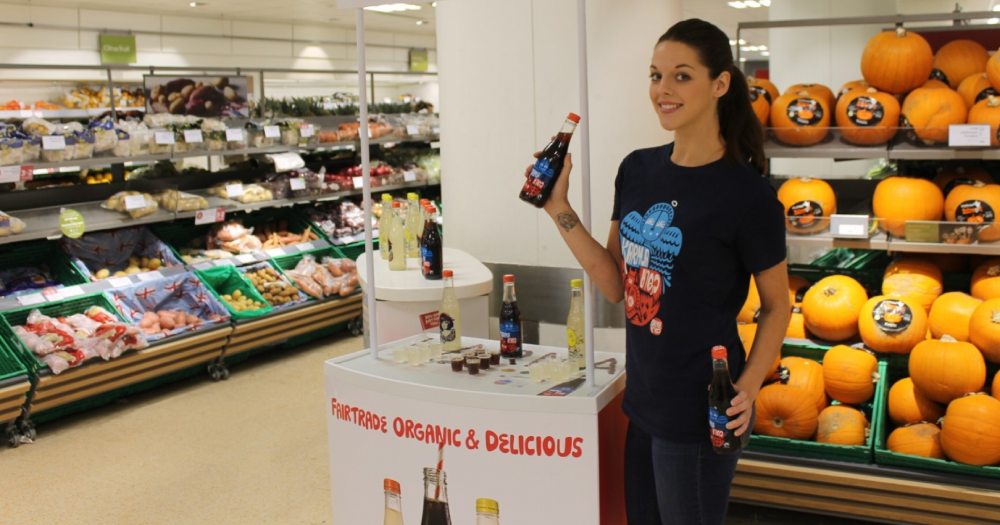
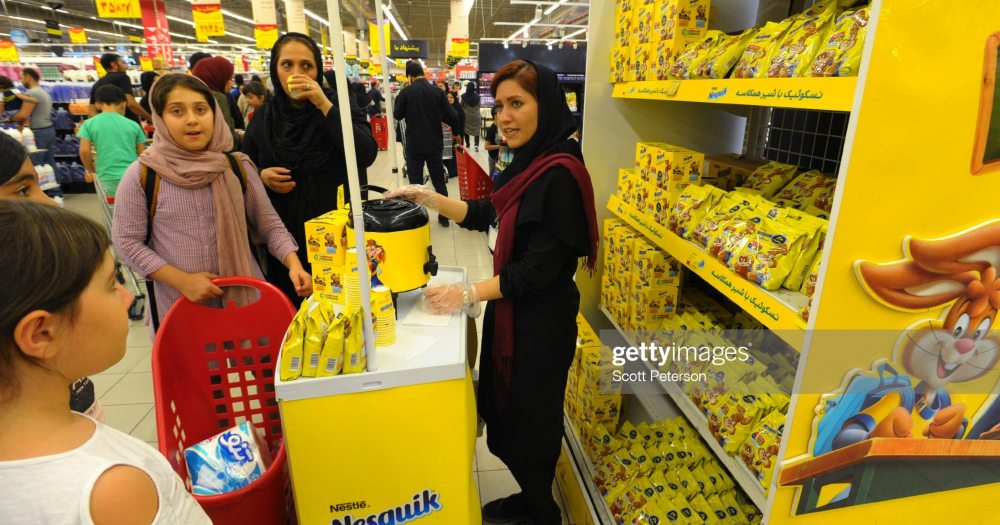
Promotional sampling booths are an excellent way to showcase your products. But it is important to stand out from others. If you will do it the right way, promotional booths can help you create brand awareness and connect with potential customers. 

However, the effectiveness of your promotional sampling booths hinges on its design and setup. So in this article, we will take a look into how to design engaging and effective promotional sampling booths for product sampling. 

We’ll cover the visual appeal of the booth, product display strategies, incorporation of brand elements, and practical considerations like space management and event guideline compliance.

1. Create a visually appealing booth

The first impression of your booth plays a significant role in attracting people. Especially if your booth is amongst others. Then standing out with a visually creative and appealing booth is especially important. 

To create a visually appealing booth that drives curiosity, take care of:

  1. Color – make sure to utilize your brand’s colors in your booth design to create an eye-catching and consistent look. For example, if your brand colors are blue and white, you might have a blue backdrop with your logo and white tables for product display.
  2. Lighting – good lighting can make your booth appear inviting and help highlight your products. Consider using spotlighting for featured products or soft, ambient lighting to create a warm, welcoming atmosphere.
  3. Signage – use clear, easy-to-read signage that communicates who you are and what you’re offering. A well-designed banner hanging above your booth can help attendees locate and remember you.

All in all, in a sea of booths, yours needs to stand out. It should draw people’s eyes and make them curious about what you’re offering.

2. Make sure to display your products effectively

The way you display your products can impact the ease of access and the testing experience for visitors. Product exposure is very crucial so make sure you master your skills on it. 

For effective product displays make sure to take care of accessibility. Ensure your products are easily accessible for attendees to sample or test. If possible, allow visitors to touch, feel, and use your product.

Use multi-level displays to make the most of your space and allow visitors to see products from different angles. Also make sure you’re highlighting key products. If you have a new or flagship product, position it prominently in your display and consider using signs or lighting to draw attention to it.

Your products should be the star of your booth. How they’re displayed can affect how readily attendees approach, interact with, and remember them.

3. Incorporate your brand elements

Incorporating your brand elements into your booth design can enhance brand recognition and recall.

To incorporate brand elements take care of:

  • Logo – ensure your logo is visible from various angles and distances. This might involve placing it on banners, backdrops, tables, and staff uniforms.
  • Branding message – if you have a tagline or a specific marketing message, display it prominently in your booth. This could be a printed sign or digital display.
  • Brand personality – reflect your brand’s personality in your booth’s design. If your brand is fun and youthful, you might use bright colors and playful decorations. If it’s sophisticated and luxury-oriented, you could opt for a sleek, minimalist design.

Your booth is not just a platform for product sampling; it’s a representation of your brand. The design and feel of your booth should reflect your brand’s personality and values.

4. Take care of practical considerations

While the aesthetic of your booth is important, don’t overlook the practical considerations. An effective booth design also takes into account the comfort of both staff and visitors, ensures the space is used efficiently, and complies with event guidelines.

Ensure there is enough space for staff to move around and for visitors to comfortably explore your products. This might involve using compact furniture, arranging displays strategically, and avoiding clutter.

If possible, choose a location with high foot traffic, such as near entrances, food areas, or along main walkways.

Also review the event’s rules and regulations for booths, including size limitations, allowed materials, and set-up or take-down procedures. Make sure your design conforms to these guidelines.

Promotional Sampling Booths

5. Try creating interactive experiences

Adding interactive elements can make your booth more engaging and memorable. In an era where experiential marketing is gaining significant traction, offering interactive experiences at your promotional booth can substantially enhance visitor engagement and dwell time. 

It can transform your booth from a mere point of information to an immersive, hands-on experience that resonates with attendees long after the event.

Here are some ideas!

Product demonstrations

Product demonstrations serve a dual purpose – they entertain and educate. By showing your product in action, you can attract a crowd, provide a clear understanding of how the product works, and highlight its benefits. 

For example, if you’re showcasing a new kitchen gadget, doing live cooking demonstrations using the gadget can be quite effective. Attendees can see the gadget’s practical use, taste the results, and ask questions about its features or operation. 

A well-executed product demonstration can be a powerful tool to persuade attendees of the value your product brings to their lives.

Digital interaction

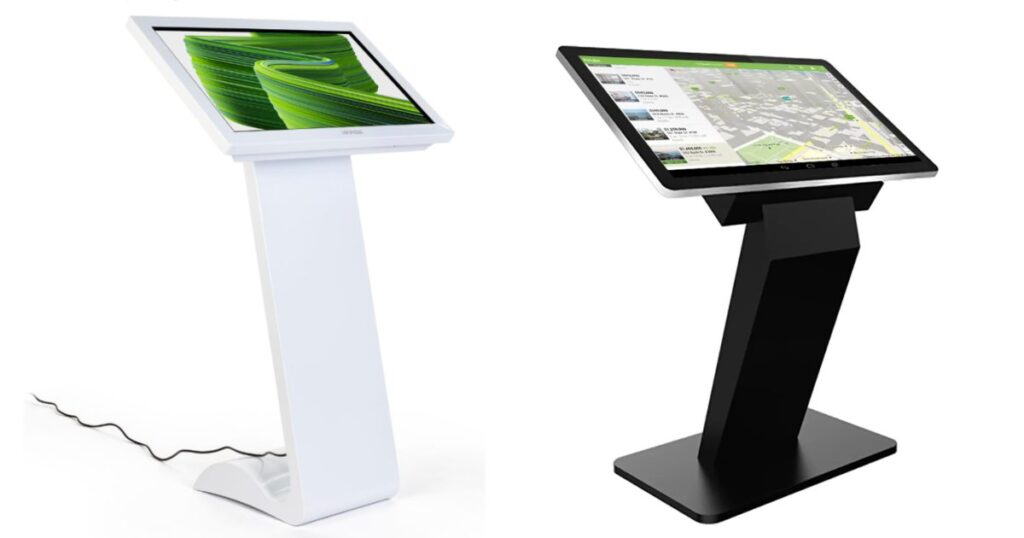
The integration of digital elements into your booth can elevate the visitor experience to a new level. Touch screens offering detailed product information allow visitors to explore your product’s features at their own pace, while tablets or kiosks could be set up for visitors to sign up for newsletters, participate in digital contests, or place orders directly.

Social media sharing stations where visitors can share branded photos or videos from your booth help extend your reach beyond the event’s physical boundaries. Consider creating a unique event hashtag for visitors to use when sharing, increasing your brand’s visibility online.

Augmented reality (AR) experiences can be particularly engaging. For instance, if your product is a home furnishing item, an AR app could allow visitors to visualize how it would look in their own homes. These digital experiences can provide attendees with a memorable, personalized interaction with your brand.

Games or contests

Games or contests can make your booth fun and inviting. They offer a break from the standard product pitch, stimulating interest and fostering a more relaxed and engaging atmosphere. The game or contest should be simple, quick, and related to your product or brand!

For example, if you’re promoting a new brand of tea, you could host a ‘guess the ingredient’ contest. Winners could receive small prizes like a sample pack of your teas. Such activities not only entertain but also help you gather attendee contact information for post-event follow-up.

Games also present opportunities for attendees to interact with each other, fostering a sense of community around your brand. Offering a leaderboard or announcing winners throughout the day can further promote engagement and excitement around your booth.

By offering these interactive experiences, you create opportunities for deeper connections between the attendees and your brand, making your promotional sampling booth not just a place to learn about a product, but a memorable part of their event experience.

Conclusion

In conclusion we can say that designing effective promotional sampling booths requires strategic thinking, creativity, and attention to detail. 

We hope this article was helpful to you! Remember that by creating a visually appealing design and addressing practical considerations, you can maximize your product’s exposure. 

Make sure to check out our other related articles:

Happy planning, and here’s to a successful event!

Boosting Impulse Purchases with Table Top Display Stands

Table Top Display Stands

Impulse buying is a powerful tool in the retailer’s arsenal. We have all fallen victim to those times when we made an impulse purchase that was more emotional rather than logical. Besides, often these purchases are stimulated by a visually appealing, strategically placed product that catches our eye. Good table top display stands can achieve that.

If you’re on the other side and you want to promote as many impulse purchases as you possibly can, then investing in some good table top display stands is a good marketing move. 

So in this article we will discuss how store owners like you can use table top display stands to boost impulse purchases. We’ll explore product choice, display arrangement, and psychology-based strategies that can make your store irresistible to shoppers.

Let’s get started!

What lies in the power of product choice

The first step in encouraging impulse purchases is selecting the right products for your table top display stands. We encourage you to choose some items that are attractive, reasonably priced, and complementary to your main product line.

Choosing what products to display is a critical decision. They will either capture the client’s attention or they won’t. So the selected items should be compelling enough to attract a shopper’s attention and motivate a spontaneous purchase.

Ideal products for impulse buys often have the following characteristics:

  • Low price – high-priced items typically require more thought and consideration. On the other hand, lower-priced items are easier for customers to justify on a whim.
  • Small size – the products should be small enough to fit on the table top display and also easy for customers to carry around the store.
  • Seasonally relevant – seasonal products can boost impulse buying as they evoke the current mood and festivities. For instance, around Valentine’s Day, a display of unique, hand-crafted chocolates might attract impulsive buyers.
  • Tied to primary purchase – display items that can complement a primary purchase. For example, if your store specializes in books, featuring bookmarks or reading lights on your table top display stand might tempt shoppers.

After you take these steps into consideration and put them to action, you might be surprised with the results. However, that is not it yet. Let’s talk about product arrangements.

Make sure you master your display arrangements

The arrangement of your display plays a crucial role in enhancing the attractiveness of your products and stimulating impulse purchases.

An effective arrangement is aesthetically pleasing, draws attention, and makes products easy to reach.

Here are some display arrangement techniques to consider:

  1. Use of height – stagger the heights of your products to draw the eye and create visual interest. For example, use risers or platforms to elevate some items.
  2. Color coordination – group products by color or theme. This can draw attention and make your display more visually appealing.
  3. Accessibility – ensure products are easy to reach and examine. Customers are more likely to purchase something they can touch and feel.

How you arrange your products can make a significant difference in sales so be sure to know your arrangements.

Table Top Display Stands

Understand and apply psychology-based strategies

Leveraging psychological strategies can further boost impulse buying behavior.

Consider the following psychological strategies:

  • Scarcity principle – the perception of scarcity can trigger customers to buy. You can create this perception by limiting the number of items on display and using signage like “While supplies last!”
  • Sense of urgency – creating a sense of urgency can also prompt customers to buy on the spot. Limited-time offers or countdown timers can stimulate immediate purchases.
  • Social proof – people tend to do what others are doing. Highlighting best-sellers or using signage like “Everyone’s favorite” can make customers more likely to buy.

Understanding the psychological triggers that lead to impulse purchases can help you optimize your display stands for maximum effect.

Location, location, location

Finally, the placement of your table top display stands in your store significantly impacts their effectiveness in driving impulse purchases.

Effective product placement for your table top displays is as important as choosing the right product. High-traffic areas where customers tend to pause or slow down are ideal.

Here are key areas to consider placing your table top display stands:

  1. Point of Sale – the checkout area is one of the best places to stimulate impulse buys. While customers wait in line to pay, they can be enticed by small, inexpensive items displayed nearby.
  2. Store entrance – placing a display stand near the entrance can grab a customer’s attention as they walk in, setting the tone for their shopping experience.
  3. High traffic areas – any area in your store where customers tend to pause, such as near fitting rooms or escalators, is a good spot for a display stand.
  4. Next to complementary products – placing items that pair well together encourages customers to buy more. For example, displaying stylish sunglasses next to summer dresses can lead to additional purchases.

Boosting impulse purchases through strategic use of table top display stands requires careful planning and execution. But if you take into consideration our tips from this article, you might be surprised by your success!

In conclusion 

By selecting the right products and placing your stands strategically, you can create a compelling shopping environment that encourages customers to buy more. The resulting increase in sales can contribute significantly to your store’s success.

Remember, each boutique is unique, and what works well for one might not work as well for another. It’s important to test different strategies, see what works best for your store and customer base, and continually refine your approach based on your findings. 

Make sure you also check out our articles on other types of display stands:

Happy selling!

Storytelling in Copywriting – Connecting Emotionally with Your Audience

Storytelling in Copywriting

Storytelling has always been a powerful means of communication. Stories are far more than just information because of their capability to inspire. Storytelling is  capable of stirring deep emotions and compelling actions. However storytelling can also be a part of marketing, and a strong one. This is where storytelling in copywriting comes into the picture.

In the world of marketing and copywriting, storytelling is an artful tool that can deeply connect with audiences. After it’s done correctly, it can significantly elevate brand perception. 

Therefore in this article we will discuss storytelling in copywriting, its ability to build emotional connections, and the creation of compelling brand stories.

The power of storytelling in copywriting

Before diving into how storytelling is integrated into copywriting, it’s crucial to understand its significance at all. From our point of view, storytelling in copywriting is a lot more than just crafting a narrative. It’s mainly about presenting your brand in a relatable and also engaging manner.

For example, we all know that stories can provoke emotions, making them memorable and persuasive. They can take an audience on a journey and bring them closer to a brand by making them feel as if they are part of the story.

For example, Apple doesn’t just sell computers and phones. It sells the idea of thinking differently, not even mentioning the elegant design. This concept is evident in their “Think Different” campaign that shares stories of renowned visionaries and rebels who have changed the world.

So to sum up this chapter, it is clear that it’s not just about selling a product or service. It’s about communicating a brand’s values, mission, and why it exists in the first place. 

What are some of the main elements of a compelling brand story

A compelling brand story is more than a chronological account of company events. It’s about sharing your passion, illustrating your unique selling points, and portraying your brand’s journey in a way that resonates with your audience’s values.

Some of the key elements of a compelling brand story are:

  • Authenticity – the story should be genuine and reflect the core values of your brand. 
  • Relatability – it should speak to the audience’s experiences, aspirations, and challenges. 
  • Consistency – you should maintain a consistent voice, tone, and style across all communication channels as it helps to solidify your brand image.
  • Engagement – a compelling brand story should not be a monologue but an invitation for the audience to become a part of your brand’s journey. 

Make sure to invite engagement through open-ended narratives, queries, or calls to action.

Storytelling should always avoid sounding simply like a sales pitch. We always recommend instead focusing on connecting with the audience on an emotional level. Know that a story that resonates with the audience can foster a deeper connection between them and your brand.

Storytelling in Copywriting

Integrating storytelling into marketing copy

Integrating storytelling into your marketing copy isn’t about writing a novel. It is a lot more about using narrative techniques to engage your audience and illustrate your brand’s value.

To successfully integrate storytelling into your marketing copy, first identify your audience’s persona. That means to understand their needs, wants, pain points, and aspirations. This knowledge will allow you to create a story that resonates with them.

Then make sure to carefully craft your narrative. Make sure you begin by setting up the context, introduce a challenge or conflict, and then resolve it. Your product or service should be the ‘hero’ that resolves this conflict.

And lastly – show, don’t tell. Rather than stating the benefits of your product or service, illustrate them through a narrative. For example, instead of saying “our software saves you time,” you might share a story of a busy entrepreneur who regained control of their schedule thanks to your product. 

It is all about a meaningful connection when it comes to good storytelling

Tips for creating authentic stories

And now let’s see some valuable tips on how you can realistically create some good, authentic stories. To ensure your brand story strikes a chord with your audience, you must keep their values, aspirations, and pain points in mind.

To do that, show your audience that you understand their experiences and also empathise with their struggles. Personalising your story makes it easier for your audience to connect with your brand.

Here are our main takeaways on how to achieve this:

  • Keep it simple and relatable – complex narratives can confuse your audience and make your message harder to understand. A simple, straightforward story can often make a stronger impression.
  • Leverage emotion – emotion drives action. Whether it’s happiness, sadness, surprise, or fear, tapping into your audience’s emotions can make your story more engaging and memorable.
  • Incorporate social proof – incorporating real stories from satisfied customers can help build trust and credibility. These testimonials provide tangible proof of your product’s benefits. It makes your brand more appealing to potential customers.

Storytelling goes beyond just text. Visuals, audio, and interactive elements can all contribute to the narrative and make it more engaging. Images, videos, infographics, podcasts, and interactive quizzes are all powerful tools for storytelling. 

As we mentioned in one of our previous articles, Podcasting for Business Growth is a great idea. It shows an example of how storytelling can be created in audio and/or video formats. 

A short video can illustrate the impact of your product more vividly than text alone. Similarly, an infographic can simplify complex information and make it more digestible.

podcasting as a business improvement

John Osborne as an example on great storytelling

We want to showcase an example that has inspired us when it comes to storytelling. Our hero of this article topic is a British writer, John Osborne. He writes books, radio plays, and scripts. The Sky 1 comedy After Hours was co-created by him. He attended the University of East Anglia and now resides in Norwich, England.

Mainly he is known for his poetry books that he has written. To us it seems very important to seek inspiration from truly great storytellers. John Osborne has been described as outstanding, humorous, perceptive, and humble. 

Osborne has had poetry published in The Guardian, Rialto and The Big Issue. His poems have also been broadcast on Radio 1, Radio 3, Radio 4,  Soho Radio, XFM, and BBC6 Music. 

This only shows just how far great storytelling can get you. Osborne regularly appears at venues across the country performing poetry. Since 2006 he has performed at the Glastonbury and Latitude festivals, as well as venues such as The Roundhouse, Norwich Arts Centre and Underbelly. Just think what this kind of storytelling skills could do for your business!

Conclusion on authentic storytelling

In conclusion we can summarise that storytelling in copywriting can significantly amplify your brand’s appeal and resonance. By crafting authentic, relatable narratives that speak to your audience’s values, you can really connect with them on a deep, emotional level. 

Make sure to check out more of our articles that could help your business such as:

We encourage you to remember, you’re not just selling a product or service. You’re sharing a story. And everyone loves a good story.

The Art of Visual Merchandising Using Retail Shelving

Visual Merchandising

In the retail world, visual appeal is a powerful sales driver. That is something that works both noticeably as well as subconsciously. The art of visual merchandising is akin to storytelling – it creates a narrative that not only showcases your products but also communicates your brand’s identity. 

And retail shelving is an essential component of this narrative. It essentially allows your  products to be displayed attractively and creatively. 

So in this article, we will delve into the artistic side of retail shelving and see how it can be used to enhance visual merchandising. That of course is useful mainly for attracting customers and encouraging purchases.

It is important to create colour-coordinated displays

Balance is a key principle in visual art, and it applies just as importantly to retail shelving. You don’t want to create a display of products that is too chaotic when it comes to colours or arrangements. 

A balanced display is one that is pleasing to the eye and can make product selection easier for customers. And to achieve this balance, you might want to consider the size, shape, and placement of the products. 

We always suggest trying to mix larger items with smaller ones and avoid clustering too many similar items together.

Incorporating colour coordination in your retail shelving can significantly enhance visual appeal. Colour can evoke emotions and impact buying decisions. So consider arranging products by their packaging colour or using shelf liners or signage in colours that complement the products. 

For instance, a display of organic products might use green shelf liners or signage to convey a natural, eco-friendly vibe. That will be both effective and beautiful to look at.

Visual Merchandising

Incorporating signage into your retail displays

Signage is a vital element in visual merchandising that goes beyond conveying information. It can also contribute to the visual appeal of retail shelving. So don’t be afraid to add some signage to your retail shelving. But still remember to take into consideration the previously mentioned tip about colour coordination and such.

Creative and eye-catching signage can draw attention to specific products or deals. And what’s even better, it can also guide customers around the store, and enhance the overall aesthetic of the display.

You can see our article about Visual Merchandising Techniques with Vendor Display Stands for additional tips. 

When incorporating signage, remember to always consider the design, colour, font, and placement. Signage should be consistent with your brand identity and the display’s overall look and feel. Also, it should be placed where it’s easily visible and complements the products rather than obscuring them.

Creating themed sections is always a good move

Themed sections can make shopping a more engaging and exciting experience. By creating themed sections you will make sure that your customers can find everything they need that much easier.

The products your customers need then can be found based on various concepts, such as seasonal items, product categories, colour themes, or even storytelling themes like ‘A Summer Picnic’ or ‘Healthy Living.’

Besides, themed sections can not only help customers find related items quickly but also inspire them to make additional purchases. They also provide an opportunity to showcase your creativity. 

For example, a ‘Back to School’ section could feature not only school supplies but also lunchbox snacks, children’s clothing, and educational books. And all arranged in a visually engaging way.

Lighting creates an illuminated shopping experience

Never underestimate the power of good lighting in visual merchandising. Just like a spotlight in a gallery showcasing a piece of art, strategic lighting can highlight your products. It can  create depth, and bring warmth to your retail space. 

We suggest you use a mix of ambient, task, and accent lighting to create an inviting atmosphere and make your products shine.

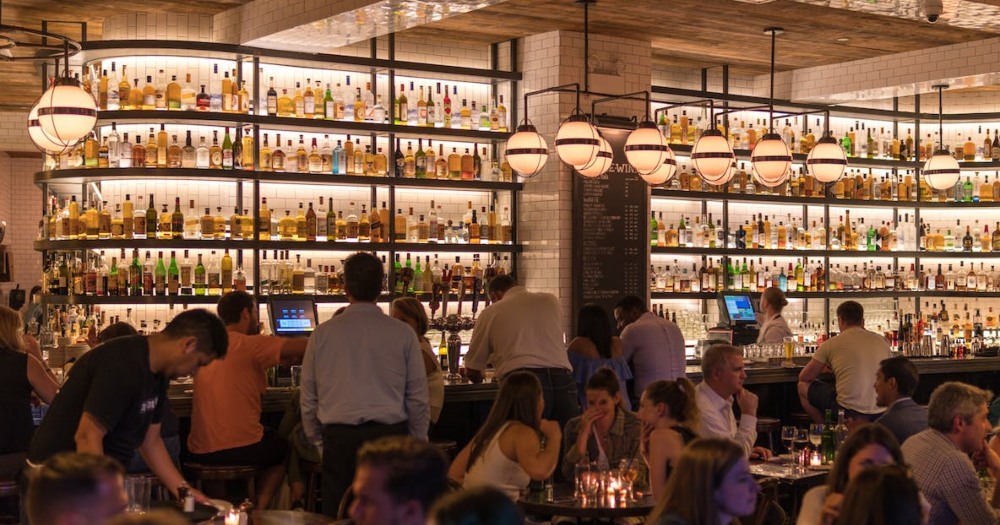
But you can of course also use dim lighting if that is your brand’s style. In the photo below you can see how darker light can also be equally effective if that is the style you’re going for.

Visual Merchandising lighting

Conclusion on visual merchandising

In conclusion we can summarise that visual merchandising using retail shelving is an art form that combines creativity and strategic thinking. Creating balanced and colour-coordinated displays are just a few of the ways you can transform your retail shelves into an attractive showcase for your products. 

Add in the right lighting, and your store can offer a visually engaging shopping experience that captivates customers and encourages sales. 

And that is what we wish for you – great customers and a lot of sales!

Make sure to check out our other related articles such as Enhancing Customer Experience with Interactive Kiosks in Banking

Podcasting for Business Growth

Podcasting for business growth

A podcast is an episodic collection of audio recordings that include music, interviews, or various other sounds. Podcasts have been popular for a while at this point. And they are growing more and more popular each day therefore it might be smart to create one yourself. Podcasts are great for entertainment and learning, but did you know that podcasting for business growth is a smart move too? 

Podcasts are a fantastic method to give your customers content while also increasing traffic to your website. They are an excellent way to engage with potential clients and interest them about your company.

In this article we will explore the topic of podcasting for business growth – how to get started and how it benefits your company in the long run.

How to get started

A content developer records an audio file (or several files) and uploads them to the Internet so that anybody can download and listen to them. This process is known as podcasting.

The terms “iPod” and “broadcast” are combined to form the word “podcast”. The term “podcast” gained popularity since it was one of the first methods that people could readily listen to digital audio files on their portable music players, even though you can listen to podcasts on a variety of devices.

You only need a computer with an internet connection and some basic audio recording gear to start a podcast. After you’ve finished recording your audio, you have to upload it to a hosting service (more on that in a second). Anyone with an internet connection can find and download your podcast once it is live online. Sounds simple enough, right?

Some of the most popular platforms to use for publishing your podcasts are Apple Podcasts, Spotify, or Stitcher. They enable new episodes to be downloaded to your device immediately upon release. Additionally, you can access podcasts straight from websites like SoundCloud and YouTube.

Podcasting for business growth

Reasons why your business needs a podcast

Although they have been around for a while, podcasts have gained huge popularity and become a powerful tool for business communication, especially in recent years. As more individuals use them to get information while on the go, they are constantly growing in popularity.

Asking your listeners questions and collecting their thoughts on various subjects can allow you to gain feedback from them. 

The use of podcasts in marketing is a great idea for companies of all sizes. It can be applied for brand exposure, customer acquisition, or even lead generating. For any business that wishes to produce high-quality content in a more individualized way, it is the ideal marketing technique.

To attract new customers from all over the world

Most business owners must be skilled at consulting with clients one on one. The issue is that developing relationships takes time, making it impossible to do hundreds of consultations and client contacts each week.

Brands may reach a large audience through podcasting with little effort. Those that connect with the podcast’s host, offerings, or message can approach businesses in their own time and with all the necessary preparation.

In addition, you establish yourself as the authority by imparting your knowledge. You appear valuable and helpful to the listener, which further strengthens your credibility. You gain trust as your relationship with the listener develops.

Conversion rates increase when customers perceive you as a knowledgeable friend rather than a mysterious, ethereal voice.

To attract customers to your niche industry

Unlike other forms of communication, podcasting is incredibly effective in focusing on a specific audience’s individual interests and preferences. Thousands of podcasters have recently boosted the amount of content they produce, but niche podcasts are one important avenue for expansion. A niche is a topic with a very specialized target in mind.

Take, for instance, a logo design company that specializes in graphic design. It would be considered a specialized area if they created a podcast about expertly delving into logo design. Speaking on a certain topic attracts your ideal target market—those who require a logo or desire to improve their creative skills.

It’s important to keep in mind that 1,000 engaged listeners are far more important than 1,000,000 inactive ones that don’t share your show or purchase anything.

To increase website traffic

Content is king, and podcasting can boost website traffic and content. Businesses who want to get traction and expand their audience are aware that the greatest approach to drive traffic is by producing a ton of new content. Podcasting fits in with that objective well.

An excellent way to increase organic traffic to your website is by hosting a podcast there. Additionally, having a variety of content types, like a podcast, will greatly increase your internet reach as prospective consumers and clients look for information about your field online.

To make networking and more marketing opportunities possible 

It’s perfect to use podcasting to grow your network of expert touchpoints, especially if you opt to speak with influential business people. As we all know, networking and establishing relationships are essential for business development.

You may provide listeners a more rewarding experience by inviting reputable guests onto your show. Industry experts, business associates, prospective and active partners, clients, and customers might be guests.

Podcasting for business growth

How to make money with podcasting

While growing your business, you can also eventually grow your income with the help of your podcast. There are a few ways how podcast creators make money, so here are some of them.

Keep in mind that before starting to make money from the podcast, you will need a valid listener base to start off with. 

Advertising and sponsors

Firstly, advertising is the most common monetization method for podcasts. Podcasters can include advertisements in their episodes, either as pre-roll (at the beginning), mid-roll (in the middle), or post-roll (at the end) spots. Advertisers pay for these slots, and the podcast host or network earns revenue based on the number of listeners and the advertising rates.

Another way to make money is through sponsorships. Podcasts often have sponsors who provide financial support in exchange for promotion during episodes or mentions by the host. These sponsorships can take the form of ad-reads, where the host personally endorses the product or service. Or they may involve product placements or affiliate partnerships.

Crowdfunding and subscriptions

Some podcasters rely on crowdfunding platforms such as Patreon, Kickstarter, or similar services to receive financial support directly from their audience. Listeners can contribute a monthly or one-time payment to support the podcast’s production and receive additional perks or exclusive content in return.

Creating regular subscriptions is another way. However this will only sound like an appealing deal for those who consider themselves a fan of your podcast. Meaning it would be smart to start your podcast as a free content and then later on build up to monetization. 

Creating and selling merchandise

Many podcasters create merchandise related to their shows, such as t-shirts, mugs, or other branded items. They sell these products to their audience, often through their website or online stores. That way listeners have a chance to support your podcast as well as get something cool for themselves.

Additionally, podcasters may collaborate with brands to create co-branded merchandise and share in the revenue generated. Which is a win-win type of situation. 

It’s worth noting that not all podcasts monetize in the same way, and some podcasters may use a combination of these methods to generate revenue. The specific approach depends on the podcast’s size, niche, target audience, and the goals of the podcast host or network.

We hope you enjoyed this article about podcasting for business growth. An idea can truly go a long way, and improve your business sales!

More about marketing related information see our articles Effective product placement for increased visibility and How To Create Quality Video Content.

Thanks for reading our articles!

Touch Screen Kiosk for a Car Showroom

Purchasing a touch screen kiosk

In today’s digital age, technology has affected various industries, including car sales. In car dealerships, it is important to think about getting customers involved as much as possible. One way to achieve this is through purchasing a touch screen kiosk. But how much does it cost to purchase an info display for a car showroom?

Car dealers are constantly looking for new ways to engage potential buyers and provide an interactive shopping experience. One powerful tool that has emerged in recent years is the touchscreen display, also known as a kiosk. And as it turns out, its prices are not so unaffordable.

In this article, we will find out how purchasing a touch screen kiosk is a good move with its many advantages for car showrooms.

A display can improve the shopping process at a car dealership

Display stands are very popular these days. They can be used in a variety of ways, such as displaying advertisements on them or allowing customers to interact with them.

Here’s a roundup of some of the most popular ways displays can improve the overall shopping experience at a car dealership.

Interactivity

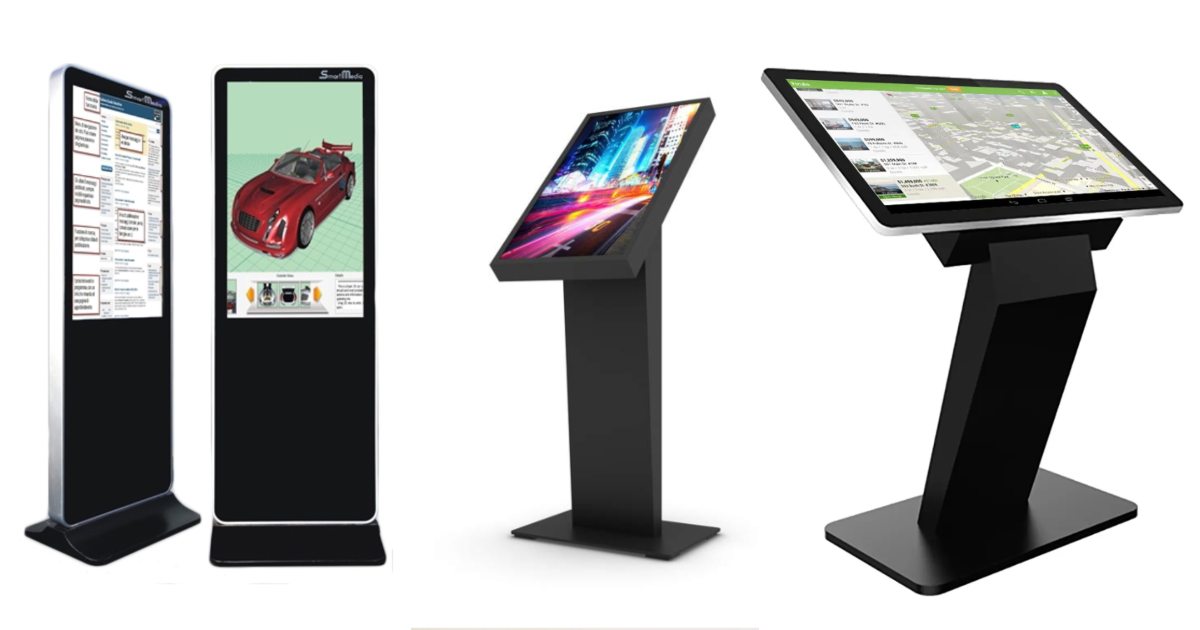
Touch screen displays offer an exciting and interactive experience for showroom visitors. They allow potential buyers to easily explore different car models, their configurations and features.

With just a touch of the screen, customers can access detailed information, view high-resolution images, watch videos and even compare multiple cars side-by-side. This interactive approach improves customer engagement and helps them make informed purchasing decisions.

Personalized content

Car interiors can use touchscreen displays with personalized content. They provide a great opportunity to display personalized content that can be customized according to different preferences. This flexibility allows dealers to highlight specific car models or highlight unique offerings such as enhanced safety features or fuel efficiency.

You can view things like car color and variations in other colors, different machine raw materials for painting, etc.

By providing comprehensive and up-to-date information, touchscreen displays increase the confidence of potential buyers by offering a wide range of information.

Purchasing a touch screen kiosk

The touch-sensitive kiosk also promotes sales

Touchscreen displays offer high-resolution visuals. They allow potential buyers to study cars in detail, and as a result learn all the most important information about them. Customers can zoom in on interior elements, explore different color options, etc.

Touch screen displays also allow dealers to showcase related products and accessories. By highlighting compatible add-ons, such as navigation systems, entertainment packages or safety upgrades, car dealers can encourage customers to consider additional purchases.

This not only increases revenue, but also improves the overall customer experience.

What prices should you expect?

There are a number of cost factors to consider when implementing touchscreen displays in a car interior.

These may include:

  • Hardware Cost: Touchscreen displays vary in price based on size, resolution, and functionality. It is important to properly assess your dealer’s specific requirements and budget.
  • Software Development: Customizing the user interface, integrating the required applications, and ensuring a smooth user experience can require software development costs.
  • Maintenance and support: Regular maintenance, software updates and technical support should be factored into the overall cost to ensure optimal performance of touchscreen displays.

We recommend that you inquire about real prices on the Touch screen kiosk page. There various types of info display are offered. It is often possible to find out the prices by placing an order and inquiring about them directly from the manufacturers.

Installing touch screen displays in car showrooms brings many benefits to both dealers and customers. The interactive nature of these displays enhances the car buying experience and, just as importantly, drives sales.

Now you know how much it costs to buy an info display for a car showroom. We hope this article was helpful!

To learn more about where to put your newly bought display, read our article about Effective product placement for increased visibility in stores.

While there are costs associated with implementing touchscreen displays, the long-term benefits justify the investment.

Best Examples of Personalized Wooden Crates

personalized wooden crates

Personalized wooden crates have become increasingly popular in recent years as a particularly versatile storage solution. In addition, they can also look very stylish, so such  can be used both for storing goods in stores and also for storing personal items in the home. It also highlights the practical use of wooden crates in various situations.

To give the room not only an organized look, but also individuality and charm, you can choose personalized wooden crates. This way, you can give them a relaxed look and highlight what is stored in the crates or your shop.

In this article, we will look at what personalized wooden crates are and the most common examples of them. Let’s take a look at how personalized wooden crates from the ColorWoodLatvia brand can showcase both creativity and convenient functionality at the same time.

personalized wooden crates

Wooden crates with custom lettering

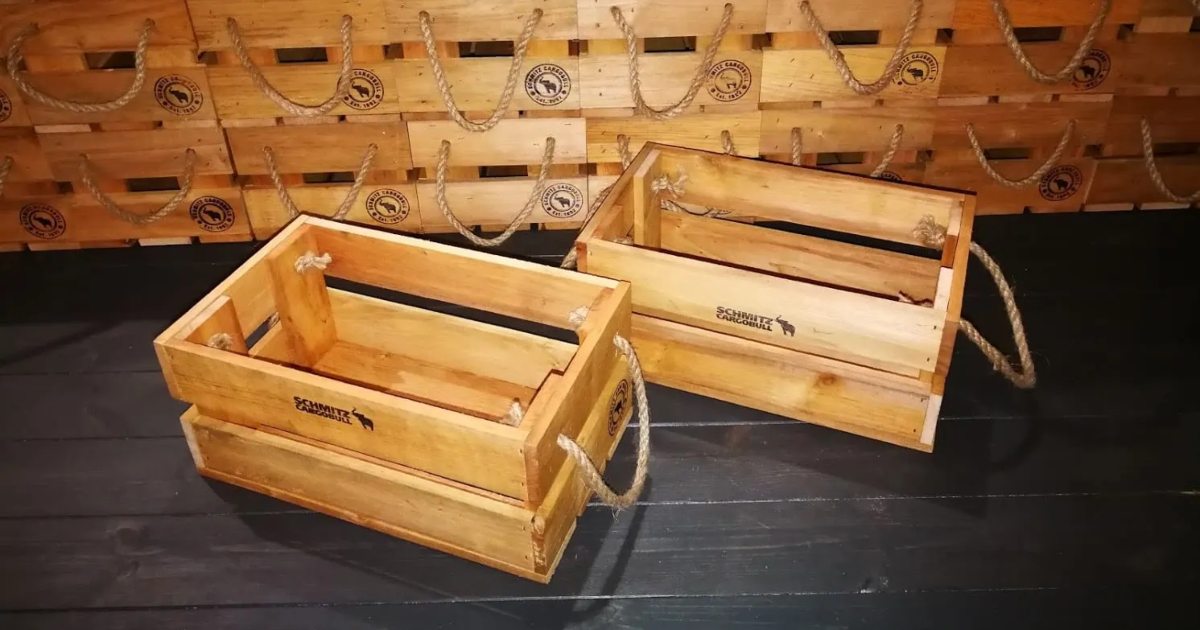
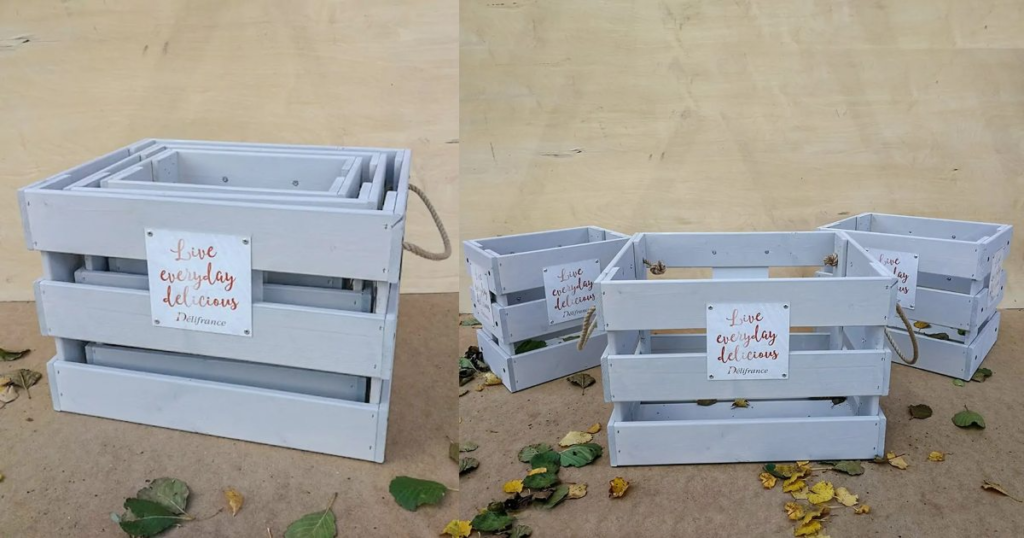
One of the most common ways to personalize wooden crates is to add stylish inscriptions to them. These crates can be decorated with words, sayings, interesting quotes or even company slogans.

This, of course, depends on whether you need wooden crates for personal storage or within the company. The possibilities are endless, as everyone can adapt the wooden crates to their needs and creative ideas.

For example, a crate with personalized letters can be a delightful addition to the nursery, serving as a stylish and functional solution for storing baby essentials. Similarly, crates with a personalized design can add a personal touch to any room, serving as both storage and decorative elements.

personalized wooden crates logos

Personalized wooden crates with photos or logos

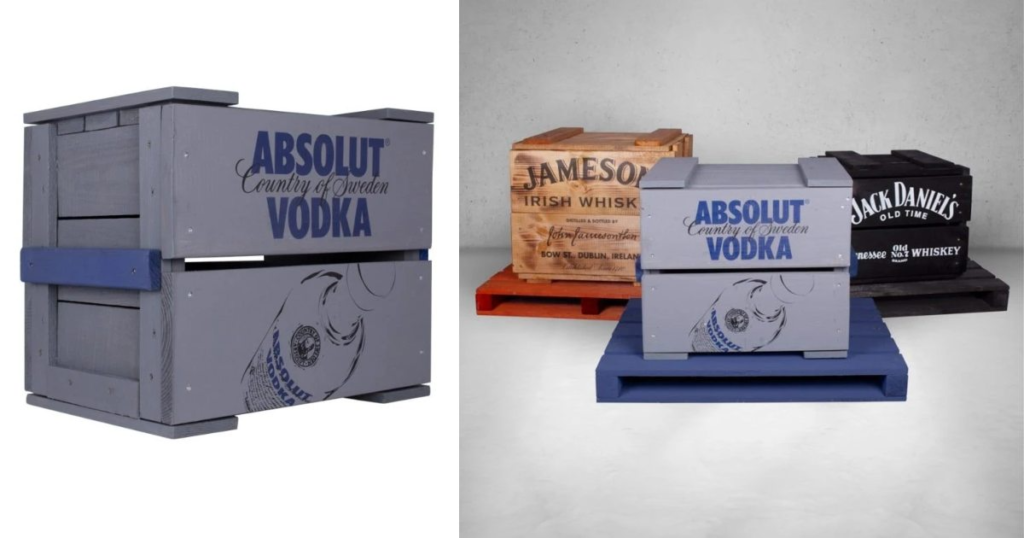
Another popular option is to print personalized wooden crates with company logos or other images. Such crates will serve as a good way to promote business. Printing is one of the most popular marketing techniques because it works and is relatively cheap.

The techniques are, of course, different. For example, a family photo on a wooden crate can create a nostalgic atmosphere while providing storage for keepsakes.

Companies, on the other hand, can use crates with their logos to store and display products while promoting brand awareness. The combination of the natural beauty of wood with personalized images creates a visually appealing and efficient storage solution.

wooden crate display stand

Crates with custom shelving and storage options

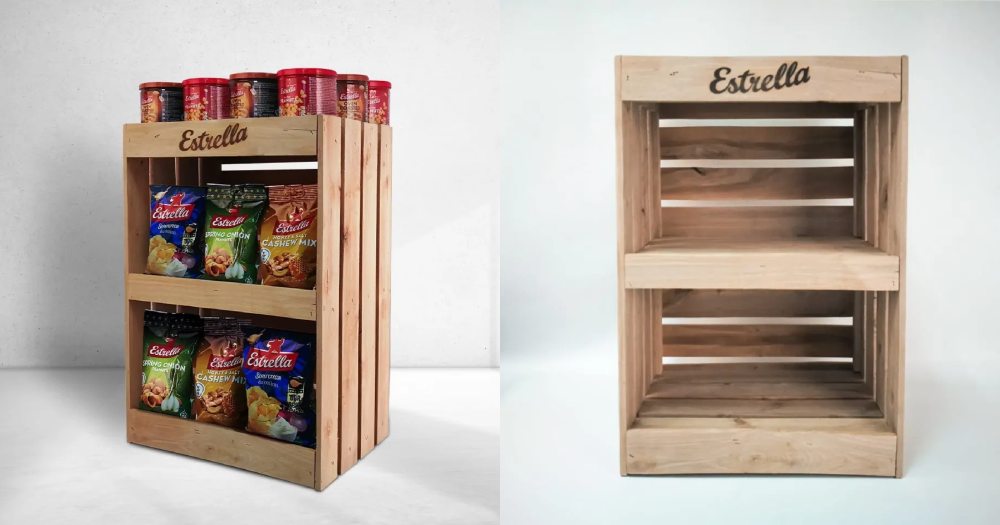
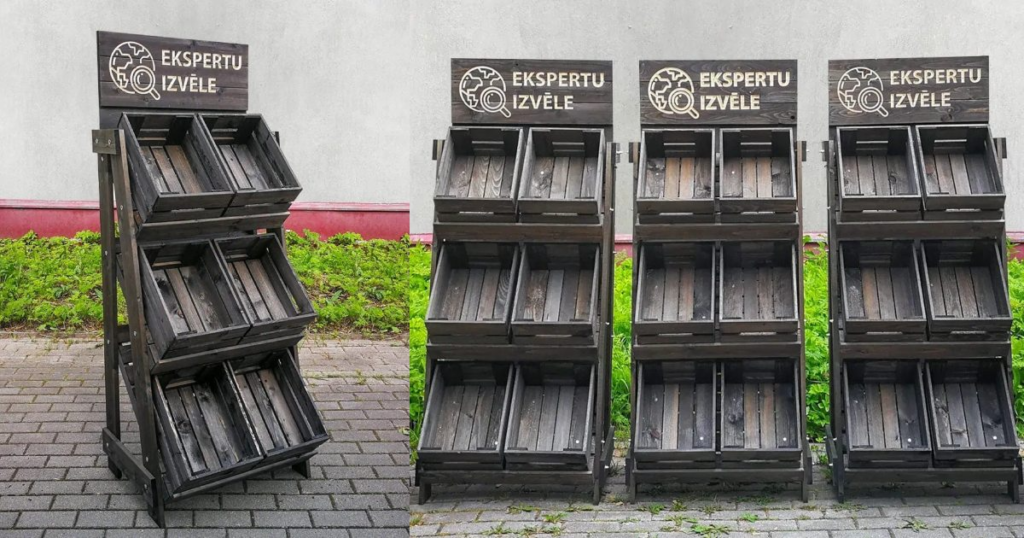
And even personalized wooden crates can be adapted to specific storage needs, such as in stores. Wooden crates can be used to make good product storage and display stands, as shown in the image above.

By combining the crates into one stand and creating such personalized shelves, a new storage solution is created. Such wooden crates provide practicality while maintaining the appeal of simplicity.

army-style wooden crates

Storage option for various marketing solutions

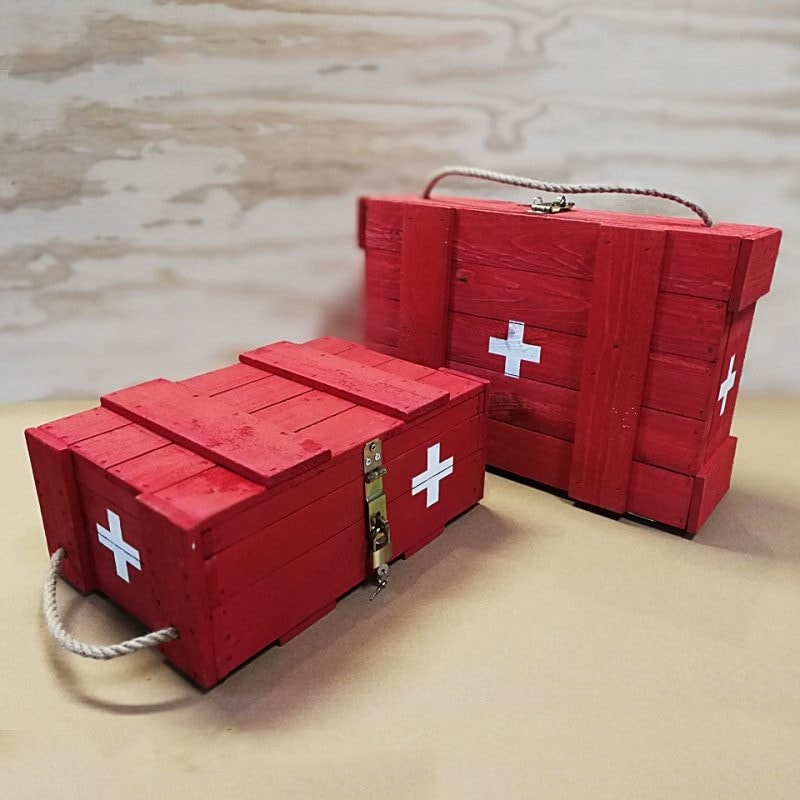
Army-style wooden crates are a specially designed storage solution for a variety of marketing or product display needs. These crates offer a combination of durability and style. They are made to order and are suitable for a wide range of applications, such as storage or advertising of souvenirs or other items.

ColorWoodLatvia emphasizes custom production, allowing personalized designs that fit specific requirements. These wooden crates are not only practical for storage but also serve as decorative pieces that add a touch of rugged charm to any setting​

Personalized wooden crates

You can, of course, go even further and personalize each crate with internal compartments. The ability to customize the internal structure of the crates adds even more functionality. It ensures that they are suitable for different preferences.

All in all, if you’re looking for a versatile and visually appealing way to display or store items, personalized wooden crates are definitely a great choice.

Please check out other our articles about display stands: