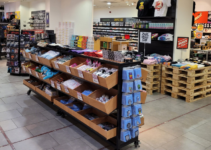
In the world of retail, how products are displayed can significantly influence customer behavior and sales. At MarketingFIXT, we explore innovative strategies to maximize the effectiveness of marketing fixtures, including display stands and product racks.
One powerful technique to consider is the use of movable displays. By strategically placing and repositioning these displays, retailers can effectively guide customer flow, enhance the shopping experience, and ultimately drive sales.
In this article, we will explore practical tips for utilizing pallet dollies to manage display placement and movement.
Understanding customer flow
Customer flow refers to how shoppers navigate through a store. A well-planned customer journey can lead to increased engagement and higher sales. Movable displays offer retailers the flexibility to adjust their layout based on customer behavior, seasonal promotions, or even inventory levels.
Analyzing customer flow involves observing how shoppers move through your store, identifying high-traffic areas, and understanding where bottlenecks occur. Retailers can use tools like foot traffic analysis and heat mapping to gather data. Here are some questions to consider:
- Where do customers tend to congregate?
- Are there areas that customers avoid?
- How long do customers spend in specific sections?
By assessing these factors, retailers can make informed decisions about display placements.

Strategic placement of movable displays
The placement of displays plays a critical role in directing customer flow. Properly positioned displays can attract attention and encourage shoppers to explore different areas of the store.
When determining where to place movable displays, consider the following tips:
- Create sightlines: Place displays where they are easily visible from key vantage points, such as entrances and checkout areas. This ensures that customers see promotions as soon as they enter. For example, a seasonal display of holiday items near the entrance can draw customers in immediately.
- Use high-traffic areas: Position displays in high-traffic areas to capture the attention of passing customers. For instance, displays near the checkout line can encourage last-minute purchases.
- Facilitate flow: Arrange displays to create a natural flow through the store. Avoid placing them in ways that block aisles or create congestion.
- Dynamic layouts: Use movable displays to change the store layout periodically. This keeps the shopping experience fresh and encourages repeat visits.
- Complementary product placement: Position related products together to promote cross-selling opportunities. For example, placing chips near salsa or crackers near cheese can prompt customers to buy complementary items.
Utilizing pallet dollies for display movement
Pallet dollies provide a practical solution for moving displays throughout the store. Their ease of use can help retailers quickly adapt to changing customer needs and inventory levels.
Here are some effective ways to use pallet dollies for display movement:
- Quick reconfiguration: Use pallet dollies to rearrange displays quickly in response to sales data or customer feedback. For example, if a particular product is selling well, you can move its display closer to high-traffic areas.
- Seasonal adjustments: Easily swap out displays for seasonal promotions. A dolly makes it simple to roll out a new display for back-to-school items or holiday-themed products.
- Event-specific setups: For special events or promotions, use pallet dollies to create temporary displays. This flexibility allows you to tailor the shopping experience without significant time or labor costs.
- Staff training: Train staff on how to effectively use pallet dollies to ensure quick and safe movement of displays. This can improve efficiency during busy periods.
Enhancing engagement with interactive displays
Interactive displays not only attract attention but also engage customers, encouraging them to spend more time in your store.
Consider incorporating elements that allow customers to interact with the displays:
- Touchscreen interfaces: Provide product information, reviews, or tutorials directly on the display.
- Sampling stations: Create areas where customers can try out products, increasing the likelihood of purchase.
Example for this can be – a cosmetics store might have a movable display with samples that customers can test, drawing them into the area and prompting sales. Additionally, consider integrating social media elements, such as hashtags or photo ops, to encourage customers to share their experiences online.
Analyzing display effectiveness
After implementing movable displays, it’s essential to measure their impact on customer flow and sales.
Use these strategies to analyze display effectiveness:
- Sales tracking: Monitor sales data before and after display changes to assess their impact.
- Customer feedback: Solicit feedback from customers about their shopping experience and the visibility of displays.
- Foot traffic analysis: Use technology to track changes in customer movement patterns related to display placement.
- A/B testing: Experiment with different display setups to see which configuration yields the best results. Adjust based on real-time data.
- Visual merchandising audits: Conduct regular audits of your displays to evaluate their appearance and effectiveness. Ensure they remain aligned with current marketing campaigns and store aesthetics.

Seasonal strategies for movable displays
Seasonal promotions provide an excellent opportunity to leverage movable displays to boost sales.
- Theme-based layouts: Use seasonal themes to create cohesive displays that resonate with customers. For example, during Halloween, create a spooky display that includes costumes, decorations, and candy.
- Limited-time offers: Highlight limited-time offers prominently using movable displays. Change these displays frequently to maintain a sense of urgency and excitement.
- Community events: Align display placements with local events, such as fairs or festivals. For instance, if your town is hosting a summer festival, create a display featuring summer essentials.
Incorporating technology into displays
Technology can elevate the effectiveness of displays, providing customers with a more engaging experience.
- Digital signage: Use screens to showcase dynamic content, such as product videos or customer testimonials, on movable displays. This attracts attention and keeps information fresh.
- Augmented reality (AR): Implement AR experiences that allow customers to visualize products in their own space, enhancing the decision-making process.
- QR codes: Integrate QR codes that customers can scan to receive discounts, access product information, or connect with loyalty programs.
Movable displays – guide customers effectively
Movable displays, when strategically placed and easily repositioned using pallet dollies, can significantly enhance customer flow and improve the shopping experience. By analyzing customer behavior, strategically positioning displays, and incorporating interactive elements, retailers can guide customers more effectively through their store.
Additionally, utilizing seasonal strategies and technology can further elevate the impact of your displays. Ultimately, this leads to increased engagement and sales opportunities. For more tips and insights on marketing fixtures and retail strategies, stay tuned to MarketingFIXT!