Willie Campbell

Potential of Products to Boost Store Profits

private label product drink

In today’s competitive retail landscape, convenience stores are always looking for innovative ways to increase profits. One avenue that holds immense potential is the development of private label products. These store-branded goods offer a unique appeal to value-conscious customers and allow convenience stores to distinguish themselves from competitors.

This article explores the potential of private label products. We will be discussing their appeal, effective promotion strategies, and tips for successful development. It also highlights case studies of convenience stores that have boosted profits through such products.

The appeal of private-label products

private label products boosting sales

Understanding the appeal of such products is crucial for any convenience store considering this strategy. These products offer unique advantages that can attract a broad segment of customers. They often come at lower prices than national brands, making them particularly attractive to value-conscious customers. But it’s not just about cost savings. Many consumers perceive private label products as offering comparable quality to branded items.

Moreover, these store-branded products can instill a sense of exclusivity and personalization, strengthening customer loyalty. For example, Trader Joe’s has built a loyal customer base with its array of high-quality, reasonably priced private-label items, ranging from organic produce to gourmet foods.

Promoting private label products

Successfully introducing private label products to your convenience store requires strategic promotion to ensure customers are aware of these new offerings and understand their benefits.

Here are some strategies to promote your products:

  • Product sampling: Offering samples of your products can give customers a risk-free way to try them. If they like what they taste, they’re more likely to purchase the product.
  • In-store signage: Use signs and banners in your store to draw attention to your products. Highlight their benefits, such as lower cost, comparable quality, or unique features.
  • Discounts and promotions: Initial discounts or promotions can encourage customers to try your private-label products. For instance, offer a buy-one-get-one-free deal or a discount with a loyalty card.
  • Social media marketing: Utilize your social media platforms to introduce your private label range, share customer reviews, and announce special promotions.

In conclusion, implementing effective strategies for promoting private label products is crucial for their success in a store. By utilizing various techniques, store owners can raise awareness and educate customers about the benefits of these products.

Developing a successful private label range

Developing a successful private label range requires a strong partnership with reliable suppliers.

Here are some tips to ensure a productive collaboration:

  • Quality assurance: Make sure your supplier can consistently deliver high-quality products. Poor quality can damage your brand’s reputation.
  • Competitive pricing: Negotiate a pricing structure that allows your private label products to be competitively priced against national brands.
  • Product innovation: Work with your suppliers to develop unique products or variations that aren’t readily available from other brands. This can give your private label range a distinctive edge.
  • Packaging design: Ensure the packaging design is appealing and clearly communicates your brand’s identity and the product’s benefits.

In conclusion, developing a successful private label range is a multifaceted endeavor that hinges on establishing a strong partnership with reliable suppliers. By following a few key strategies, businesses can enhance their chances of achieving success in the private label market.
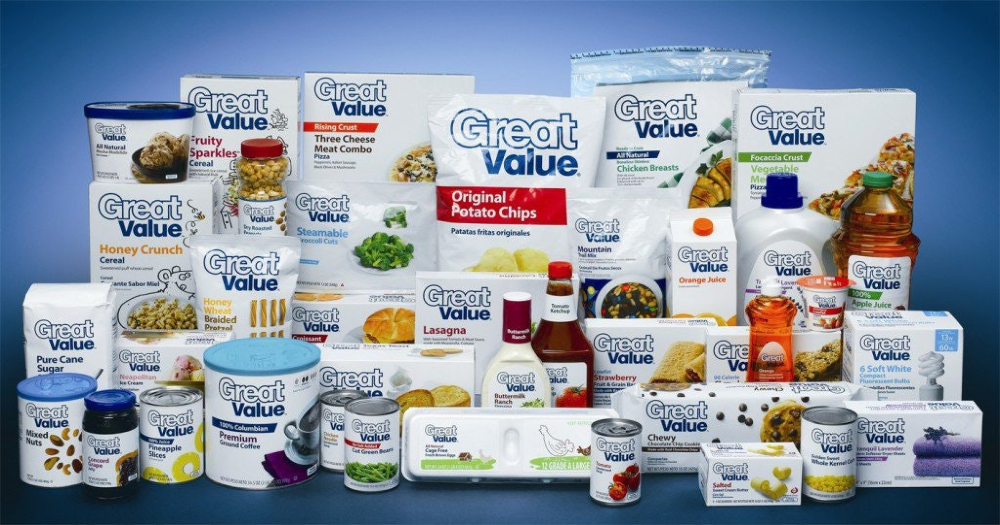
great value private label products

Real life examples

Several convenience stores have successfully utilized private label products to boost profits.

These case studies offer valuable insights:

  • 7-Eleven: The convenience store giant 7-Eleven has its line of products under the 7-Select brand. The range includes snacks, beverages, and non-food items, all competitively priced. This strategy has not only boosted profits but also enhanced the brand’s image for quality and value.
  • ALDI: While not a typical convenience store, ALDI provides a noteworthy example. The grocery retailer carries primarily private label products, offering high-quality goods at lower prices than branded alternatives. ALDI’s focus on private-label goods has been a significant factor in its successful expansion and customer loyalty.

The success stories of 7-Eleven and ALDI demonstrate the potential of private labels to enhance profitability and improve brand perception. You might find this article – Maximizing Sales With Effective Use of Tiered Display Stands, helpful as well as extra information on boosting store sales.

Compelling opportunity to increase profitability

In the face of intense competition and slim margins in the convenience store industry, private label products offer a compelling opportunity to increase profitability. They appeal to value-conscious customers, provide a platform for differentiation, and foster customer loyalty.

Successfully introducing and promoting a private label range requires careful planning, strategic promotion, and close collaboration with suppliers. However, as the case studies illustrate, the effort can pay off handsomely, contributing significantly to your store’s bottom line.

Private label products represent not just a tactical response to market conditions. It is also a strategic choice that can fundamentally enhance your convenience store’s value proposition. By tapping into this potential, you can drive profitability and build a more resilient and distinctive business.

Make sure to check out Marketingfixt.com for more articles like this.
Cost-Efficiency of Using Pallet Collars in Supermarkets

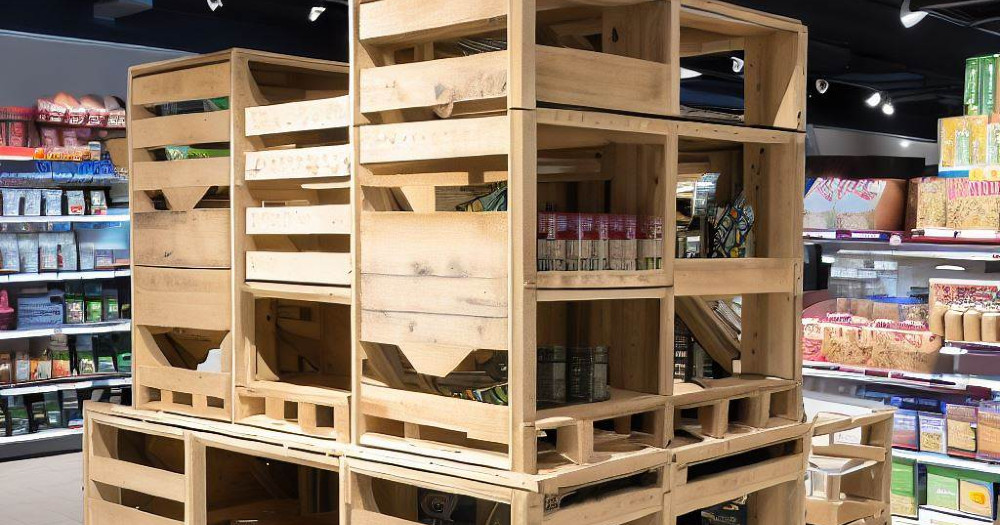
pallet collars in a supermarket

Here at MarketingFIXT, we’re all about discovering the most effective and innovative marketing fixtures to enhance the retail experience. But what if I told you there’s an underrated tool that doesn’t just boost your in-store marketing but also brings considerable cost-efficiency to your operations? 

That’s right – we’re talking about pallet collars. A fixture that’s not just functional but frugal.

Today, we’re going to unravel how these unsung heroes contribute significantly to cost-savings in supermarket operations. So let’s roll up our sleeves and dive in!

Space efficiency of pallet collars

Real estate is a premium in supermarkets. Efficient use of available space is not just about aesthetics or customer convenience. It’s a matter of economics. So let’s see how pallet collars can help here.

Pallet collars, due to their stackable nature and adjustable height, make optimum use of vertical space. This efficiency means that supermarkets can store more goods in the same floor space, reducing the need for expansive storage areas.

For instance, a supermarket previously requiring additional off-site storage might find that with the effective use of pallet collars, they can comfortably store their stock onsite. The savings in rent and transportation costs could be significant.

You can see great options made by ColorWood Latvia team. Their pallet collars for supermarkets come in different sizing, colors and most important of all – from sustainable sources.

pallet collars in a supermarket

Durability and reusability of pallet collars

Imagine investing in a tool that continues to serve you for years without needing constant replacement. That’s one of the biggest economic benefits of pallet collars.

Pallet collars are incredibly durable, often made of sturdy materials like wood or robust plastic. Unlike traditional packaging that may be discarded after a single use, pallet collars can be used repeatedly, leading to substantial savings in the long term.

Consider a scenario where a supermarket chain replaces disposable packaging with reusable pallet collars. The initial investment might seem high, but over time, the costs saved in replacement packaging will more than compensate, proving to be a savvy financial move.

Supermarkets benefiting from pallet collars

Enough theory, let’s look at some real-world examples of supermarkets reaping financial benefits from switching to pallet collars.

Supermarket chain X, operating across multiple cities, decided to replace their single-use packaging with pallet collars. After an initial investment period, they reported a 30% reduction in their annual packaging costs over the next three years.

Moreover, they were able to optimize their storage space, eliminating the need for additional rented storage facilities. In another example, a small independent supermarket reported that the switch to pallet collars helped them increase their storage capacity without expanding their premises, resulting in significant savings.

display pallet dollies

Enhancing customer experience and worker safety

While cost efficiency is crucial, let’s not forget other benefits of pallet collars that indirectly impact a supermarket’s bottom line.

By providing an organized, clutter-free shopping environment, pallet collars enhance the customer experience, potentially increasing customer retention and sales. They also contribute to worker safety, reducing the risk of injuries and subsequent workers’ compensation claims.

Display pallet dollies for safer work

Complementary tool that enhances both customer experience and worker safety is the display pallet dolly. These mobile platforms are designed to support pallet collars and allow for easy movement of heavy loads across the store floor.

Display pallet dollies are especially beneficial in supermarkets where stock needs to be frequently replenished or relocated. Furthermore, display pallet dollies contribute to ergonomic practices in the workplace.

By reducing the need for manual lifting and carrying, they help in preventing common musculoskeletal injuries among workers. This not only improves overall workplace safety but also reduces potential costs related to workers’ compensation claims and lost productivity due to injuries.

A wise investment for your supermarket

The introduction of pallet collars into supermarket operations represents a wise investment. With their durability, reusability, and space efficiency, pallet collars significantly contribute to cost savings in the long run.

They offer supermarkets a practical, versatile tool that not only enhances operational efficiency but also supports financial objectives. As the retail industry continues to evolve, topics such as the role of technology in enhancing the utility of pallet collars or the sustainable appeal of pallet collars could make for interesting exploration.

In an environment where efficiency and cost-effectiveness are paramount, it’s clear that pallet collars have a crucial role to play. If you found this article helpful in reducing the costs of using pallet collars in supermarket operations, you might want to check out these articles:

There you will learn extra knowledge for the best supermarket tips to boost sales and reduce costs at the same time.

Value of Display Stands in Seasonal Cafes

cafe

In the busy world of seasonal cafes, every little detail counts toward making a lasting mark on patrons. It also applies to the display stands you select.

Branded display stands are a great way to draw in more customers, strengthen their loyalty, and pull in new ones. The topic of this article – branded displays in seasonal cafés – fits perfectly into MarketingFIXT.com‘s narrative on marketing solutions.

branded display

Building brand awareness with branded display stands

Showcases with your brand are more than just storage. They are a useful tool for building and promoting brand awareness. Well placed, they can attract the attention of customers and make your café stand out from the competition.

You can adapt several display stands to your café’s layout to sell your brand:

  • Menu stands: You can customise them with your own colour scheme and logo. They give customers an immediate and clear message about your brand.
  • Product display stands: These are used to showcase your café goods, pre-packed foods and confectionery. You can use your brand slogan or logo on these stands.
  • Chalkboard stands: These can be used to display promotional material or daily offers. The logo can be engraved or painted on the top or bottom.
  • Tabletop stands: Small platforms for placing menus, condiments or promotional material on a table. These stands are located in the same place where the customer sits and are an additional channel for the continuous dissemination of brand messages.
  • Outdoor signage stands: Place these outdoor signage stands outside the café to attract visitors. You can use your brand’s eye-catching visuals, logo and colour palette.

A creatively designed stand can help create an impression beyond the customer’s visit, ensuring that the people will remember your cafe for a long time.

Reinforcing brand identity

Customers’ perception of your brand is influenced by every interaction with your café. By purchasing the highest quality display stands, you demonstrate your commitment to excellence and care.

For example, reclaimed wood display stands are a great way for a café that emphasises organic and sustainable cuisine to further demonstrate its commitment to sustainability. Similarly, a company that favours a very contemporary style may choose to use simple, elegant displays. These design subtleties contribute to promoting, cohering and reinforcing your brand identity.

Enhancing the customer experience

Branded stands can also improve the overall customer experience. Good product organisation makes it easier for users to browse and choose through well-designed displays.

In addition, these displays can enhance the atmosphere and design of a café, improving its aesthetic appeal. For seasonal cafés, which often rely on a certain atmosphere to attract visitors, this is essential.

The power of branded display stands

The success of the seasonal Autumn Perfume Café is a great example of the impact that branded stands can have. The café used branded stands with pleasant autumn colours, its emblem and seasonal graphics. It was popular for its autumn-themed drinks and sweets.

The stands increased brand awareness and improved the overall atmosphere of the café. Users inadvertently promoted the brand on social networks by sharing pictures of the café.

display stand in cafe

Display stands in seasonal cafes

As we have seen, the use of brand displays in seasonal cafés offers several benefits, such as increased brand awareness, brand identification and customer satisfaction. These displays can be a cost-effective solution for cafés that change their theme seasonally to update the space and leave a lasting impression on visitors.

In the following reports, we will take a closer look at branded display design, including how to integrate brand elements correctly and choose the right type of display for your café. Read on to find out how to maximise the marketing potential of your café window display!

Enhancing Customer Experience with Interactive Kiosks in Banking

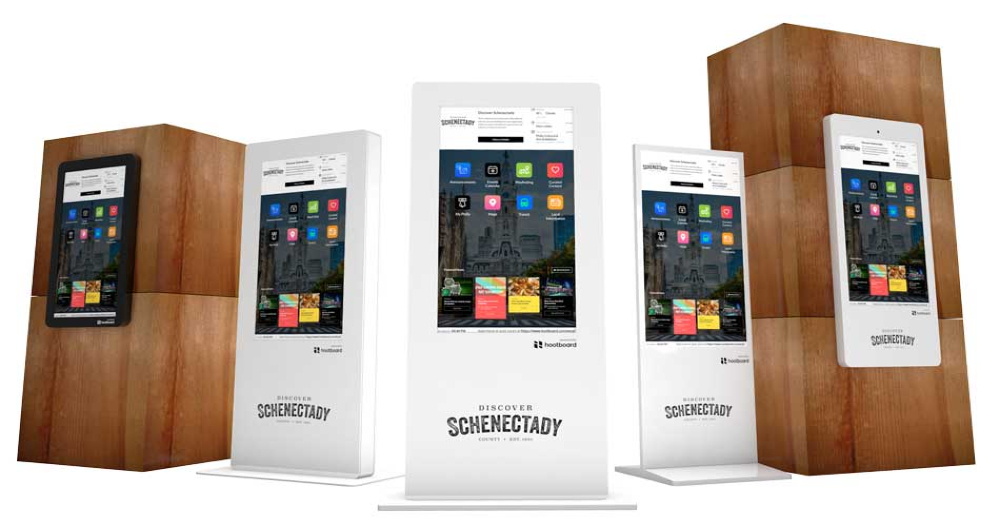
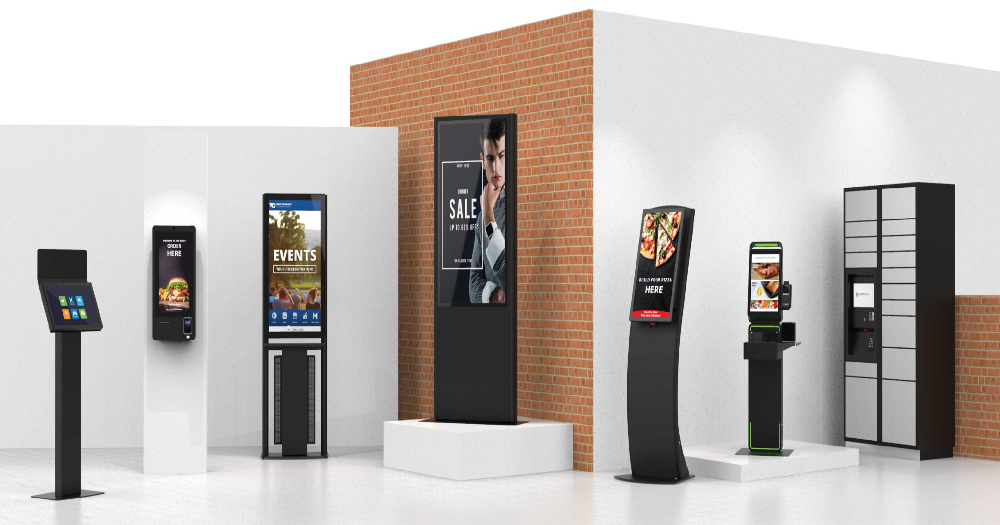
interactive kiosks for banks

Self-service terminals that provide users with a range of banking functions are called interactive kiosks. They have revolutionised the banking industry.

These kiosks offer customers a new level of convenience and a tailored experience. They act as touch-screen interfaces for a variety of financial services and transactions.

This article will explore the potential impact of interactive kiosks on the banking customer experience. We will look at benefits, features, effective case studies and methods to ensure seamless integration while respecting privacy and data security.

Benefits of interactive kiosks in banking

Interactive banking kiosks have several benefits, such as improved accessibility and efficiency of customer support, as well as more efficient and tailored banking services:

Increased accessibility

Through interactive kiosks, customers can access financial services outside normal working hours and outside normal working areas. Offering a 24-hour self-service channel, they allow customers to transact whenever it is convenient for them. Customers no longer have to queue or rush to the bank before closing time.

Reduced wait times

With interactive kiosks, customers can avoid the long queues and waiting periods often associated with in-person transactions. They can complete their daily tasks quickly.

For example, deposit a cheque or find out the amount of their money without having to speak to a bank teller. This saves customers a lot of time and increases their overall level of satisfaction.

Improved self-service options

Interactive kiosks give customers full control over their financial activities by offering a variety of self-service features. They are able to perform account administration tasks including updating personal details, moving money and checking account balances.

Customers can also easily pay their bills, including credit card, utility and other bills. Buyers can also initiate loan applications and track their progress in real time through interactive kiosks.

Customers can also easily pay their bills, including credit card, utility and other bills. Customers can also submit loan applications and track their progress in real time via interactive kiosks.

Real life examples

Here are the best case studies of successful implementations.

JPMorgan Chase

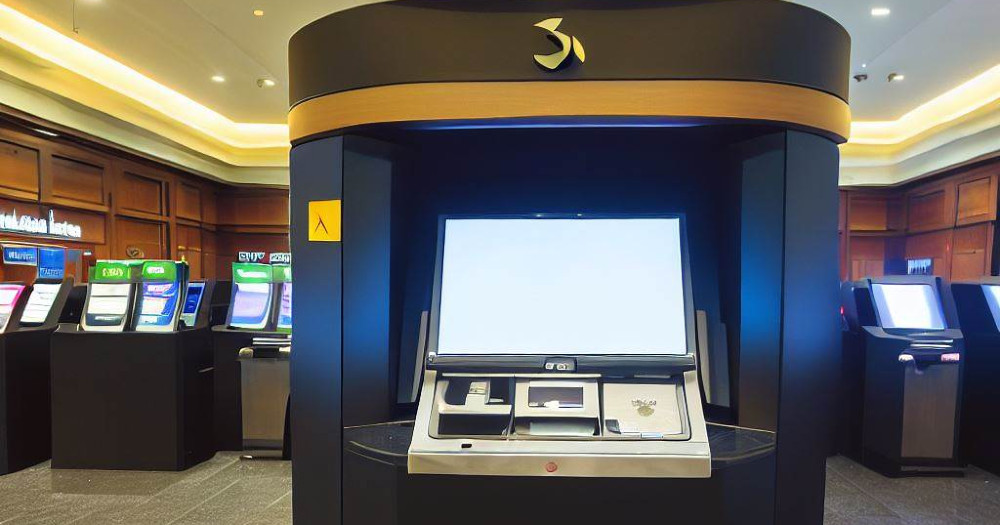
JPMorgan Chase has effectively implemented interactive kiosks, referred to as eATMs, across various locations. These eATMs allow customers to perform transactions typically requiring a teller, such as a check to deposit and cashing, leading to a significant reduction in wait times and improved customer experience.

Citibank

Citibank has introduced interactive kiosks that allow customers to perform a range of functions, from basic transactions like withdrawals and transfers to more advanced ones like applying for credit cards and loans. The kiosks have been praised for their intuitive user interface and have significantly enhanced the customer experience.

interactive kiosks

Functionalities of interactive kiosks in banking

Interactive kiosks offer a diverse range of functionalities that cater to various customer needs.

These functionalities include:

Account management

Customers can perform account inquiries, view transaction history, and manage their account preferences. Such as changing contact details or setting up alerts. This empowers customers to have more control over their banking activities.

Bill payment

Interactive kiosks facilitate convenient bill payment for utilities, credit cards, and other services, enabling customers to settle their payments quickly and easily. Customers can enter payment details, select the desired biller, and make secure payments using various payment methods.

Money transfers

Customers can initiate fund transfers between accounts, both within the same bank and to external accounts. Interactive kiosks provide a secure platform for customers to transfer funds conveniently without the need for manual paperwork or visiting a bank teller.

Customers can enter the recipient’s account details. Specify the amount to be transferred and complete the transaction with ease.

Loan applications

Interactive kiosks streamline the loan application process, allowing customers to submit applications, provide necessary documentation, and receive updates on the status of their loan request. Customers can access loan calculators to estimate repayment amounts and choose suitable loan options.

interactive kiosks in banking systems

Integrating interactive kiosks in banking systems

Integrating interactive kiosks into existing banking systems requires careful planning and consideration of security and privacy measures.

Key strategies for seamless integration include:

System integration

Ensuring interactive kiosks are seamlessly integrated with core banking systems is crucial. This integration enables real-time data access, accurate transaction processing.

And synchronization between different channels. It ensures a seamless and consistent experience for customers across all touchpoints.

User interface design

To ensure a good user experience, interactive kiosks should have intuitive and user-friendly interfaces. The design feature should be a simple, aesthetically appealing layout with easy to move screens and simple menus.

To improve readability for a wide range of users, designers should also pay close attention to the choice of appropriate font sizes, colours and contrasts. These design decisions are essential to ensure that all users can use interactive kiosks effectively and easily.

Data security and privacy

To ensure the safety of interactive kiosks, strict security measures must be put in place. Customer information is protected using encryption technologies, secure authentication methods and compliance with data privacy laws.

Regular security checks and updates are required to keep abreast of new threats and to guarantee the protection of consumer data. Ensuring the confidentiality and integrity of user information depends on these standards.

Staff training and support

Extensive training is needed to ensure that bank staff can effectively assist customers using interactive kiosks. Staff need to be knowledgeable about kiosk functions, be able to diagnose typical problems and be able to help customers navigate through self-service options.

Helplines and live chat are examples of specialized support channels that should be easily accessible to help with more complex questions or technical problems. Such careful support planning and systems guarantee efficient service delivery and improve the customer experience.

Improved self-service options

Because they provide better self-service, shorter wait times, and increased accessibility, interactive kiosks have completely changed the banking experience for customers. We have witnessed how interactive kiosks have expedited procedures and raised customer satisfaction through successful case studies.

Through the seamless integration of interactive kiosks into pre-existing financial systems, banks can provide their customers a more convenient and tailored banking experience, all the while emphasizing data protection and privacy.

If you’re interested in purchasing interactive kiosks, we’ve put up a list of the top kiosk manufacturers worldwide, where you can learn more about each company’s advantages and products. Keep in mind that they can be applied in a range of circumstances. Touch-sensitive kiosks, for instance, are useful at auto showrooms.

The Psychology Behind Gift Card Purchases

gift card

Gift cards have become ubiquitous in retail. They offering convenience for both givers and receivers. However, the motivations and psychological factors that drive gift card purchases are far more intricate than meets the eye. 

Previously we have discussed the art of corporate gifting. In this article, we’ll delve into the fascinating world of gift card psychology, exploring the consumer behavior patterns, the allure of additional spending, and strategies that make gift cards irresistible to various customer segments.

The allure of gift cards

gift cards

Gift cards have revolutionized the way we approach gift-giving and shopping. Understanding why people choose gift cards over traditional gifts is a compelling journey into consumer psychology.

Recipients appreciate the autonomy they offer, allowing them to choose items or experiences based on personal preferences. The convenience of online and in-store redemption and the ability to address last-minute gifting needs have contributed to their widespread use. Gift cards also mitigate the risk of disappointment, offer immediate gratification, and carry symbolic value.

The psychology of gift card purchases

Why do people gravitate towards gift cards? It’s more than just a matter of convenience. Unraveling the psychology behind these purchases unveils valuable insights.

Gift card purchases are influenced by the psychological need for autonomy and choice, allowing recipients to make personalized selections. Additionally, they reduce anxiety associated with gift selection by shifting decision-making to the recipient. The pleasure of anticipation further contributes to their popularity. It’s a positive emotional experience for both givers and recipients.

Encouraging additional spending

gift cards purchase buy

Retailers understand the potential of gift cards to boost their sales. How do gift cards nudge consumers toward making additional purchases?

Gift card-induced spending arises from psychological triggers like the endowment effect, where recipients assign higher value to owned items. Owning a gift card fosters freedom, leading to increased spending and a desire to maximize its value. Social and emotional factors also contribute, as shopping evokes positive emotions, pushing individuals to exceed the card’s value for a more satisfying experience.

Personalization and emotional appeal

Personalized gift cards have gained popularity in recent years. They are also a convenient choice for business owners who want to surprise their employees. What makes them so appealing, and how do they connect with the recipient on an emotional level?

They forge a strong emotional connection by tailoring messages or designs to the recipient. Unlike generic options, they showcase thoughtful consideration, elevating the gift-giving experience. This touch fosters intimacy, turning a transaction into a meaningful relationship-building tool.

The psychology of gift card givers

Gift card purchases are influenced by the recipient’s psychology and the giver’s motivations and perceptions.

Gift card givers are driven by practicality, aiming to streamline the gifting process and avoid the fear of choosing the wrong gift. They find satisfaction in providing recipients the freedom to choose, recognizing the value of a personalized selection based on individual preferences. This mindset reflects a thoughtful and efficient approach to gift-giving, prioritizing the recipient’s satisfaction.

Strategies to appeal to different customers

Every consumer is unique. Understanding their preferences is important for retailers. How can businesses use their gift card strategies to diverse customer segments?Businesses can customize gift cards for diverse demographics by aligning offerings with distinct preferences.

For millennials, focus on experiences like trendy restaurants or digital platforms. Gen Z may prefer online retailers, gaming, or streaming services. Older generations often appreciate traditional options such as fine dining or spa services. Use targeted marketing and tech features for relevance, staying attuned to cultural trends to create appealing gift card options for each demographic.

Latest trends

For readers interested in smart shopping and savvy marketing, exploring the latest trends in gift card technology, such as digital or blockchain-based gift cards, can be both trendy and enlightening.

Prevalent trends in gift cards included the rise of digital and mobile options, a focus on personalization, the emergence of eco-friendly alternatives, the popularity of multi-brand cards, and a growing interest in subscription and experiential gift cards. Additionally, some cards integrated technology for added features like QR codes or mobile apps. 

In conclusion

Gift cards are more than just pieces of plastic. They are psychological triggers that tap into the complex world of consumer behavior and emotions. By understanding the psychology behind gift card purchases, businesses can create more appealing offerings, and consumers can make smarter choices when selecting these versatile gifts.

Whether you’re a giver or a receiver, the allure of gift cards continues to shape our shopping experiences. They make a fascinating subject of study in the world of marketing and smart shopping.

Growth Strategies for Online Shops

growth strategies for online shops

As the sun sets, most brick-and-mortar stores close their doors. But online shops remain forever open in the digital realm, inviting night owls and global consumers alike. It’s the allure of the online marketplace, where the world is at your fingertips. However, with boundless opportunities come challenges.

As you gaze into the vast expanse of e-commerce, you might wonder: how can your brand emerge from the shadows and bask in the limelight? We will unveil strategies to amplify your online presence and sales.

Embracing digital marketing

Digital marketing is not just about flashing advertisements on web pages or peppering social media with posts. It’s a balanced blend of art and science where creativity meets algorithmic precision. Today’s consumer is discerning, searching for genuine connections and authentic brands amidst the online noise. So, how can digital marketing can guide these customers to your online stores?

  • SEO (Search Engine Optimization): A technical yet vital tool, SEO ensures your online store ranks high in search results. You can organically increase traffic by optimizing product descriptions meta tags, and using relevant keywords.
  • PPC (Pay-per-click): PPC is a paid advertising model unlike SEO. Platforms like Google AdWords allow businesses to display ads in search results, charging them only when the ad is clicked.
  • Social Media Advertising: Leveraging platforms like Facebook, Instagram, and Pinterest can lead to targeted ad campaigns. With their vast user data, these platforms offer precision targeting.
  • Affiliate Marketing: Collaborating with influencers or bloggers who resonate with your brand can provide a trusted channel to reach potential customers.
  • Email Marketing: Regular newsletters with personalized content can lead to higher conversion rates.

Of course, it doesn’t just end here. Ensure your marketing specials also have useful tech to improve their performance.

Standing out among competitors

The online marketplace is bustling, sometimes like a grand bazaar with countless stalls. Every brand offers something special, each with its melody amidst the cacophony. But what chords should you strike to ensure your brand’s song doesn’t just become background music but the tune everyone’s humming?

  • Unique Selling Proposition (USP): Determine what sets your store apart. It could be handcrafted items, sustainable practices, or exclusive designs.
  • Engaging Content: Product videos, blogs, or user-generated content can enhance engagement.
  • Customer Reviews: A powerful tool for building trust. Encourage satisfied customers to leave positive reviews.
  • Loyalty Programs: Offering exclusive deals or points for repeated purchases can ensure customer retention.
  • Optimal User Experience: Ensure your website is mobile-responsive, has fast load times, and has an intuitive UI/UX design.

Broadening horizons with foreign online shops

online shops online store strategies

Think of the world map. Now, envision it not as territories defined by borders but as a vast tapestry of potential customers. Venturing beyond one’s home ground is an age-old trade practice, but in the realm of e-commerce, it’s a journey fraught with both challenges and immense potential. Are you ready to sail?

  • Localization: Tailor your content to fit local cultures, including language, currency, and regional trends.
  • International SEO: Ensure your website is optimized for search engines used predominantly in your target country.
  • Global Shipping and Returns: Partner with reliable international couriers and have a clear returns policy.

If your online shop offers clothing, you can learn even more by reading our tips for advertising clothing.

Subscription models

Imagine the joy of gifting without the anxiety of choice. In a world full of options, gift cards offer a paradoxical relief: the freedom to choose within a boundary. It’s like pre-booking a customer for businesses. But is it just a festive trend or a perennial revenue stream?

Subscription services offer customers a mix of convenience, surprise, and exclusivity. Online shops can ensure regular engagement and predictable revenue by offering monthly or quarterly boxes. However, it’s crucial to keep refreshing the content to retain subscribers.

Monetizing further with sell gift cards

 Gift cards: A solution for the indecisive shopper and a revenue stream for businesses.

Selling gift cards can cater to last-minute shoppers and those unsure about size or preferences. They not only provide immediate revenue but can also attract new customers to your store.

Conclusion

Navigating the e-commerce world is akin to sailing uncharted waters: thrilling yet daunting. But with the right strategies, even the vast digital ocean can feel like a friendly neighborhood pond. May your sails always catch the wind and your stores witness unprecedented growth. Happy selling!

Is it Ethical for Pharmacies to Use Black Friday?

pharmacy black friday

As Black Friday fever grips the shopping universe, even industries we wouldn’t typically associate with door-busting sales join the frenzy. The healthcare sector, and pharmacies, in particular, have been thrust into the ethical spotlight. Is it ethical for a domain that deals with well-being and often life-saving medications to be part of a consumerist extravaganza like Black Friday?

This article aims to explore this question, delving into various marketing strategies that can be ethical yet effective. We’ll also look at promotional activities that can make pharmacies visible in this noisy advertising climate.

Balancing profit and responsibility

Pharmacies stand at the crossroads of business and healthcare, making the ethical aspect of Black Friday sales much more complex. While most retail sectors are driven purely by profit, pharmacies are obligated to public health. It adds layers of moral considerations to their operations.

Although pharmacies must remain profitable, a fine line must be walked regarding sales and promotions. Offering discounts on over-the-counter medications and wellness products is one thing. However, putting prescription drugs or essential healthcare items on sale could raise ethical red flags. It might send out a message that healthcare is commoditized, undermining the sanctity of medical ethics.

Marketing strategies for ethical visibility

Black Friday is synonymous with an advertising blitz. Customers are bombarded with deals, discounts, and limited-time offers from every corner of the retail sector. Given this intense competition for consumer attention, standing out as a pharmacy has its challenges. Not only must you vie for visibility in a crowded advertising space. You also have to uphold the ethical responsibilities associated with healthcare.

This juggling between being seen and maintaining integrity makes promotional planning for pharmacies a unique challenge. We will delve into various strategies that can help your pharmacy capture attention and do so in a way that aligns with the ethical considerations inherent to the healthcare industry.

  •  Educational Marketing. Instead of simply discounting products, use Black Friday to educate customers. Offering informational pamphlets or free health checks could add value.
  •  Wellness Product Focus. Concentrate the sales around wellness products. For example, vitamins, skincare products, or Pfizer medicines that don’t require a prescription and are not life-saving.
  •  Bundling. Create health and wellness bundles combining non-prescription products at a discounted price. It encourages bulk purchases without affecting the sale of essential medicines.
  •  Loyalty Programs. Use this time to introduce or emphasize loyalty programs that reward regular customers but don’t compromise the importance of prescribed medicines.

Promotional planning for high visibility

pharmacy black friday meds

The increased advertising noise during Black Friday makes it hard for any retailer to stand out. This section looks at ways pharmacies can rise above the fray while maintaining ethical standards.

  •  Social Media Teasers. In the weeks leading up to Black Friday, begin creating a buzz around your ethical approach to the sale season.
  •  Collaboration. Partner with healthcare organizations or popular health bloggers for webinars or podcasts to discuss health and wellness. That way you can subtly introduce your Black Friday offerings.
  •  Effective Merchandising. Consider the layout of your pharmacy. Effective product placement in pharmacy can go a long way in capturing customer attention.

Sustainability in healthcare

Consumer demand for sustainable and ethical practices in all sectors, including healthcare, is a rising trend among consumers.

Pharmacies can ride this wave by offering eco-friendly products. They could also pledge a part of their Black Friday earnings to healthcare charities.

Conclusion

Black Friday is not just an opportunity for pharmacies to boost sales but also to engage with customers ethically. By focusing on educational marketing, wellness products, and community-centric promotions, pharmacies can participate in Black Friday without compromising their integrity. Happy ethical shopping!

The Art of Corporate Gifting: Taste, Timing, and Thoughtfulness

corporate gifts

Every gesture carries weight in the intricate dance of business relationships, and corporate gifts play a pivotal role. They aren’t just objects or treats. They’re statements of appreciation, tokens of goodwill, and strategic tools to foster relationships.

Yet, in a world drowning in material things, the significance of a well-chosen gift stands out. Understanding the subtleties of this art isn’t just about strengthening business ties. It’s also about wise spending in the corporate realm.

Occasions that require corporate gifts

corporate gifts

In the corporate ecosystem, there are numerous moments where a thoughtful gift can make a difference. From celebrating business milestones to expressing gratitude for a job well done, the opportunities are endless.

  • Anniversary Celebrations: Celebrating the years a company has been in operation or marking the anniversary of a partnership can be enhanced with a thoughtful corporate gift. It signifies the journey taken together and the milestones achieved.
  • Product Launches: When launching a new product or service, a corporate gift can be a memorable token, keeping the brand fresh in attendees’ minds.
  • Employee Recognition: Valuable employees can be acknowledged for their dedication and efforts with unique gifts, making them feel cherished and motivating them for future tasks.

When taste becomes the focal point

In certain situations, the sophistication of the gift speaks volumes. This is especially true when dealing with high-value clients, potential investors, or esteemed partners.

  • High-Stakes Meetings: When meeting potential clients or investors for the first time, a tasteful gift can leave a lasting first impression.
  • Celebratory Occasions: Events like signing a significant contract or completing a challenging project call for tasteful gifts that reflect the magnitude of the achievement.
  • Repairing Business Relations: In the event of misunderstandings or disruptions in business relations, a tasteful gift can act as an olive branch, paving the way for smoother interactions in the future.

Tasteful corporate Christmas gifts

corporate Christmas gifts

Christmas, a season of giving and joy, offers the perfect backdrop for corporate gifting.

Here are some ideas that combine taste and relevance:

  • From leather-bound journals with embossed company logos to sophisticated cardholders, these items exude elegance.
  • A carefully curated hamper with gourmet treats, handcrafted chocolates, and artisanal beverages makes for a delightful gift.
  • High-quality desk accessories, perhaps in brushed metal or polished wood, can add a touch of sophistication to any workspace.
  • Think of classy, functional gadgets like wireless charging pads with company branding or high-end earbuds in a customized case.

What are the trends?

In today’s ever-evolving corporate world, sustainability is making its mark even in gifting. Eco-friendly gifts, from bamboo cutlery sets to reusable coffee cups branded with company logos, are becoming increasingly popular.

They serve a practical purpose and resonate with the growing global consciousness towards environmental sustainability. Of course, there are also other ways how to connect emotionally with your audience.

In conclusion

Corporate gifting isn’t just a ritual. It’s an investment. An investment in relationships, brand value, and, ultimately, in the growth of the business. Choosing gifts that reflect thought, care, and understanding the recipient’s preferences can go a long way in building and maintaining robust business ties. For more knowledge, learn how to to build a compelling corporate narrative.

So, the next time you want to make a business gesture, remember: it’s not about how much you spend, but how wisely and thoughtfully you choose.

Enhancing Customer Experience with Wooden Crate Displays

Wooden crate display stand

Welcome back to MarketingFIXT.com, the hub for insights and innovation in marketing fixtures. We have previously delved into various display stands and product stands. But today’s spotlight shines on a rustic favorite: wooden crate stand displays. 

This article explores how businesses can leverage wooden crate displays to interactively engage customers, enhance their shopping experience, and create lasting memories.

The charm of wooden crates

Wooden crate display stand

In an age of digitization and plastic, there’s a growing appreciation for the tactile and organic. Wooden crates cater to this sentiment, offering customers a nostalgic shopping experience.

  • Authenticity Matters: A wooden crate exudes authenticity, creating a sense of trust and reliability.
  • Tactile Experience: The texture and feel of wood resonate with customers seeking tangible shopping encounters.
  • Sustainability: Wooden crates cater to eco-conscious customers, moving towards sustainable business practices.

Sampling stations

One of the most effective ways to win customers is to let them experience the product firsthand. Wooden crate stands can be effortlessly converted into sampling stations. That’s where customers can taste, try, and subsequently buy.

  • Taste Tests: For food and beverage businesses, crates can host tasting sessions, letting customers sample products before purchasing.
  • Try-On Stations: For fashion or accessory outlets, wooden crates can display items for customers to try.
  • Interactive Product Demos: Showcase how products work in an interactive setting, allowing customers to engage and understand better.

Customization stations

Personalization is the name of the game. With wooden crate display stands, businesses can set up DIY customization stations. It allows customers to personalize products per their preferences, adding a unique touch.

  • Engraving Stations: Customers can get engraved names, messages, or designs on products.
  • Color Stations: Offer a palette of colors or patterns for customers.
  • Accessory Add-ons: Allow customers to accessorize products, enhancing their overall value.

Personalization possibilities

Beyond DIY stations, wooden crate display stands can showcase a plethora of personalization options. It allows customers to make their purchase truly their own.

  • Name Tags: Offer customizable name tags or labels for products.
  • Custom Packaging: Customers can choose from different packaging options, making gifting more personal.
  • Mix and Match: Let customers curate their product bundles, enhancing their shopping experience.

For some inspiration, see some examples of personalized wooden crates.

Tech integration

Wooden crate display stands evoke vintage charm. However, integrating modern technology can create a harmonious blend of old and new, captivating tech-savvy customers.

  • QR Code Scans: Attach QR codes to products, directing customers to detailed information or tutorials.
  • Interactive Screens: Embed touchscreens showcasing product stories or user reviews.
  • Augmented Reality (AR): Use AR to visualize products in different settings or with various customization options.

Conclusion

Wooden crate stand displays offer businesses a unique canvas to craft memorable customer experiences. Companies can create enriched and engaging customer journeys by integrating interactive elements, offering personalization, and blending vintage with modern.

Don’t forget to check out our other articles:
 

How to Build a Compelling Corporate Narrative

Corporate Narrative

Welcome to another insightful article on MarketingFIXT.com. Here we often explore the surprising world of marketing fixtures. Such as display stands and product stands, that help your products shine. Today, we’re delving into an essential and often overlooked aspect of business strategy – crafting a compelling corporate narrative.

In today’s competitive market landscape, a well-structured corporate narrative isn’t just a neat addition to your company’s portfolio. It’s a critical tool that resonates with various stakeholders. It shows your brand’s identity, mission, and values. We will guide you on how to create a corporate narrative that aligns with your brand and engages your audience through storytelling techniques, consistency across channels, and more. Let’s start!

Creating a story that resonates

Stories connect us. They inspire, motivate, and sometimes even change how we see the world. Your corporate narrative should be the same. Crafting a story that resonates with your audience is essential in creating a lasting impression.

  • Find your unique angle: Understand what differentiates your company and build a story around that uniqueness. Discover how to connect with your audience through copywriting.
  • Speak your audience’s language: Tailor your narrative to your audience and consider their values and interests.
  • Emphasize emotion: Humanize your brand by incorporating emotional elements your audience can relate to.

Aligning your story

A disjointed narrative can do more harm than good. Aligning your story with your brand ensures that your message is coherent and consistent. Even more so, it reflects your company’s core values.

  • Identify core values: Your narrative must be anchored in your brand’s core values and philosophy.
  • Consistent messaging: Maintain uniformity in your message across various platforms.
  • Visual harmony: Ensure that visual elements like logos, color schemes, and fonts align with your narrative.

Maintain consistency in all channels

social media platforms facebook

In our multichannel world, maintaining consistency across all platforms is not just crucial. It’s expected. A cohesive narrative across channels amplifies your brand’s presence and message.

  • Cross-platform strategy: Develop a plan that integrates your narrative across all channels.
  • Regular monitoring: Regularly monitor and update all platforms to maintain alignment.
  • Engage your audience: Create interactive content that invites your audience to be part of your story.

Integrating marketing fixtures

Let’s remember the tangible aspects of marketing. Integrating your corporate narrative with your display stands, product stands, and other marketing fixtures can create a seamless brand experience.

  • Incorporate brand elements: Use your marketing fixtures to represent aspects of your story visually.
  • Engage through physical interaction: Allow customers to experience your brand through interactive displays.
  • Stay current: Regularly update your fixtures to reflect your brand’s evolving story and market trends.

Conclusion

Building a compelling corporate narrative is a multifaceted task that requires a blend of creativity, strategy, and consistency. By keeping in mind the things we went through, you can create an impressive narrative that engages your audience and promotes brand loyalty.