Willie Campbell

Digital Elements in Beverage Marketing Fixtures

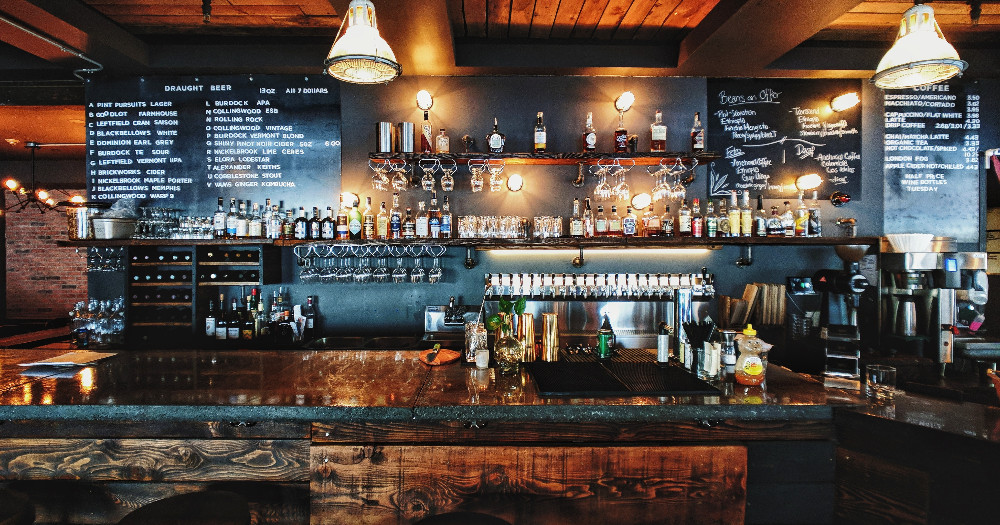
cafe bar marketing fixtures

In modern retail’s dynamic, technology-driven world, incorporating digital elements into marketing strategies cannot be overstated. It is especially true for the beverage industry. Marketers are discovering the advantages of integrating digital technology into their marketing fixtures. It could include incorporating digital menus and interactive displays to QR codes offering detailed product information or exclusive promotional offers.

We will explore how these digital innovations can boost customer engagement, amplify brand visibility, and drive sales.

This article we will take a look at the following digital elements:

Digital menus

Digital menus are a game-changer in the beverage industry. These vibrant, dynamic displays can be far more eye-catching than traditional static menus. Besides showcasing various beverages, these platforms allow swift updates based on inventory, time of day, or special promotions.

For instance, Starbucks has effectively used digital menus to highlight seasonal drinks, offer personalized recommendations, They also provide nutritional information, enhancing its overall customer experience.

Interactive displays

Incorporating interactive displays into beverage marketing fixtures can provide a more engaging, immersive customer experience. These could be touch screens that allow customers to customize their drinks or informative displays about different beverages’ origins and brewing processes.

For example, Coca-Cola’s “Freestyle” machines offer customers an interactive beverage dispensing system where they can mix and match to create their custom drink, leading to a memorable brand experience.

QR codes
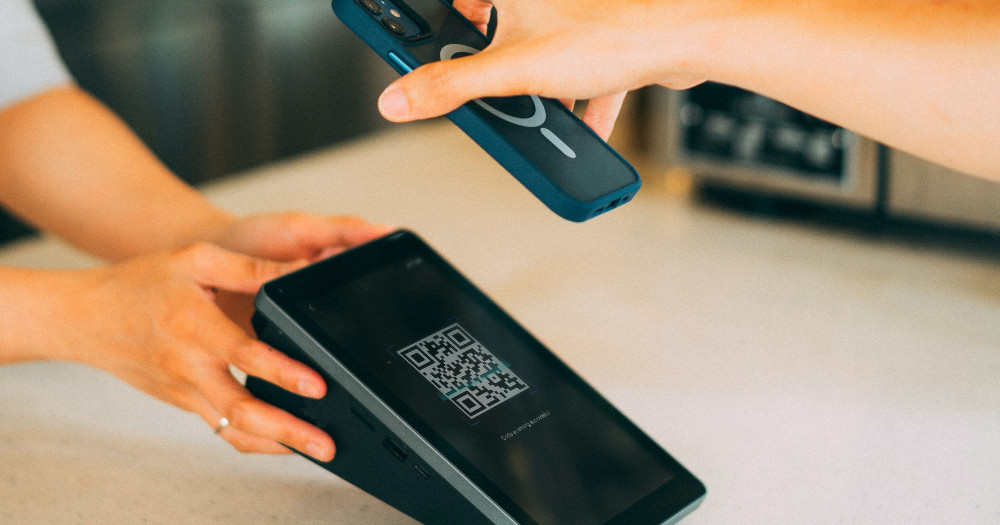
qr code digital element marketing fixture

Integrating QR codes into beverage marketing fixtures provides many possibilities for engaging customers. When scanned, these codes can lead customers to a landing page . There they can find detailed product information, nutritional facts, promotional offers, or even a short, entertaining video about the beverage.

PepsiCo, for example, has effectively used QR codes on its beverage stands in supermarkets, driving customers to its website for special offers and contests.

Augmented reality (AR)

An emerging trend is the use of Augmented Reality (AR) in beverage marketing fixtures. AR can bring static beverage stands to life, offering customers an interactive and engaging experience.

For instance, a customer pointing their smartphone at a promotional stand might see a virtual bartender mixing their drink, a 3D model of the bottle, or even playing an interactive game. Brands like Jack Daniels have begun exploring AR to provide a unique and engaging brand experience.

Conclusion

Integrating digital elements into beverage marketing fixtures offers significant advantages in enhancing customer engagement, improving brand visibility, and driving sales. Digital tools are transforming the landscape of beverage marketing.

As a marketing professional, leveraging these digital elements can help you stay at the forefront of this exciting industry. The digital transformation is here. It’s time to embrace it.

If you own a bar or a cafe, you should take a look at these articles:
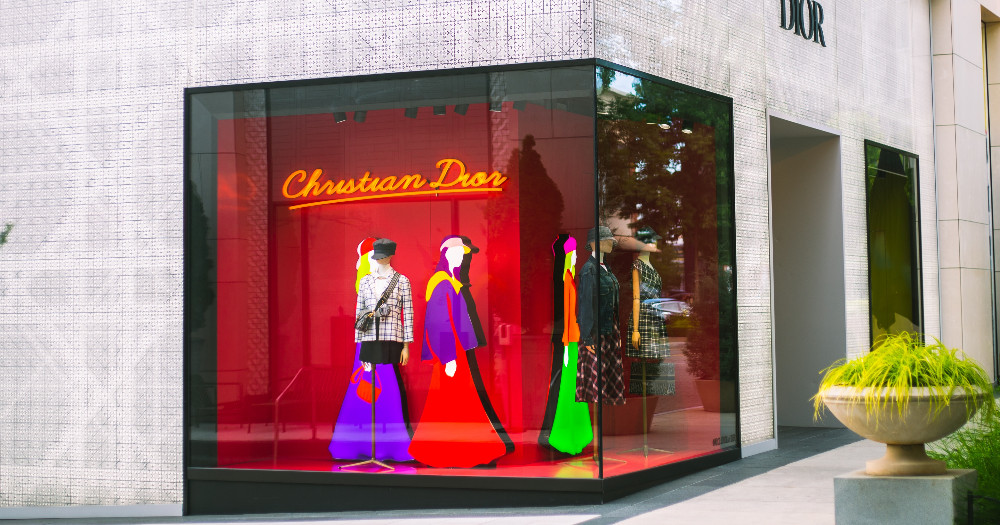
The Art of Window Displays in Boosting Brand Recognition

window displays

When discussing powerful marketing tools in retail, window displays deserve a spot at the top. Often underutilized and sometimes overlooked, they serve as the visual handshake between a store and its potential customers. A well-designed window display invites consumers into your store and tells a story about your brand, producing an impact that promotes brand recognition. 

This article will explore the art of window displays in boosting brand recognition. You will learn about tips on how to craft compelling window displays that amplify your brand’s message, allure customers, and, ultimately, drive sales.

The importance of window displays

Window displays are the first point of visual contact between your store and potential customers. They provide an essential opportunity to make a powerful first impression and establish your brand identity. It’s crucial to understand the importance of marketing tools, like promotional sampling booths or displays, so that you can use them in your favor.

A creative and attractive window display can turn heads and pique curiosity. It can work as a magnet that pulls people in. Beyond just aesthetics, they are a visual narrative of your brand. They communicate what your brand represents, your products or services. It can also give your customers an idea of what they can expect inside your store.

How to create compelling window displays 

window display women buyers

Effective window-dressing requires a careful balance of art and marketing. It should be visually appealing and intriguing, aligning with your brand’s identity and message.

Here’s some important aspects to consider:

  • Cohesion and Consistency: The display should align with your brand’s image and message. Cohesion and consistency in color schemes, styles, and themes can reinforce your brand’s identity, making it more recognizable.
  • Seasonal and Trending Themes: Incorporating seasonal or trending themes into your window displays can make them more relatable and appealing. However, remember to maintain your brand’s unique twist to stand out.
  • Balance and Symmetry: A balanced and symmetrical display can attract and please the eye. However, feel free to experiment with asymmetry for a more dynamic and attention-grabbing display.
  • Lighting: Lighting can dramatically affect the mood and appeal of your display. Use it to highlight key elements and create shadows for depth and drama.
  • Simplicity: An overly cluttered window can confuse and deter customers. Stick to one primary focus, ensuring the display is manageable but inviting.

The role of marketing fixtures

Marketing fixtures like display stands, product stands, and other retail fixtures can significantly enhance the effectiveness of your window displays. They provide structure and dimension, help highlight particular products, and can contribute to the visual storytelling of your brand.

Use marketing fixtures creatively to create different levels and layers in your storefronts, making them more dynamic. High-quality marketing fixtures can also elevate the perceived value of your products and, by extension, your brand. Remember that the choice and arrangement of marketing fixtures should align with your brand’s style and philosophy.

Digital window displays

Integrating technology into your window displays could be a game-changer in our increasingly digital age. It allows you to create engaging, interactive customer experiences. 

It could involve using the following:

  • screens for videos
  • augmented reality (AR) elements
  • touchscreen technology for interactive displays. 

These digital window displays have a considerable positive impact on brand recognition, particularly among tech-savvy consumers. Mastering the art of window displays can give your brand a competitive edge in today’s saturated retail environment.

Sustainable window displays

Sustainability is more than just a trend. It’s becoming a fundamental element of brand identity. Especially, for consumers who prioritize environmentally-friendly practices. 

Incorporating sustainability could involve the following:

  • using recycled or recyclable materials
  • opting for energy-efficient lighting
  • eco-friendly products.

By aligning with sustainability values, your storefronts can create a strong positive impression.

Conclusion

In retail marketing, window displays offer an opportunity to showcase your brand’s identity and engage with potential customers before they enter your store. With the tips provided, you can create visually captivating window displays and echo your brand’s ethos and message. It helps build a stronger connection with your audience and boost brand recognition. To improve your business further, learn how to maximize your sales with tiered display stands. If you are a cafe owner, you should read about branded display stands in seasonal cafes.

Remember, your window display is more than just a marketing fixture. It’s a silent brand ambassador, speaking volumes about your brand’s identity, values, and offerings. Treat it with the importance it deserves. It could well become your most powerful marketing tool.

Maximizing Sales With Effective Use of Tiered Display Stands

effective use of tiered display stands

Greetings, MarketingFIXT readers! In today’s post, we will explore an instrumental fixture in the realm of retail marketing – tiered display stands. When deployed strategically, these stands can provide a significant boost to your sales. 

We’ll be talking about positioning, visibility, rotating displays, and other merchandising strategies. Let’s step up your sales game with tiered display stands!

Positioning tiered display stands

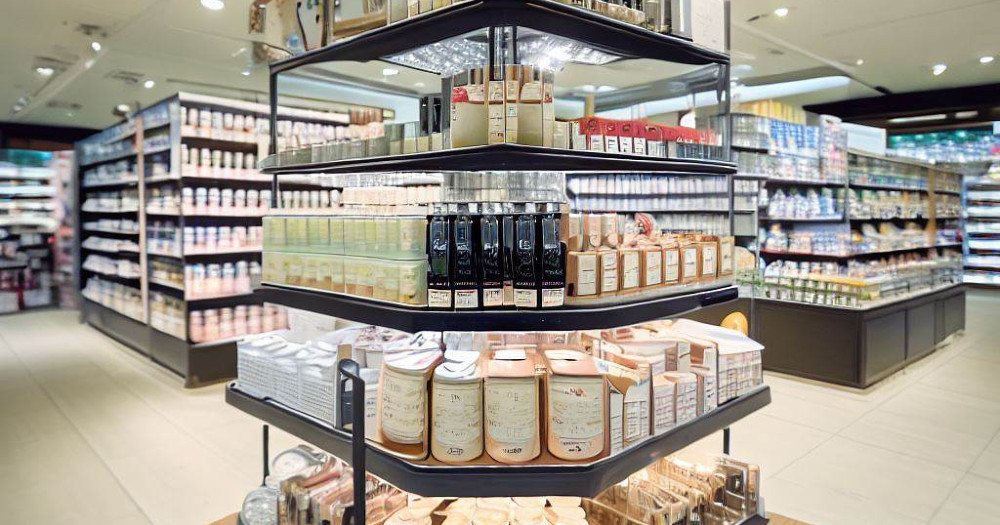
tiered display stands

The placement of your tiered display stands within your store can significantly impact their effectiveness. How can strategic positioning maximize exposure and, subsequently, sales?

Position your tiered stands in high-traffic areas of your store, such as near the entrance, checkout lines, or aisle ends. These spots catch customers’ attention and are likely to drive impulse purchases. For example, placing a tiered stand of snack items near the checkout lines can lead to last-minute purchases while customers wait to pay.

Ensuring display visibility

Making your products visible is a key element of successful retail merchandising. How can tiered display stands contribute to this visibility? Tiered stands naturally draw the eye due to their vertical structure. It makes them great for showcasing products.

To enhance visibility, consider the hierarchy of products. Place higher-margin or promotional items at eye level, everyday items a little lower, and lower-margin items on the bottom tier. For instance, in a bookstore, bestsellers or signed editions can be placed at eye level on a tiered stand. While regular editions can be placed on the lower tiers.

Keeping the displays fresh

Keeping your displays fresh and relevant is another crucial aspect of successful merchandising. How can tiered display stands facilitate this? Rotate the products on your tiered stands based on seasons, holidays, or occasions. This keeps the display relevant and encourages customers to check out the stand regularly.

For example, a supermarket could use a tiered stand to showcase seasonal produce, or a gift shop could use it to feature holiday-themed items.

Other merchandising strategies

Beyond positioning, visibility, and rotation, what are some other effective merchandising strategies using tiered display stands? Cross-merchandising is a strategy that can be effectively executed with tiered stands. By displaying products that complement each other on the same stand, you can encourage additional purchases. For instance, a tiered stand in a clothing store could display a complete outfit with accessories included.

Themed displays are another strategy, grouping products together that fit a particular theme or narrative. For instance, a tiered stand in a home goods store could display a “breakfast in bed” theme featuring trays, coffee mugs, cereal bowls, and spoons.

Conclusion

Through strategic positioning, maximizing visibility, regularly rotating products and other effective merchandising strategies, tiered display stands can serve as a powerful tool to maximize your sales.

There’s always more to learn in the world of retail merchandising, such as leveraging customer psychology with your displays or the benefits of combining different types of fixtures. So stay tuned to MarketingFIXT for more insights and tips on how to take your retail experience to the next level!

If you found this article helpful in maximizing sales with the effective use of tiered display stands, make sure to check out our website for more information on different stands that helps boost sales.

Evolution of Digital Outdoor Advertising from Billboards to DOOH

billboard outdoor advertising

Outdoor digital advertising has been an essential part of the advertising industry for centuries. However, with the advent of new technology, it has evolved significantly.

This article explores the transition from traditional billboards to Digital Out-of-Home (DOOH) advertising. We will be discussing the technological advancements, shifting consumer habits, and benefits of digital platforms that have shaped this evolution.

Traditional billboards

traditional billboards digital outdoor advertising

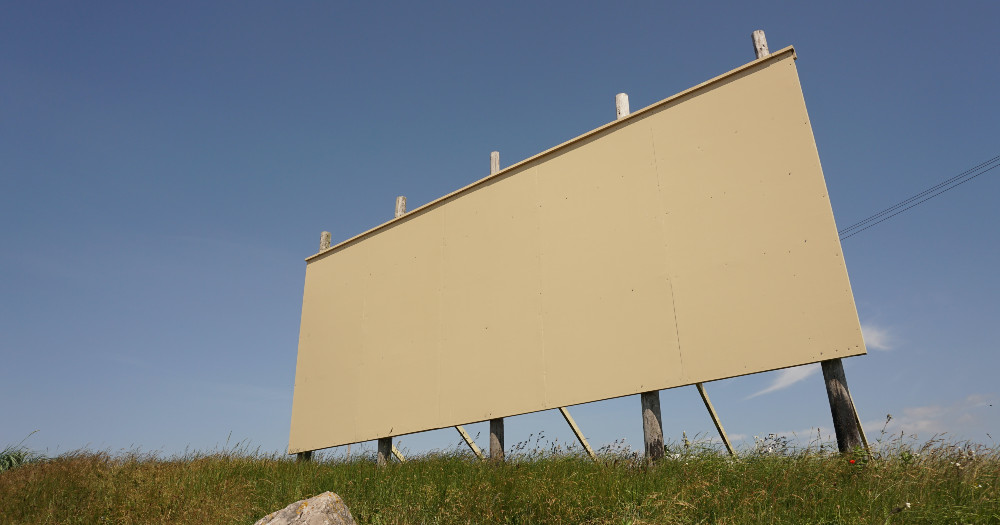
Traditional billboards have been a staple of outdoor advertising for many years. Typically located along highways or busy city streets, these large-scale ads offer marketers the opportunity to reach a wide audience.

Traditional billboards are static, printed advertisements, often leased for a period ranging from a few weeks to several months. They offer high visibility, especially in high-traffic areas. However, their static nature means that they can only display a single ad until they are manually replaced.

Billboards for iconic brands like Coca-Cola or McDonald’s are ubiquitous and have become part of the cultural landscape in many cities. Despite their widespread use, traditional billboards have limitations. Including the cost and effort required to change the displayed ads and the inability to target specific audiences or adapt to different times of day.

Introducing DOOH

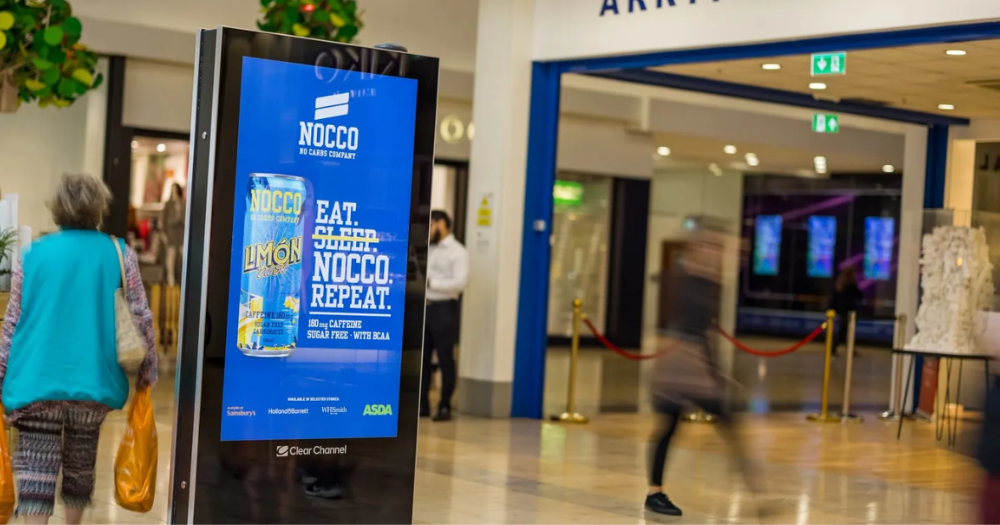
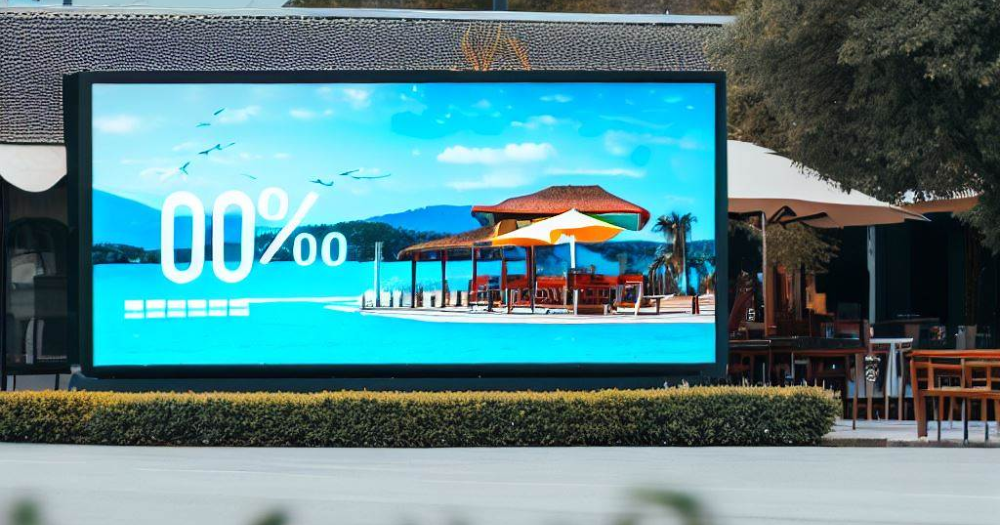
Digital Out-of-Home (DOOH) advertising represents a significant advancement in the outdoor advertising space. By replacing printed images with digital screens, DOOH allows for dynamic, adaptable, and interactive advertising.

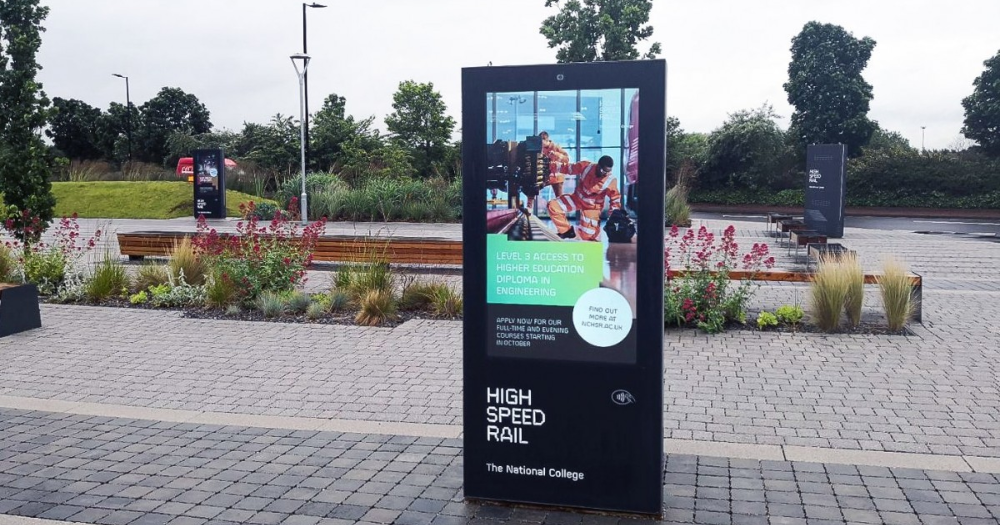
Such ads are displayed on digital screens, which can range from large digital billboards to smaller displays in locations like bus stops, shopping centers, or airports. DOOH ads can be changed in real-time, allowing advertisers to display different ads at different times of the day, react to current events, or even interact with audiences.

DOOH has led to some truly innovative advertising campaigns. For example, British Airways ran a DOOH campaign where their ads – displayed on digital billboards – would interact with their planes flying overhead, with the ad showing the flight number and destination of the plane. This level of interactivity and real-time relevance is something that traditional billboards simply cannot match.

Technological advancements fueling DOOH

Several key technological advancements have driven the rise of DOOH. The development of high-quality digital screens that can withstand outdoor conditions made the transition from print to digital billboards possible.

Aside from the screens themselves, advancements in data collection and analytics have also fueled DOOH’s growth. Modern DOOH platforms can collect data on passers-by (such as the number of people, their speed, and even demographic info in some cases), allowing for improved audience targeting and measurement. Furthermore, the rise of programmatic advertising platforms has made it easier for advertisers to manage and optimize their DOOH campaigns.

dooh outdoor advertisement

Changing consumer habits

Just as important as technological advancements are the changing habits of consumers. With the widespread use of smartphones, consumers are more connected than ever – a fact that DOOH advertising takes advantage of.

DOOH can interact with mobile devices in various ways – for example, through QR codes that direct users to a website or app, or through technology like Bluetooth or geofencing. This ability to bridge the gap between the physical and digital worlds is a key advantage of DOOH.

The benefits of digital platforms

The shift to digital platforms has brought several benefits to outdoor advertising. For example, real-time updates, audience targeting, and advanced analytics capabilities.

The use of digital platforms in DOOH advertising brings an unprecedented level of flexibility. Ads can be updated in real-time. It allows advertisers to react to events instantaneously or change their message depending on the time of day or other factors. Audience targeting can be based on real-time and historical data, ensuring the ad’s relevancy to its viewers. Advanced analytics can provide detailed insights about who is viewing the ads and how they’re interacting with them. It enables advertisers to measure the effectiveness of their campaigns more accurately.

For example, a coffee company can advertise its breakfast menu in the morning. Then they can switch to lunch items in the afternoon, and promote its dinner menu in the evening. All on the same DOOH display. During a heatwave, a clothing retailer can promote its range of shorts and summer dresses. This ability to adapt advertising content in real time is a game-changer for the industry.

The future of digital outdoor advertising

As we look forward, the fusion of technology with outdoor advertising promises even more exciting possibilities. Advancements like augmented reality (AR), artificial intelligence (AI), and machine learning will likely play increasingly significant roles in DOOH. By continuing to adapt and innovate, DOOH will remain an influential player in the advertising landscape.

Conclusion

The evolution from traditional billboards to DOOH represents a revolution in outdoor advertising. This shift has been driven by technological advancements, changing consumer habits, and the myriad benefits offered by digital platforms. DOOH will continue to provide advertisers with dynamic, flexible, and effective ways to reach and engage their audiences.

If you found this article helpful in getting to know the evolution of outdoor digital advertisements and want to know more, check out – design effective content for outdoor digital signage article. To expand your knowledge even more, check out our website.

How to Design Effective Content for Outdoor Digital Signage

digital signage in outdoor environment

It’s a digital world out there, and outdoor digital signage is playing a starring role in capturing attention and conveying messages. But not all digital signage is created equal.

The design of your content can make all the difference between success and failure. So, let’s dive in and explore the elements that make up effective digital signage content.

The importance of clarity

The essence of any good digital signage is its message. As passersby often only glance at a sign for a few seconds, your message must be crystal clear and quickly understandable. Avoid information overload; instead, focus on one primary message that viewers can absorb instantly. 

For example, a restaurant might have a digital sign saying, “Enjoy 50% Off All Main Courses Today – Step Inside Now!” It’s clear, direct, and it includes a call-to-action that encourages the viewer to enter the restaurant and avail of the promotion.

Attractive visuals

Visuals play an integral role in digital signage content. High-quality images, engaging videos, and creative graphics can make your signage more compelling and memorable. Remember, your sign has to compete with many other visual stimuli in the environment, so it needs to stand out. Use high-contrast colors to ensure visibility and keep it consistent with your brand.

Consider digital signage for a pet store with high-quality, vibrant images of adorable pets and their products. The visuals would catch the eye and evoke emotional engagement, making the sign more impactful. Learn more about attractive visuals here – The Art of Visual Merchandising Using Retail Shelving.

Readability

When it comes to outdoor digital signage, readability is crucial. If people can’t read your sign easily from a distance, they will simply move on. Choose fonts that are clean and large enough to be seen from afar. Also, consider the viewing distance and angle when determining font size and type. 

For instance, digital signage on a highway should have a larger font size than on a sidewalk. An effective example would be a coffee shop’s digital signage displaying “Fresh Coffee – Only $2” in large, bold fonts, clearly visible to pedestrians and motorists passing by.

outdoor signage with good readability

Consistency with brand identity

Digital signage provides a fantastic opportunity to strengthen your brand identity. From the colors and fonts you choose to the style of imagery and tone of messaging, every element should reflect your brand. Consistency across all your signage and other marketing materials can reinforce your brand identity and make your signage more recognizable.

Imagine a tech company known for its minimalist design aesthetic. Its outdoor digital signage that features a sleek, modern design with a lot of white space, a simple sans serif font, and the company’s logo prominently displayed would immediately be recognizable as belonging to that brand.

Staying ahead in the game

In this digital era, staying updated with technology is a must. Use cutting-edge software for creating your digital signage content – software that enables you to edit your content effortlessly, try different design elements, and preview your design before it goes live.

Furthermore, with the emergence of AI and analytics, you can now measure the effectiveness of your digital signage content. So, embrace these technologies, and let data guide your content design strategy.

Testing and adjusting

outdoor digital signage

Remember, designing effective digital signage content isn’t a one-and-done task. It’s an ongoing process that involves testing different elements, gathering feedback, and making adjustments. 

You can use technology like eye-tracking software or digital signage analytics to get a better understanding of what’s working and what’s not. Always strive for continuous improvement. For instance, a retail store can try different digital signage content strategies during peak hours, analyze the foot traffic and sales data, and decide which strategy works best.

Conclusion

The ultimate goal of your outdoor digital signage is to create an impact. The right design can make your sign impossible to ignore, successfully delivering your message to your audience and encouraging them to engage with your brand. 

Keep your messaging clear and compelling, visuals eye-catching, and ensure your content is easily readable. Above all, remember to echo your brand identity across all your designs. 

By combining these principles, you can create effective content that not only informs and engages your audience but also leaves a memorable imprint on your brand. Remember, the power of design is immense, and in the realm of outdoor digital signage, it holds the key to standing out and getting noticed.

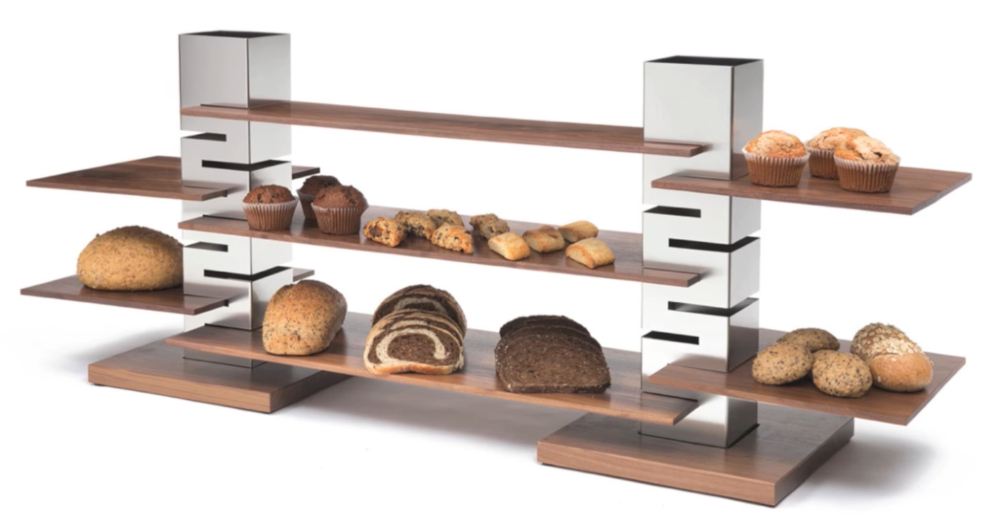
Incorporating Brand Identity into Buffet Display Stands

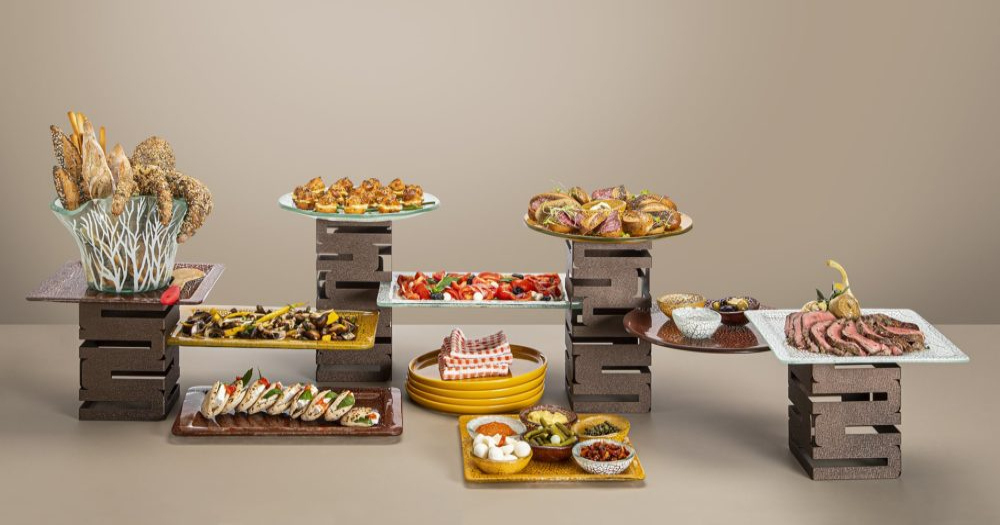
buffet stands

A strong brand identity can distinguish a hotel or cafe from its competitors. One often overlooked area to reinforce your brand is buffet display stands. This article delves into how you can weave your brand identity into your buffet display stands, contributing to a cohesive and memorable brand experience.

Reflecting your aesthetic through design

The design of your display stands is a significant opportunity to reflect your brand’s aesthetic. A well-chosen design can subtly convey your brand’s personality and enhance the overall ambiance of your buffet.

If your brand leans towards a modern and sleek aesthetic, minimalist designs with clean lines and neutral colors would work. For a more traditional or rustic brand, display stands made of natural materials like wood or wrought iron would be more fitting.

The Ace Hotel in New York, known for its industrial-chic aesthetic, does this brilliantly. They use minimalist metal display stands that perfectly complement their overall design theme.

Incorporating your brand’s logo and color scheme

Incorporating your brand’s logo and color scheme into your display stands can create a visual link between your buffet and your brand, reinforcing brand recognition among your customers.

Your logo could be etched onto the stands or used in small, tasteful accents. The color scheme of your display stands could align with your brand’s primary colors or incorporate complementary colors.

For instance, Starbucks Reserve Roastery locations often incorporate their dark green color scheme and subtle logo usage into their buffet and food display stands, creating a unified brand experience.

Selecting themes that align with your brand

Creating a thematic approach to your buffet display stands can do more than just serve food. It can offer a narrative that aligns with your brand’s identity and ethos. A well-chosen theme can engage guests at a deeper level, making their dining experience more memorable and unique.

Your buffet display stand theme should echo your brand story or principles. For instance, if your brand is about sustainability and locally sourced produce, incorporating a nature-inspired theme could work beautifully. You could choose stands made of reclaimed wood or bamboo and complement these with natural elements. Such as leaves or edible flowers for decoration.

Real life examples

The Noma restaurant, famous for its commitment to local, seasonal ingredients, uses natural materials like stone and wood in its display stands. It emphasizes its connection to the local environment and seasons.

On the other hand, if your brand is more about high-tech and innovation, an ultra-modern theme using metallic or acrylic stands with LED accents could effectively reflect this. You could consider stands with built-in screens displaying engaging content about your food, such as its nutritional information or origin stories.

Take, for instance, the Inamo restaurants in London. They are known for their innovative use of technology in dining. Their buffet area could easily mirror this with futuristic, tech-enhanced display stands.

If your brand is rooted in a specific cultural heritage, using a theme that showcases that heritage can create a unique, immersive dining experience. Display stands could incorporate traditional design motifs, colors, or materials associated with that culture.

For example, a Mexican restaurant brand focused on authentic experience might use vibrant, hand-painted ceramic stands. It would reflect the country’s rich artisan traditions. A Japanese sushi bar might choose display stands designed to resemble traditional sushi serving platters. It would enhance the cultural authenticity of the dining experience.

Consistency: the key to a cohesive brand experience

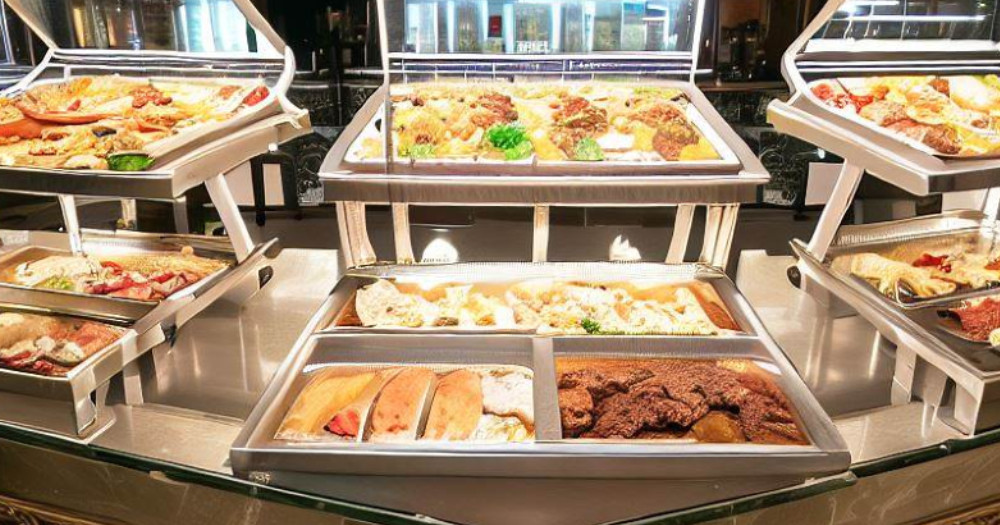
buffet display stands

Consistency across all visual elements in your buffet area is essential to create a seamless and impactful brand experience. Ensure that the designs, colors, and themes of your display stands are consistent with each other. Furthermore, they should also be consistent with other elements in your buffet area. Such as signage, menu design, table setup, etc.

For instance, the decor at Pret a Manger outlets is uniformly simple and modern, with wood and steel elements. They are consistent with their display stands, creating a uniform and instantly recognizable brand aesthetic.

Conclusion

By thoughtfully integrating your brand identity into your buffet display stands, you can turn a functional item into a powerful branding tool. Whether it’s through design or color, well-branded display stands can create a cohesive brand experience. Remember, every touchpoint matters in building and reinforcing your brand identity.

If this article helped in incorporating brand identity into buffet display stands, you might want to check out our other articles, like these:

For more extra information on maximizing the furniture you choose, as well as product exposure. And other display stand types that boost sales.

The Appeal of Wooden Easel Stands in Marketing

easel stand aesthetics

In the realm of marketing, presentation plays a pivotal role. From trade shows to retail displays, how a product or message is showcased can significantly impact its perception. Enter wooden easel stands – a blend of form and function that’s been adding charm to marketing strategies.

Let’s explore the allure of these stands. We will be focusing on their aesthetic appeal, durability and how to select the perfect one for your needs.

The art of presentation

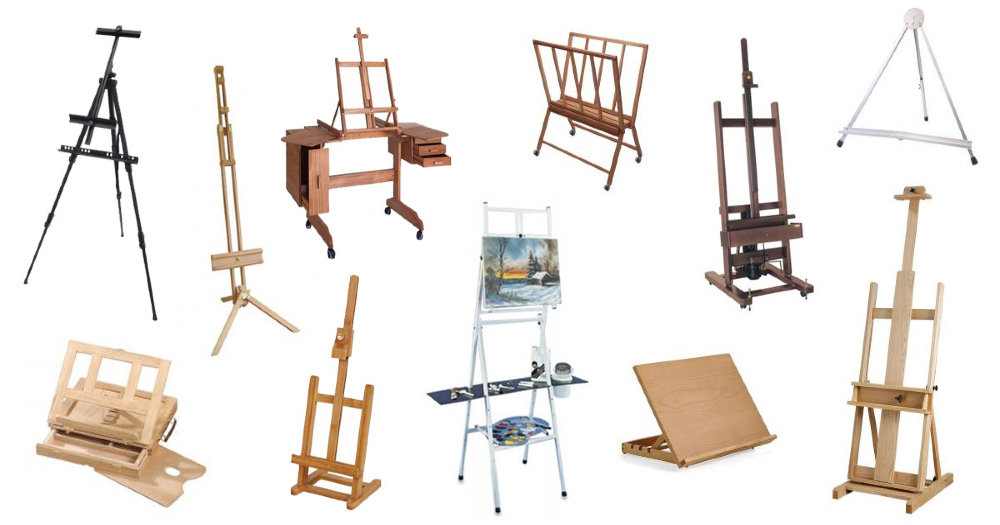
wooden easel stands

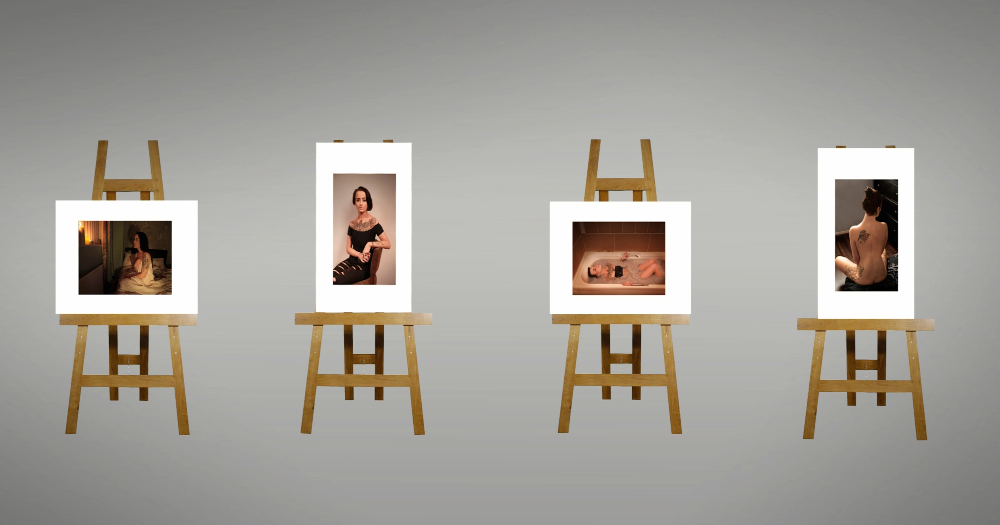
An easel stand isn’t just a support structure. It’s part of the overall presentation. The aesthetic value it brings to your display can influence how customers perceive your brand. Their natural texture and grain bring warmth and an organic feel that’s hard to replicate with other materials. These stands can enhance a variety of settings, from an artisanal boutique to an upscale gallery, adding character and visual interest to your display.

Moreover, easel stands are highly versatile. They can be painted or stained to match any color scheme and can accommodate various styles, from minimalist modern to ornate vintage designs. For example, a sleek, black-stained easel could provide an elegant contrast for a vibrant painting in a gallery. While a distressed, whitewashed easel might be the perfect backdrop for artisanal soaps in a boutique.

The role of durability

While the aesthetic appeal of wooden easel stands is evident. However, their durability is an equally important factor in their popularity in marketing. Wooden easel stands are known for their robustness. High-quality wood can withstand weight and wear, making these stands ideal for frequent use. Different types of wood offer varying degrees of strength and durability, catering to a range of display needs.

This durability extends to outdoor use as well. With the right treatment and care, wooden easel stands can withstand the elements. It makes them a reliable choice for outdoor events or displays. Picture a local farmer’s market. A stained and sealed wooden easel can brave the elements while proudly displaying the day’s specials.

Tips for choosing easel stands

Selecting the right easel stand involves more than just assessing its physical attributes. It’s about finding a stand that aligns with your brand story and aesthetic.

Here are some tips for choosing the right easel stand:

  • Consider the image you want to portray. If your brand values tradition and craftsmanship, a hand-carved easel made of rich mahogany might resonate with your ethos. If you’re a modern art gallery, a minimalist easel in a neutral tone could complement your exhibits without detracting from them.
  • Keep in mind the setting. If you’re setting up at an outdoor event, a rugged, rustic easel might fit in perfectly with the natural environment. A polished and stained easel might better match the sophisticated decor you’re displaying at an upscale trade show.
  • Easel stand is an extension of your brand and display. It’s not just about holding up a product or sign – it’s about adding an extra layer of interest, detail, and character to your presentation.

By considering aesthetics, durability, and brand alignment, you can choose a wooden easel stand that serves a practical purpose and enhances the overall impact of your marketing efforts.

Maintenance and care

The aesthetic appeal and durability of wooden easel stands make them a worthy investment in marketing. To ensure these stands continue to serve their purpose and retain their charm, proper maintenance, and care are crucial.

Here are some useful tips:

  • Clean your easel stands regularly. Regularly dust off the surface and, when necessary, clean it with a mild wood cleaner. Avoid harsh chemicals that can damage the wood’s finish.
  • Keep your easel in an environment with stable temperature and humidity. Extreme conditions can cause wood to warp or crack. If you’re using the easel outdoors, ensure it’s adequately protected against moisture and sunlight.
  • Repair minor damage promptly. Small scratches or chips can often be fixed with a bit of touch-up paint or stain. For more severe damage, you might need to sand the area and refinish it.

With these steps, your wooden easel stand can continue to be an appealing and durable component of your marketing strategy long term.

Easel stands in marketing

Wooden easel stands are more than just functional items; they’re powerful marketing tools that can enhance the presentation and perception of your brand.

From retail stores to art galleries, wooden easel stands can elevate the visual appeal of any display. Their rustic charm brings warmth and authenticity, while their durability ensures they can withstand daily use and the rigors of various environments. Choosing the right easel stand is an art in itself, requiring a keen understanding of your brand and audience. But with careful selection and proper care, these stands can become a valuable asset in your marketing toolbox.

So next time you plan a product display or organize an event, consider the power of easel stands. Their blend of aesthetics and durability could be the missing piece in your marketing puzzle. It offers a unique and impactful way to present your brand to the world. If you want to expand your knowledge in advertising different marketing furniture and best practices and tips for it, make sure to check out this page for more information.

Visual Merchandising Techniques with Vendor Display Stands

Vendor display stands provide businesses with an excellent opportunity to showcase their products in a captivating way and enhance customer engagement. The art of visual merchandising, the practice of presenting products in a way that is appealing, plays a crucial role in driving sales and strengthening a brand’s image.

In this article, we will explore visual merchandising principles for vendor display stands. Techniques for arranging products and utilizing space, and tips for storytelling and creating engaging narratives.

Visual merchandising principles for vendor display stands

Visual merchandising is more than simply arranging products on a stand. It’s a strategic practice that leverages aesthetics to stimulate customers’ interest and influence purchasing decisions.

Here are some key principles that govern visual merchandising for vendor display stands:

  • Balance, whether symmetrical or asymmetrical, is crucial for maintaining visual harmony. Symmetrical displays create a sense of order, while asymmetrical ones bring dynamism and interest.
  • A focal point draws customers’ attention to a particular area of the stand. This could be a best-selling product, a new release, or a promotional item.
  • Repeating certain elements, such as color, shape, or product type, can create a sense of cohesion and harmony.
  • Contrast, achieved through colors, shapes, or textures, can make a display stand out and attract customers’ attention.

These are some of the many merchandising principles for vendor display stands to make customers interested in your brand and make a purchase.

Arranging products and utilizing space

Effective product arrangement and space utilization can significantly enhance the appeal of a display stand.

Here are some techniques:

Pyramid principle

Arrange products in a pyramid or triangle shape, with the highest point in the center. This arrangement guides the customer’s eye naturally from top to bottom and side to side.

The rule of three

This principle suggests that groupings of three are inherently more appealing and memorable to the human eye than other numbers.

Utilize different levels

Play with different levels and heights to make your display more interesting and dynamic. This can also be a great way to emphasize specific products.

Don’t overcrowd

While it’s essential to utilize space effectively, avoid overcrowding. Each product should have its own ‘breathing space’ to stand out.

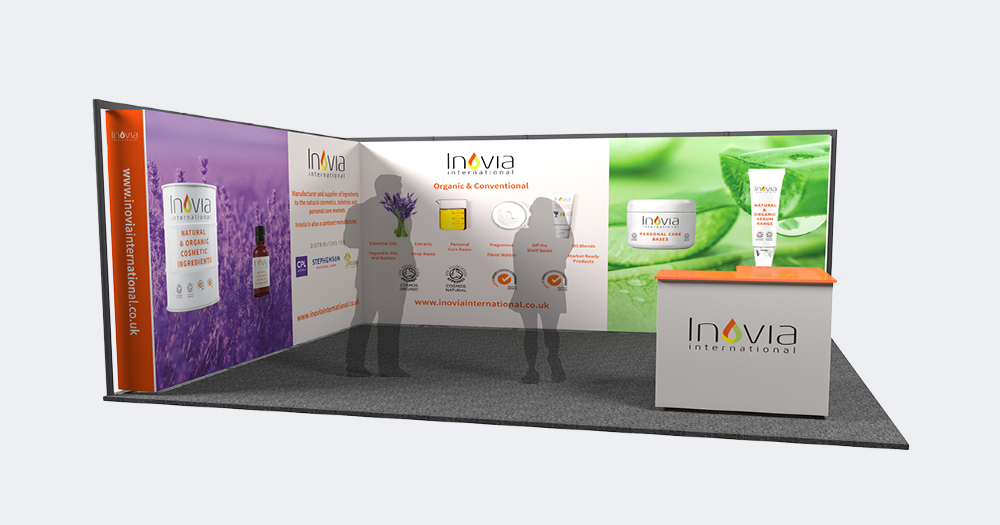
inovia vendor display stand

Storytelling and creating engaging narratives

Stories captivate people; they bring products to life and create an unforgettable connection with customers. Storytelling and connecting emotionally with your audience is the most effective way to make customers more engaged and invested in your product or service.

Here’s how you can leverage storytelling on your display stand:

Create a theme

A theme can serve as the plot of your story. This could be anything from a holiday, season, or color, to a lifestyle concept.

Use signage

Signage can be used to provide context and details that contribute to the story. This could be information about the product’s origin, how it was made, or its benefits.

Incorporate props

They can add depth to your story and make it more engaging. Prop should complement the products and not distract from them.

Examples of effective visual merchandising

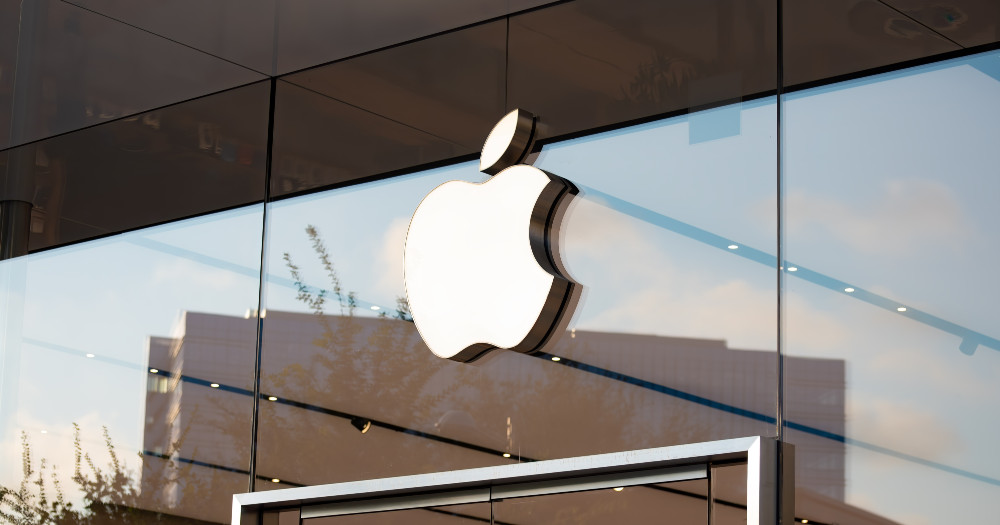
apple visual merchandising

There are many brands that have successfully leveraged visual merchandising techniques to enhance their vendor display stands.

Apple

Apple’s display stands are renowned for their minimalist design. Products are displayed against a clean, white background, and each product has ample space to stand out. This aligns with Apple’s brand identity of simplicity and premium quality.

Lush Cosmetics

Lush uses vibrant colors, distinctive shapes, and inviting scents to attract customers. Their products are often arranged in a pyramid shape, with signage providing information about ingredients and usage.

Conclusion

Visual merchandising is an art that requires strategic planning and creativity. By leveraging key principles, arranging products effectively, utilizing space wisely, and using storytelling to create engaging narratives, businesses can craft compelling vendor display stands that attract and captivate customers, ultimately driving sales and enhancing brand image.

The combination of these elements brings the products to life, evoking emotions and providing a memorable shopping experience for customers. Successful brands like Apple and Lush Cosmetics demonstrate the power of effective visual merchandising in drawing in consumers and creating a lasting impression. As you create or redesign your vendor display stands, consider these principles and techniques to maximize their impact.