
Advertising

Evolution of Digital Outdoor Advertising from Billboards to DOOH

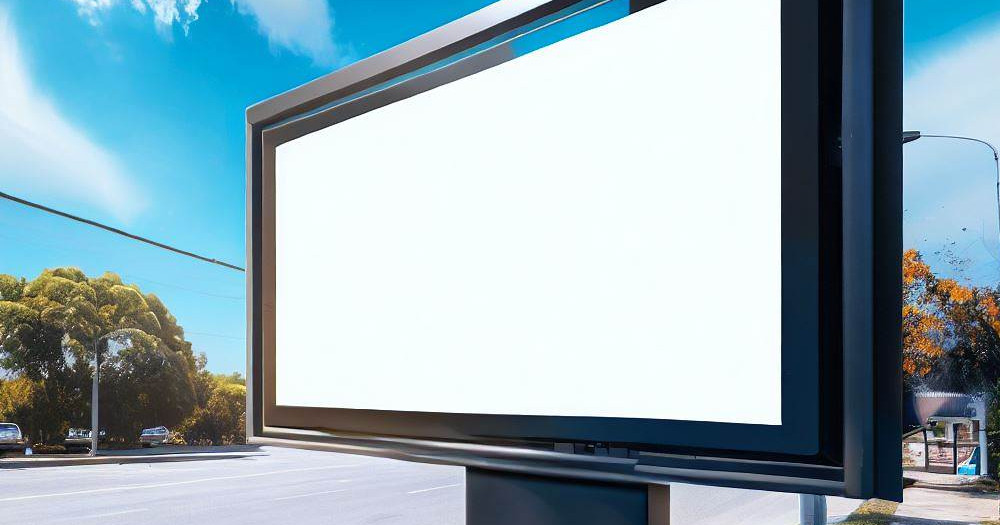
billboard outdoor advertising

Outdoor digital advertising has been an essential part of the advertising industry for centuries. However, with the advent of new technology, it has evolved significantly.

This article explores the transition from traditional billboards to Digital Out-of-Home (DOOH) advertising. We will be discussing the technological advancements, shifting consumer habits, and benefits of digital platforms that have shaped this evolution.

Traditional billboards
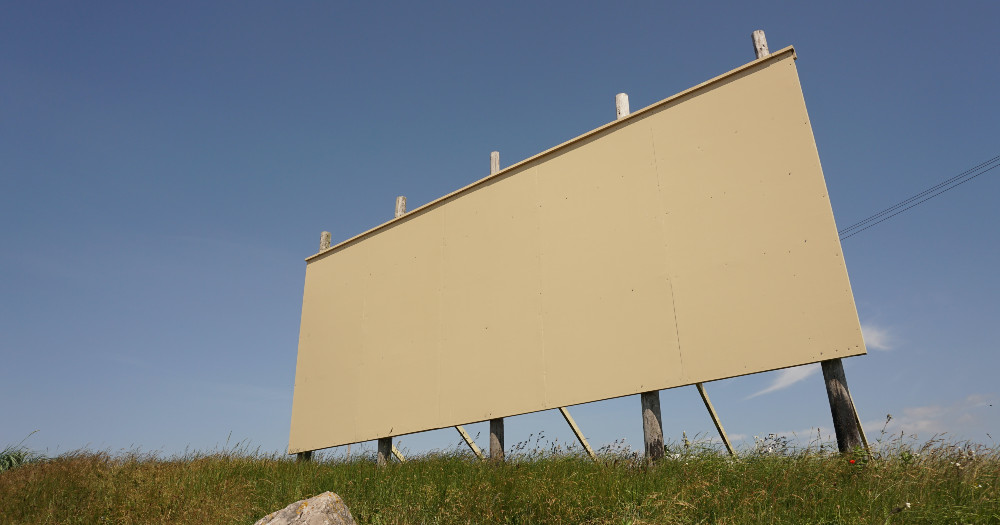
traditional billboards digital outdoor advertising

Traditional billboards have been a staple of outdoor advertising for many years. Typically located along highways or busy city streets, these large-scale ads offer marketers the opportunity to reach a wide audience.

Traditional billboards are static, printed advertisements, often leased for a period ranging from a few weeks to several months. They offer high visibility, especially in high-traffic areas. However, their static nature means that they can only display a single ad until they are manually replaced.

Billboards for iconic brands like Coca-Cola or McDonald’s are ubiquitous and have become part of the cultural landscape in many cities. Despite their widespread use, traditional billboards have limitations. Including the cost and effort required to change the displayed ads and the inability to target specific audiences or adapt to different times of day.

Introducing DOOH

Digital Out-of-Home (DOOH) advertising represents a significant advancement in the outdoor advertising space. By replacing printed images with digital screens, DOOH allows for dynamic, adaptable, and interactive advertising.

Such ads are displayed on digital screens, which can range from large digital billboards to smaller displays in locations like bus stops, shopping centers, or airports. DOOH ads can be changed in real-time, allowing advertisers to display different ads at different times of the day, react to current events, or even interact with audiences.

DOOH has led to some truly innovative advertising campaigns. For example, British Airways ran a DOOH campaign where their ads – displayed on digital billboards – would interact with their planes flying overhead, with the ad showing the flight number and destination of the plane. This level of interactivity and real-time relevance is something that traditional billboards simply cannot match.

Technological advancements fueling DOOH

Several key technological advancements have driven the rise of DOOH. The development of high-quality digital screens that can withstand outdoor conditions made the transition from print to digital billboards possible.

Aside from the screens themselves, advancements in data collection and analytics have also fueled DOOH’s growth. Modern DOOH platforms can collect data on passers-by (such as the number of people, their speed, and even demographic info in some cases), allowing for improved audience targeting and measurement. Furthermore, the rise of programmatic advertising platforms has made it easier for advertisers to manage and optimize their DOOH campaigns.
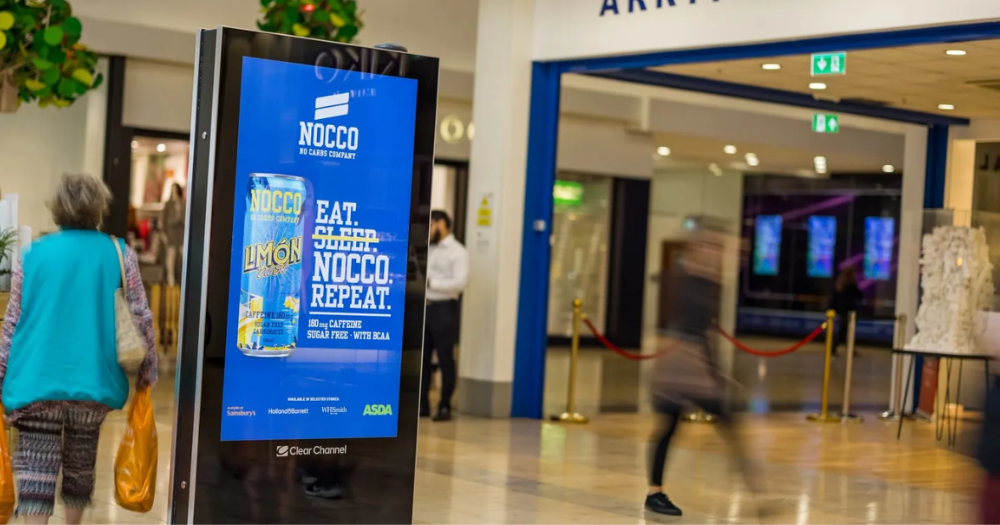
dooh outdoor advertisement

Changing consumer habits

Just as important as technological advancements are the changing habits of consumers. With the widespread use of smartphones, consumers are more connected than ever – a fact that DOOH advertising takes advantage of.

DOOH can interact with mobile devices in various ways – for example, through QR codes that direct users to a website or app, or through technology like Bluetooth or geofencing. This ability to bridge the gap between the physical and digital worlds is a key advantage of DOOH.

The benefits of digital platforms

The shift to digital platforms has brought several benefits to outdoor advertising. For example, real-time updates, audience targeting, and advanced analytics capabilities.

The use of digital platforms in DOOH advertising brings an unprecedented level of flexibility. Ads can be updated in real-time. It allows advertisers to react to events instantaneously or change their message depending on the time of day or other factors. Audience targeting can be based on real-time and historical data, ensuring the ad’s relevancy to its viewers. Advanced analytics can provide detailed insights about who is viewing the ads and how they’re interacting with them. It enables advertisers to measure the effectiveness of their campaigns more accurately.

For example, a coffee company can advertise its breakfast menu in the morning. Then they can switch to lunch items in the afternoon, and promote its dinner menu in the evening. All on the same DOOH display. During a heatwave, a clothing retailer can promote its range of shorts and summer dresses. This ability to adapt advertising content in real time is a game-changer for the industry.

The future of digital outdoor advertising

As we look forward, the fusion of technology with outdoor advertising promises even more exciting possibilities. Advancements like augmented reality (AR), artificial intelligence (AI), and machine learning will likely play increasingly significant roles in DOOH. By continuing to adapt and innovate, DOOH will remain an influential player in the advertising landscape.

Conclusion

The evolution from traditional billboards to DOOH represents a revolution in outdoor advertising. This shift has been driven by technological advancements, changing consumer habits, and the myriad benefits offered by digital platforms. DOOH will continue to provide advertisers with dynamic, flexible, and effective ways to reach and engage their audiences.

If you found this article helpful in getting to know the evolution of outdoor digital advertisements and want to know more, check out – design effective content for outdoor digital signage article. To expand your knowledge even more, check out our website.
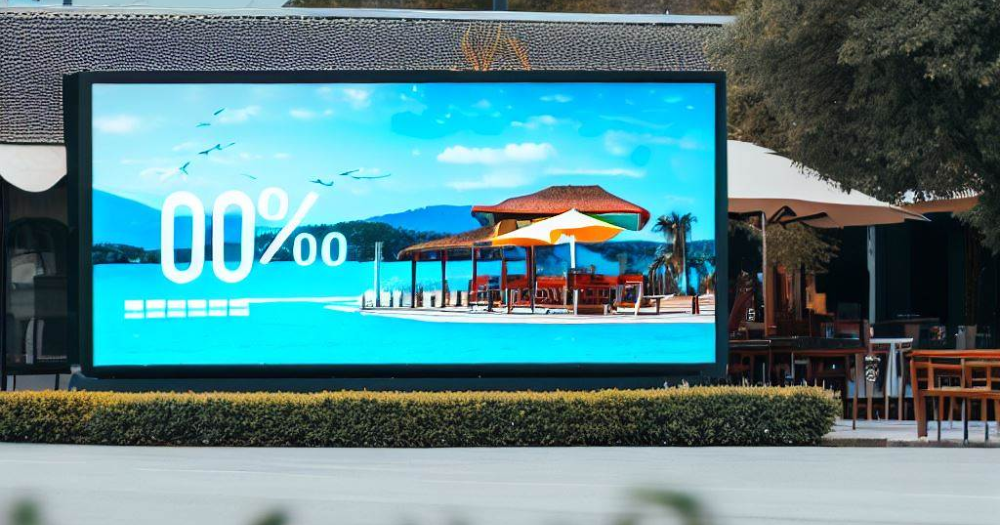
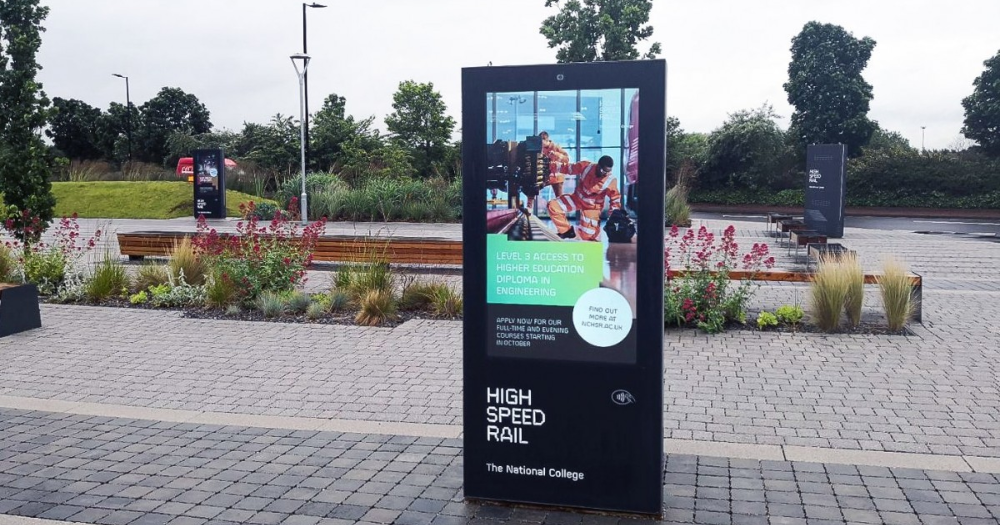
How to Design Effective Content for Outdoor Digital Signage

digital signage in outdoor environment

It’s a digital world out there, and outdoor digital signage is playing a starring role in capturing attention and conveying messages. But not all digital signage is created equal.

The design of your content can make all the difference between success and failure. So, let’s dive in and explore the elements that make up effective digital signage content.

The importance of clarity

The essence of any good digital signage is its message. As passersby often only glance at a sign for a few seconds, your message must be crystal clear and quickly understandable. Avoid information overload; instead, focus on one primary message that viewers can absorb instantly. 

For example, a restaurant might have a digital sign saying, “Enjoy 50% Off All Main Courses Today – Step Inside Now!” It’s clear, direct, and it includes a call-to-action that encourages the viewer to enter the restaurant and avail of the promotion.

Attractive visuals

Visuals play an integral role in digital signage content. High-quality images, engaging videos, and creative graphics can make your signage more compelling and memorable. Remember, your sign has to compete with many other visual stimuli in the environment, so it needs to stand out. Use high-contrast colors to ensure visibility and keep it consistent with your brand.

Consider digital signage for a pet store with high-quality, vibrant images of adorable pets and their products. The visuals would catch the eye and evoke emotional engagement, making the sign more impactful. Learn more about attractive visuals here – The Art of Visual Merchandising Using Retail Shelving.

Readability

When it comes to outdoor digital signage, readability is crucial. If people can’t read your sign easily from a distance, they will simply move on. Choose fonts that are clean and large enough to be seen from afar. Also, consider the viewing distance and angle when determining font size and type. 

For instance, digital signage on a highway should have a larger font size than on a sidewalk. An effective example would be a coffee shop’s digital signage displaying “Fresh Coffee – Only $2” in large, bold fonts, clearly visible to pedestrians and motorists passing by.

outdoor signage with good readability

Consistency with brand identity

Digital signage provides a fantastic opportunity to strengthen your brand identity. From the colors and fonts you choose to the style of imagery and tone of messaging, every element should reflect your brand. Consistency across all your signage and other marketing materials can reinforce your brand identity and make your signage more recognizable.

Imagine a tech company known for its minimalist design aesthetic. Its outdoor digital signage that features a sleek, modern design with a lot of white space, a simple sans serif font, and the company’s logo prominently displayed would immediately be recognizable as belonging to that brand.

Staying ahead in the game

In this digital era, staying updated with technology is a must. Use cutting-edge software for creating your digital signage content – software that enables you to edit your content effortlessly, try different design elements, and preview your design before it goes live.

Furthermore, with the emergence of AI and analytics, you can now measure the effectiveness of your digital signage content. So, embrace these technologies, and let data guide your content design strategy.

Testing and adjusting

outdoor digital signage

Remember, designing effective digital signage content isn’t a one-and-done task. It’s an ongoing process that involves testing different elements, gathering feedback, and making adjustments. 

You can use technology like eye-tracking software or digital signage analytics to get a better understanding of what’s working and what’s not. Always strive for continuous improvement. For instance, a retail store can try different digital signage content strategies during peak hours, analyze the foot traffic and sales data, and decide which strategy works best.

Conclusion

The ultimate goal of your outdoor digital signage is to create an impact. The right design can make your sign impossible to ignore, successfully delivering your message to your audience and encouraging them to engage with your brand. 

Keep your messaging clear and compelling, visuals eye-catching, and ensure your content is easily readable. Above all, remember to echo your brand identity across all your designs. 

By combining these principles, you can create effective content that not only informs and engages your audience but also leaves a memorable imprint on your brand. Remember, the power of design is immense, and in the realm of outdoor digital signage, it holds the key to standing out and getting noticed.

Maximizing Product Exposure with Promotional Sampling Booths

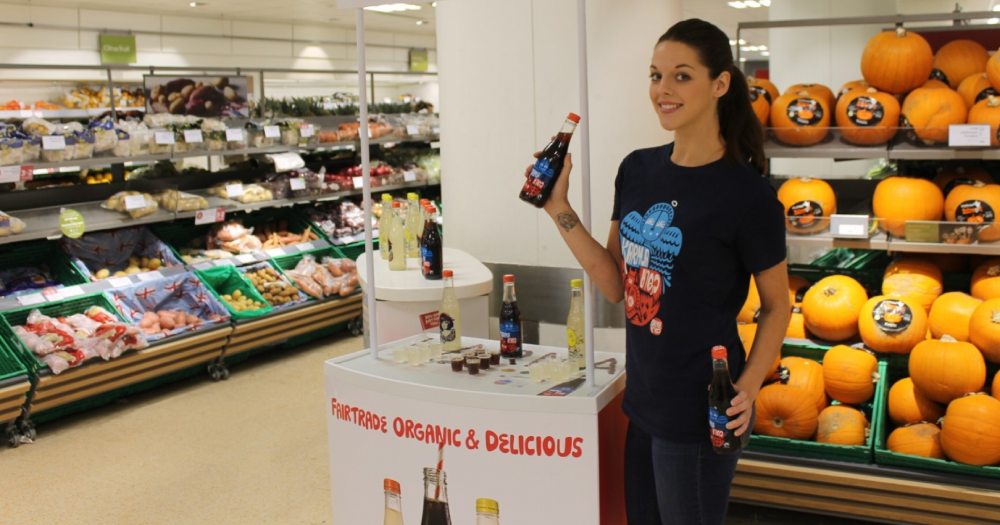
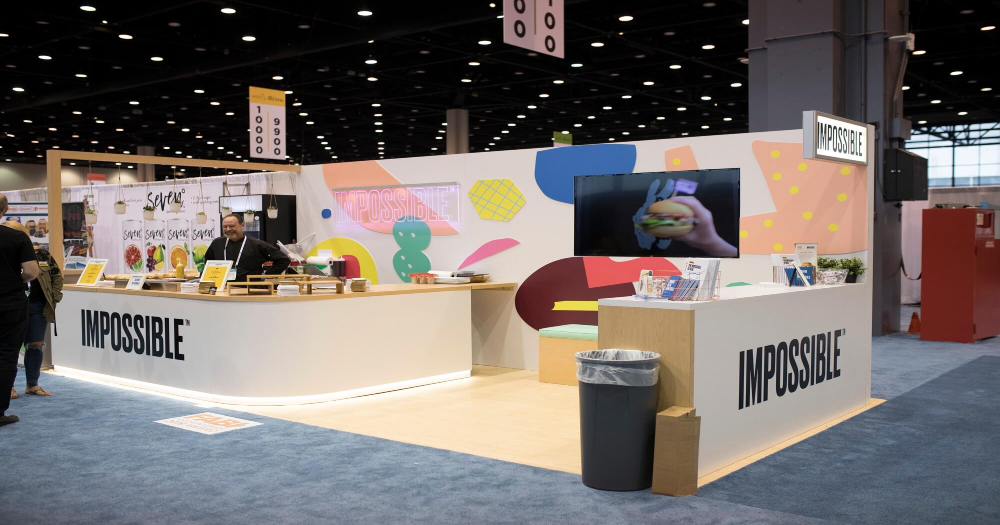
Promotional Sampling Booths

Promotional sampling booths are an excellent way to showcase your products. But it is important to stand out from others. If you will do it the right way, promotional booths can help you create brand awareness and connect with potential customers. 

However, the effectiveness of your promotional sampling booths hinges on its design and setup. So in this article, we will take a look into how to design engaging and effective promotional sampling booths for product sampling. 

We’ll cover the visual appeal of the booth, product display strategies, incorporation of brand elements, and practical considerations like space management and event guideline compliance.

1. Create a visually appealing booth

The first impression of your booth plays a significant role in attracting people. Especially if your booth is amongst others. Then standing out with a visually creative and appealing booth is especially important. 

To create a visually appealing booth that drives curiosity, take care of:

  1. Color – make sure to utilize your brand’s colors in your booth design to create an eye-catching and consistent look. For example, if your brand colors are blue and white, you might have a blue backdrop with your logo and white tables for product display.
  2. Lighting – good lighting can make your booth appear inviting and help highlight your products. Consider using spotlighting for featured products or soft, ambient lighting to create a warm, welcoming atmosphere.
  3. Signage – use clear, easy-to-read signage that communicates who you are and what you’re offering. A well-designed banner hanging above your booth can help attendees locate and remember you.

All in all, in a sea of booths, yours needs to stand out. It should draw people’s eyes and make them curious about what you’re offering.

2. Make sure to display your products effectively

The way you display your products can impact the ease of access and the testing experience for visitors. Product exposure is very crucial so make sure you master your skills on it. 

For effective product displays make sure to take care of accessibility. Ensure your products are easily accessible for attendees to sample or test. If possible, allow visitors to touch, feel, and use your product.

Use multi-level displays to make the most of your space and allow visitors to see products from different angles. Also make sure you’re highlighting key products. If you have a new or flagship product, position it prominently in your display and consider using signs or lighting to draw attention to it.

Your products should be the star of your booth. How they’re displayed can affect how readily attendees approach, interact with, and remember them.

3. Incorporate your brand elements

Incorporating your brand elements into your booth design can enhance brand recognition and recall.

To incorporate brand elements take care of:

  • Logo – ensure your logo is visible from various angles and distances. This might involve placing it on banners, backdrops, tables, and staff uniforms.
  • Branding message – if you have a tagline or a specific marketing message, display it prominently in your booth. This could be a printed sign or digital display.
  • Brand personality – reflect your brand’s personality in your booth’s design. If your brand is fun and youthful, you might use bright colors and playful decorations. If it’s sophisticated and luxury-oriented, you could opt for a sleek, minimalist design.

Your booth is not just a platform for product sampling; it’s a representation of your brand. The design and feel of your booth should reflect your brand’s personality and values.

4. Take care of practical considerations

While the aesthetic of your booth is important, don’t overlook the practical considerations. An effective booth design also takes into account the comfort of both staff and visitors, ensures the space is used efficiently, and complies with event guidelines.

Ensure there is enough space for staff to move around and for visitors to comfortably explore your products. This might involve using compact furniture, arranging displays strategically, and avoiding clutter.

If possible, choose a location with high foot traffic, such as near entrances, food areas, or along main walkways.

Also review the event’s rules and regulations for booths, including size limitations, allowed materials, and set-up or take-down procedures. Make sure your design conforms to these guidelines.

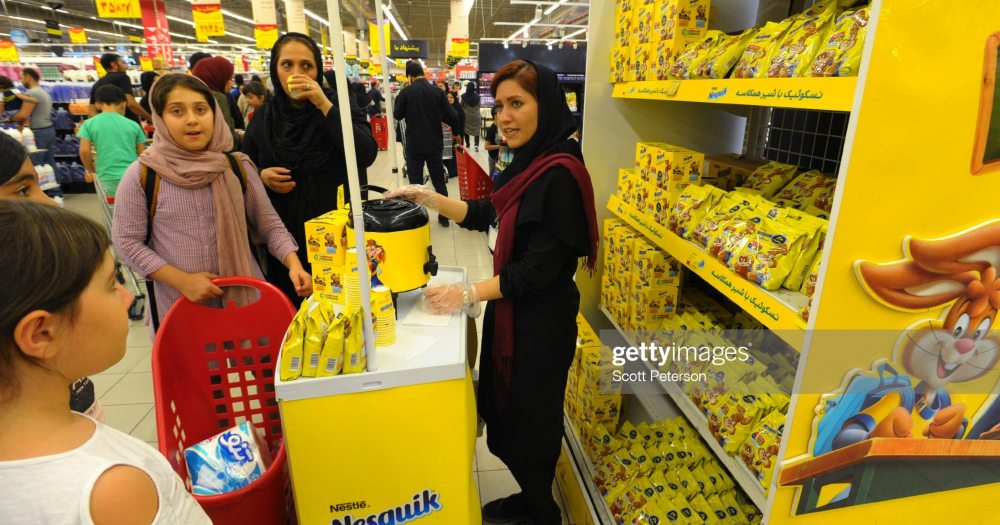
Promotional Sampling Booths

5. Try creating interactive experiences

Adding interactive elements can make your booth more engaging and memorable. In an era where experiential marketing is gaining significant traction, offering interactive experiences at your promotional booth can substantially enhance visitor engagement and dwell time. 

It can transform your booth from a mere point of information to an immersive, hands-on experience that resonates with attendees long after the event.

Here are some ideas!

Product demonstrations

Product demonstrations serve a dual purpose – they entertain and educate. By showing your product in action, you can attract a crowd, provide a clear understanding of how the product works, and highlight its benefits. 

For example, if you’re showcasing a new kitchen gadget, doing live cooking demonstrations using the gadget can be quite effective. Attendees can see the gadget’s practical use, taste the results, and ask questions about its features or operation. 

A well-executed product demonstration can be a powerful tool to persuade attendees of the value your product brings to their lives.

Digital interaction

The integration of digital elements into your booth can elevate the visitor experience to a new level. Touch screens offering detailed product information allow visitors to explore your product’s features at their own pace, while tablets or kiosks could be set up for visitors to sign up for newsletters, participate in digital contests, or place orders directly.

Social media sharing stations where visitors can share branded photos or videos from your booth help extend your reach beyond the event’s physical boundaries. Consider creating a unique event hashtag for visitors to use when sharing, increasing your brand’s visibility online.

Augmented reality (AR) experiences can be particularly engaging. For instance, if your product is a home furnishing item, an AR app could allow visitors to visualize how it would look in their own homes. These digital experiences can provide attendees with a memorable, personalized interaction with your brand.

Games or contests

Games or contests can make your booth fun and inviting. They offer a break from the standard product pitch, stimulating interest and fostering a more relaxed and engaging atmosphere. The game or contest should be simple, quick, and related to your product or brand!

For example, if you’re promoting a new brand of tea, you could host a ‘guess the ingredient’ contest. Winners could receive small prizes like a sample pack of your teas. Such activities not only entertain but also help you gather attendee contact information for post-event follow-up.

Games also present opportunities for attendees to interact with each other, fostering a sense of community around your brand. Offering a leaderboard or announcing winners throughout the day can further promote engagement and excitement around your booth.

By offering these interactive experiences, you create opportunities for deeper connections between the attendees and your brand, making your promotional sampling booth not just a place to learn about a product, but a memorable part of their event experience.

Conclusion

In conclusion we can say that designing effective promotional sampling booths requires strategic thinking, creativity, and attention to detail. 

We hope this article was helpful to you! Remember that by creating a visually appealing design and addressing practical considerations, you can maximize your product’s exposure. 

Make sure to check out our other related articles:

Happy planning, and here’s to a successful event!

The Appeal of Wooden Easel Stands in Marketing

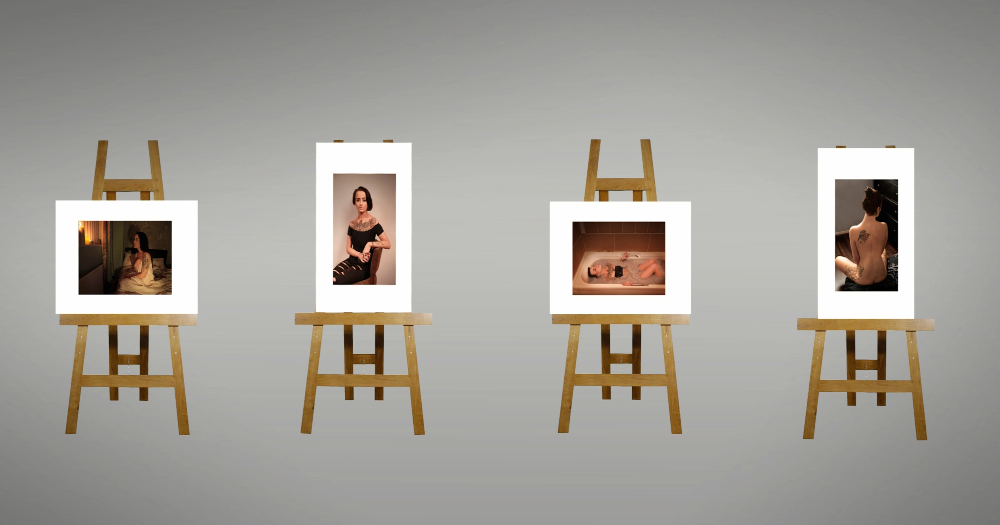
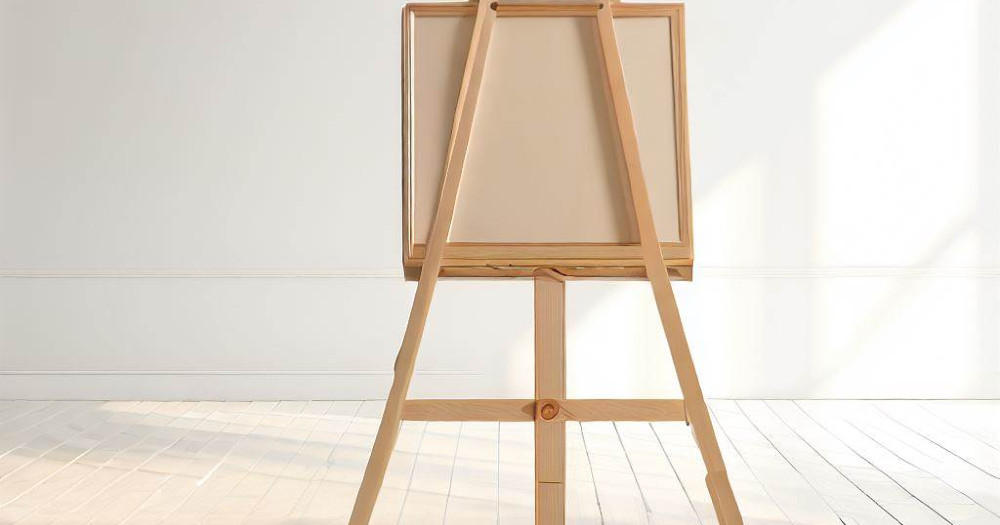
easel stand aesthetics

In the realm of marketing, presentation plays a pivotal role. From trade shows to retail displays, how a product or message is showcased can significantly impact its perception. Enter wooden easel stands – a blend of form and function that’s been adding charm to marketing strategies.

Let’s explore the allure of these stands. We will be focusing on their aesthetic appeal, durability and how to select the perfect one for your needs.

The art of presentation

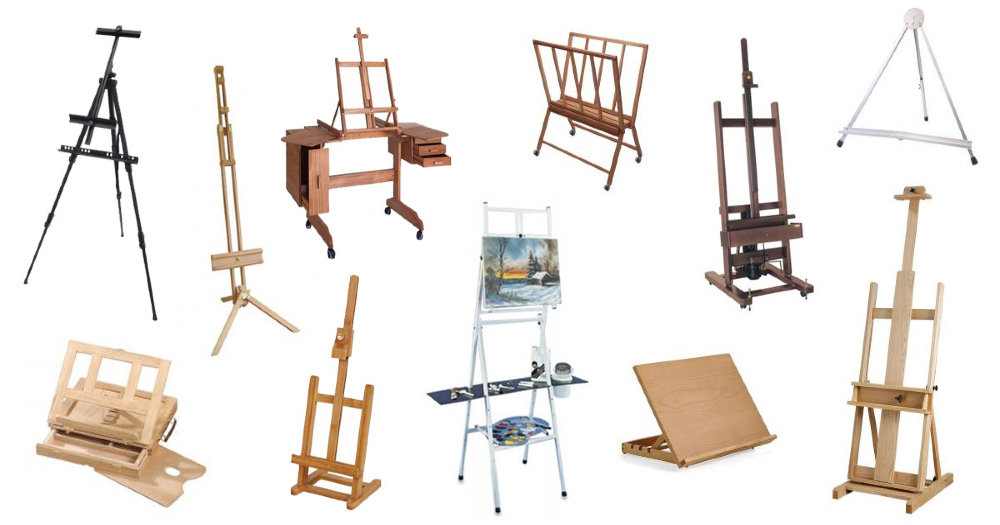
wooden easel stands

An easel stand isn’t just a support structure. It’s part of the overall presentation. The aesthetic value it brings to your display can influence how customers perceive your brand. Their natural texture and grain bring warmth and an organic feel that’s hard to replicate with other materials. These stands can enhance a variety of settings, from an artisanal boutique to an upscale gallery, adding character and visual interest to your display.

Moreover, easel stands are highly versatile. They can be painted or stained to match any color scheme and can accommodate various styles, from minimalist modern to ornate vintage designs. For example, a sleek, black-stained easel could provide an elegant contrast for a vibrant painting in a gallery. While a distressed, whitewashed easel might be the perfect backdrop for artisanal soaps in a boutique.

The role of durability

While the aesthetic appeal of wooden easel stands is evident. However, their durability is an equally important factor in their popularity in marketing. Wooden easel stands are known for their robustness. High-quality wood can withstand weight and wear, making these stands ideal for frequent use. Different types of wood offer varying degrees of strength and durability, catering to a range of display needs.

This durability extends to outdoor use as well. With the right treatment and care, wooden easel stands can withstand the elements. It makes them a reliable choice for outdoor events or displays. Picture a local farmer’s market. A stained and sealed wooden easel can brave the elements while proudly displaying the day’s specials.

Tips for choosing easel stands

Selecting the right easel stand involves more than just assessing its physical attributes. It’s about finding a stand that aligns with your brand story and aesthetic.

Here are some tips for choosing the right easel stand:

  • Consider the image you want to portray. If your brand values tradition and craftsmanship, a hand-carved easel made of rich mahogany might resonate with your ethos. If you’re a modern art gallery, a minimalist easel in a neutral tone could complement your exhibits without detracting from them.
  • Keep in mind the setting. If you’re setting up at an outdoor event, a rugged, rustic easel might fit in perfectly with the natural environment. A polished and stained easel might better match the sophisticated decor you’re displaying at an upscale trade show.
  • Easel stand is an extension of your brand and display. It’s not just about holding up a product or sign – it’s about adding an extra layer of interest, detail, and character to your presentation.

By considering aesthetics, durability, and brand alignment, you can choose a wooden easel stand that serves a practical purpose and enhances the overall impact of your marketing efforts.

Maintenance and care

The aesthetic appeal and durability of wooden easel stands make them a worthy investment in marketing. To ensure these stands continue to serve their purpose and retain their charm, proper maintenance, and care are crucial.

Here are some useful tips:

  • Clean your easel stands regularly. Regularly dust off the surface and, when necessary, clean it with a mild wood cleaner. Avoid harsh chemicals that can damage the wood’s finish.
  • Keep your easel in an environment with stable temperature and humidity. Extreme conditions can cause wood to warp or crack. If you’re using the easel outdoors, ensure it’s adequately protected against moisture and sunlight.
  • Repair minor damage promptly. Small scratches or chips can often be fixed with a bit of touch-up paint or stain. For more severe damage, you might need to sand the area and refinish it.

With these steps, your wooden easel stand can continue to be an appealing and durable component of your marketing strategy long term.

Easel stands in marketing

Wooden easel stands are more than just functional items; they’re powerful marketing tools that can enhance the presentation and perception of your brand.

From retail stores to art galleries, wooden easel stands can elevate the visual appeal of any display. Their rustic charm brings warmth and authenticity, while their durability ensures they can withstand daily use and the rigors of various environments. Choosing the right easel stand is an art in itself, requiring a keen understanding of your brand and audience. But with careful selection and proper care, these stands can become a valuable asset in your marketing toolbox.

So next time you plan a product display or organize an event, consider the power of easel stands. Their blend of aesthetics and durability could be the missing piece in your marketing puzzle. It offers a unique and impactful way to present your brand to the world. If you want to expand your knowledge in advertising different marketing furniture and best practices and tips for it, make sure to check out this page for more information.

Visual Merchandising Techniques with Vendor Display Stands

Vendor display stands provide businesses with an excellent opportunity to showcase their products in a captivating way and enhance customer engagement. The art of visual merchandising, the practice of presenting products in a way that is appealing, plays a crucial role in driving sales and strengthening a brand’s image.

In this article, we will explore visual merchandising principles for vendor display stands. Techniques for arranging products and utilizing space, and tips for storytelling and creating engaging narratives.

Visual merchandising principles for vendor display stands

Visual merchandising is more than simply arranging products on a stand. It’s a strategic practice that leverages aesthetics to stimulate customers’ interest and influence purchasing decisions.

Here are some key principles that govern visual merchandising for vendor display stands:

  • Balance, whether symmetrical or asymmetrical, is crucial for maintaining visual harmony. Symmetrical displays create a sense of order, while asymmetrical ones bring dynamism and interest.
  • A focal point draws customers’ attention to a particular area of the stand. This could be a best-selling product, a new release, or a promotional item.
  • Repeating certain elements, such as color, shape, or product type, can create a sense of cohesion and harmony.
  • Contrast, achieved through colors, shapes, or textures, can make a display stand out and attract customers’ attention.

These are some of the many merchandising principles for vendor display stands to make customers interested in your brand and make a purchase.

Arranging products and utilizing space

Effective product arrangement and space utilization can significantly enhance the appeal of a display stand.

Here are some techniques:

Pyramid principle

Arrange products in a pyramid or triangle shape, with the highest point in the center. This arrangement guides the customer’s eye naturally from top to bottom and side to side.

The rule of three

This principle suggests that groupings of three are inherently more appealing and memorable to the human eye than other numbers.

Utilize different levels

Play with different levels and heights to make your display more interesting and dynamic. This can also be a great way to emphasize specific products.

Don’t overcrowd

While it’s essential to utilize space effectively, avoid overcrowding. Each product should have its own ‘breathing space’ to stand out.

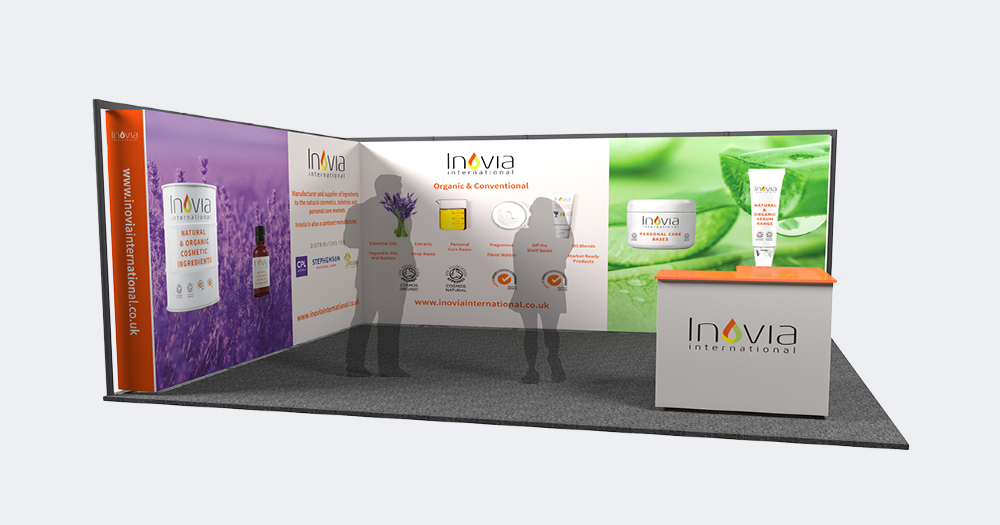
inovia vendor display stand

Storytelling and creating engaging narratives

Stories captivate people; they bring products to life and create an unforgettable connection with customers. Storytelling and connecting emotionally with your audience is the most effective way to make customers more engaged and invested in your product or service.

Here’s how you can leverage storytelling on your display stand:

Create a theme

A theme can serve as the plot of your story. This could be anything from a holiday, season, or color, to a lifestyle concept.

Use signage

Signage can be used to provide context and details that contribute to the story. This could be information about the product’s origin, how it was made, or its benefits.

Incorporate props

They can add depth to your story and make it more engaging. Prop should complement the products and not distract from them.

Examples of effective visual merchandising

apple visual merchandising

There are many brands that have successfully leveraged visual merchandising techniques to enhance their vendor display stands.

Apple

Apple’s display stands are renowned for their minimalist design. Products are displayed against a clean, white background, and each product has ample space to stand out. This aligns with Apple’s brand identity of simplicity and premium quality.

Lush Cosmetics

Lush uses vibrant colors, distinctive shapes, and inviting scents to attract customers. Their products are often arranged in a pyramid shape, with signage providing information about ingredients and usage.

Conclusion

Visual merchandising is an art that requires strategic planning and creativity. By leveraging key principles, arranging products effectively, utilizing space wisely, and using storytelling to create engaging narratives, businesses can craft compelling vendor display stands that attract and captivate customers, ultimately driving sales and enhancing brand image.

The combination of these elements brings the products to life, evoking emotions and providing a memorable shopping experience for customers. Successful brands like Apple and Lush Cosmetics demonstrate the power of effective visual merchandising in drawing in consumers and creating a lasting impression. As you create or redesign your vendor display stands, consider these principles and techniques to maximize their impact.