
Business

Growth Strategies for Online Shops

growth strategies for online shops

As the sun sets, most brick-and-mortar stores close their doors. But online shops remain forever open in the digital realm, inviting night owls and global consumers alike. It’s the allure of the online marketplace, where the world is at your fingertips. However, with boundless opportunities come challenges.

As you gaze into the vast expanse of e-commerce, you might wonder: how can your brand emerge from the shadows and bask in the limelight? We will unveil strategies to amplify your online presence and sales.

Embracing digital marketing

Digital marketing is not just about flashing advertisements on web pages or peppering social media with posts. It’s a balanced blend of art and science where creativity meets algorithmic precision. Today’s consumer is discerning, searching for genuine connections and authentic brands amidst the online noise. So, how can digital marketing can guide these customers to your online stores?

  • SEO (Search Engine Optimization): A technical yet vital tool, SEO ensures your online store ranks high in search results. You can organically increase traffic by optimizing product descriptions meta tags, and using relevant keywords.
  • PPC (Pay-per-click): PPC is a paid advertising model unlike SEO. Platforms like Google AdWords allow businesses to display ads in search results, charging them only when the ad is clicked.
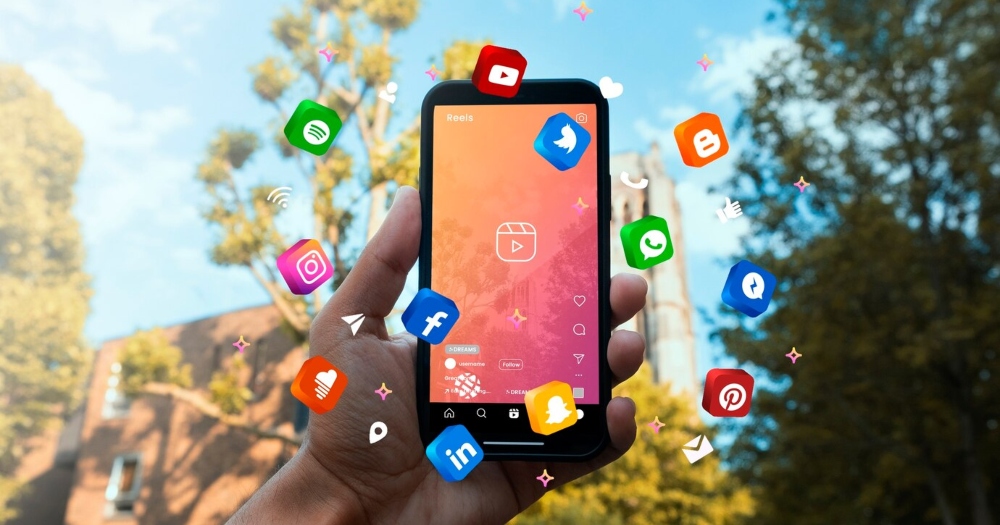
  • Social Media Advertising: Leveraging platforms like Facebook, Instagram, and Pinterest can lead to targeted ad campaigns. With their vast user data, these platforms offer precision targeting.
  • Affiliate Marketing: Collaborating with influencers or bloggers who resonate with your brand can provide a trusted channel to reach potential customers.
  • Email Marketing: Regular newsletters with personalized content can lead to higher conversion rates.

Of course, it doesn’t just end here. Ensure your marketing specials also have useful tech to improve their performance.

Standing out among competitors

The online marketplace is bustling, sometimes like a grand bazaar with countless stalls. Every brand offers something special, each with its melody amidst the cacophony. But what chords should you strike to ensure your brand’s song doesn’t just become background music but the tune everyone’s humming?

  • Unique Selling Proposition (USP): Determine what sets your store apart. It could be handcrafted items, sustainable practices, or exclusive designs.
  • Engaging Content: Product videos, blogs, or user-generated content can enhance engagement.
  • Customer Reviews: A powerful tool for building trust. Encourage satisfied customers to leave positive reviews.
  • Loyalty Programs: Offering exclusive deals or points for repeated purchases can ensure customer retention.
  • Optimal User Experience: Ensure your website is mobile-responsive, has fast load times, and has an intuitive UI/UX design.

Broadening horizons with foreign online shops

online shops online store strategies

Think of the world map. Now, envision it not as territories defined by borders but as a vast tapestry of potential customers. Venturing beyond one’s home ground is an age-old trade practice, but in the realm of e-commerce, it’s a journey fraught with both challenges and immense potential. Are you ready to sail?

  • Localization: Tailor your content to fit local cultures, including language, currency, and regional trends.
  • International SEO: Ensure your website is optimized for search engines used predominantly in your target country.
  • Global Shipping and Returns: Partner with reliable international couriers and have a clear returns policy.

If your online shop offers clothing, you can learn even more by reading our tips for advertising clothing.

Subscription models

Imagine the joy of gifting without the anxiety of choice. In a world full of options, gift cards offer a paradoxical relief: the freedom to choose within a boundary. It’s like pre-booking a customer for businesses. But is it just a festive trend or a perennial revenue stream?

Subscription services offer customers a mix of convenience, surprise, and exclusivity. Online shops can ensure regular engagement and predictable revenue by offering monthly or quarterly boxes. However, it’s crucial to keep refreshing the content to retain subscribers.

Monetizing further with sell gift cards

 Gift cards: A solution for the indecisive shopper and a revenue stream for businesses.

Selling gift cards can cater to last-minute shoppers and those unsure about size or preferences. They not only provide immediate revenue but can also attract new customers to your store.

Conclusion

Navigating the e-commerce world is akin to sailing uncharted waters: thrilling yet daunting. But with the right strategies, even the vast digital ocean can feel like a friendly neighborhood pond. May your sails always catch the wind and your stores witness unprecedented growth. Happy selling!


Tips for Advertising Clothing for Purchase

Advertising clothing

In an age where fast fashion is dominating the retail industry and the number of new clothing brands emerging every day seems endless, standing out is no minor feat. Advertising is the key to carving out your niche in this competitive market. Especially when it comes to items like women’s clothing and staple pieces like jeans, which are always in high demand. An effective advertising strategy can make or break your business. 

Hence, understanding the art of advertising is crucial for businesses of all sizes, from local boutiques to global fashion houses. 

So this article will delve into the nuances of advertising clothing for purchase, ensuring that your products not only catch the eye but also capture the hearts and wallets of your target consumers.

Make sure to understand your target audience

Before diving into the various advertising methods, it’s paramount to identify and understand your target audience. Your target audience dictates everything – from the platform you choose for advertising to the kind of imagery and language you use. 

For example, if you are selling women’s clothing, you should consider factors like age, interests, location, and spending habits of your potential customers. Is your clothing line catering to young professionals, mothers, teenagers, or another demographic? Understanding this will help in tailoring your ads more effectively. 

Moreover, jeans, being a universal clothing item, can be targeted towards almost everyone. However, the style, cut, and design can cater to specific groups. For example, high-waisted skinny jeans might appeal more to younger audiences, while classic straight-cut jeans might attract an older demographic.

Knowing your target audience is the foundation of any successful advertising campaign. By understanding their needs and preferences, you can position your clothing line to resonate more deeply.

Advertising clothing jeans

Choose the right advertising platforms

Once you know your audience, the next step is to identify where they spend their time and which platforms will be most effective for your advertisements.

Different platforms cater to different demographics. 

For instance:

  • Social media platforms – Instagram, Facebook, Pinterest, and TikTok are great for targeting a younger audience, especially for trendy women’s clothing items and fashionable jeans.
  • Magazines and print – high-end fashion magazines can be an excellent choice if you’re selling luxury women’s apparel.
  • Online ads – using Google AdWords or advertising clothing on fashion blogs can target those actively searching for clothing.
  • Local advertising – if you have a physical store, local newspapers, billboards, and radio can be efficient.

Remember to tailor your advertisements to the platform. A visually appealing photo of a model wearing your jeans might do wonders on Instagram. While a detailed article about the quality and craftsmanship of your women’s clothing line might be more suitable for a magazine.

It’s essential to diversify your advertising platforms to reach a wider audience. However, always ensure that the chosen platforms align with the preferences of your target audience.

Advertising clothing on social media

In the digital age, social media has emerged as one of the most potent tools for advertising. With billions of active users spread across platforms like Instagram, Facebook, TikTok, and Pinterest, social media offers an unprecedented opportunity to reach diverse audiences and build meaningful connections. 

It’s not just about simple posts. It’s about crafting a strategic approach that takes advantage of each platform’s unique features and audience behavior.

social media advertising

Understand each platform’s strength

Each social media platform offers a distinct user experience and caters to varying demographics and interests.

For example, Instagram, with its visually rich interface, is ideal for brands that can showcase their products through photos and short videos. It is particularly effective for fashion, beauty, and lifestyle products. 

TikTok, on the other hand, thrives on short-form video content and has a predominantly younger user base. It’s a platform where creativity, humor, and trends reign supreme. 

Facebook combines the power of images, videos, and text, making it versatile for various advertising clothing needs. 

And lastly, Pinterest is a haven for those seeking inspiration, making it an excellent platform for brands that can inspire through their products or services.

Create content that has the potential for engagement

While it’s tempting to focus solely on the promotional aspect, the essence of social media lies in engagement.

And creating content that resonates with your audience is crucial. Whether it’s a behind-the-scenes look at your latest women’s clothing line, a video tutorial on styling jeans, or an interactive Q&A session, it’s vital to strike a balance between promotional content and value-driven content. 

Engaging content not only boosts visibility on the platform due to increased interactions but also fosters trust and loyalty among followers.

So by offering value, brands can elevate their social media presence from mere advertisements to community-building and genuine interactions.

How to craft a compelling message

Having the right platform isn’t enough; your message should be compelling enough to drive sales.

Here’s how you can craft a message that resonates:

  • Highlight the unique selling proposition (USP) – what makes your women’s clothing or jeans stand out? Is it the fabric, the design, sustainability practices, or the fit? Emphasize that.
  • Use high-quality Images – a clear, high-resolution image can communicate more about the quality and appeal of your product than paragraphs of text.
  • Incorporate customer testimonials – let your satisfied customers speak for you. Real-world validation can greatly influence potential buyers.
  • Provide a clear call to action (CTA) – whether it’s “Shop Now,” “Learn More,” or “Visit Our Store,” ensure your audience knows the next step to take.

Your message serves as a bridge between your product and your potential customer. So ensure it’s not just informative, but also evokes the right emotions and prompts action.

In conclusion

Advertising clothing, especially high-demand items like women’s clothing and jeans, demands strategy, insight, and creativity. By understanding your audience, choosing the right platforms, and crafting a compelling message, you can set your brand apart in the bustling fashion marketplace. 

Check out our related articles:

And as the world of fashion and advertising continues to evolve, staying updated and flexible with your strategies can ensure consistent growth and brand loyalty.

Useful Tech for the Marketing Specialist

Useful tech for marketing

Welcome to another informative article on our blog! As the marketing landscape continues to change, technology becomes an increasingly crucial tool for marketers to keep up with current trends. It can be tricky to gain valuable knowledge, and discover interesting facts that can give them an edge. So the topic of our discussion today is finding useful tech for the marketing specialist.

Whether you’re a newbie just starting out or a seasoned pro, the right tech can make a huge difference. 

This article is crafted to shed light on some of the technology that every marketer should have on their radar.

The importance of the right tech

In today’s fast-paced digital realm, marketing specialists stand at the confluence of creativity and technology. The two aren’t mutually exclusive. In fact, they complement each other in unprecedented ways. Technology isn’t just a tool – it’s the very fabric that shapes, molds, and refines the vast landscape of modern marketing.

Choosing the right tech is akin to arming oneself with a robust arsenal in a competitive battlefield. It can mean the difference between a campaign that soars and one that barely takes off. As algorithms evolve, consumer behaviors shift, and the global market becomes more interconnected, the right tech ensures that marketing specialists are not only keeping up but are several steps ahead.

Moreover, the right technology fosters efficiency, data accuracy, and actionable insights. It paves the way for personalization, a factor that’s becoming increasingly crucial in an age where consumers crave bespoke experiences. It’s not just about reaching the audience; it’s about resonating with them, engaging them, and fostering loyalty.

In essence, for marketing specialists, technology is more than just an accessory. It’s a catalyst, a guide, and a constant companion in the intricate dance of modern marketing. Embracing the right tech isn’t an option – it’s an imperative for success in this dynamic environment.

Useful tech for marketing

1. Dell monitors – expand your marketing vision

Dell has been at the forefront of monitor technology for years, offering a wide range of options to suit different needs. For marketers, a broad and clear display is essential for tasks such as data analysis, design, and multi-tasking.

Features beneficial for marketers:

  • UltraSharp series – known for their precise color accuracy, which is crucial for designers and video editors.
  • Wide aspect ratios – allowing users to have multiple windows open side-by-side, ideal for research, content creation, and social media management.
  • Dell display manager – this software improves productivity by managing application layouts on your screen.

In a visually dominated marketing world, investing in a reliable and feature-rich display can truly elevate your productivity and precision. Dell monitors, with their reputation and diverse offerings, present marketers with a golden opportunity to transform their workspace.

2. Interactive whiteboards – make collaborative ideas visible

In a world where remote work and collaboration have become norms, interactive whiteboards serve as essential tools. They combine the traditional whiteboard’s simplicity with advanced tech features, facilitating brainstorming, planning, and presentations.

How marketers can benefit:

  • Real-time collaboration – team members can add ideas, make annotations, and interact with content simultaneously.
  • Integration with other tools – many interactive whiteboards can integrate with apps like Trello, Slack, or Google Drive, centralizing your workflow.
  • Save and share – instead of erasing whiteboards and losing ideas, these digital versions allow for easy saving, sharing, and revisiting of content.

Gone are the days when ideas were confined to physical spaces. With interactive whiteboards, the boundaries of collaboration are expanded, ensuring that every brainstorming session is a fountain of innovation. It’s an investment in unified creativity.

Useful tech for marketing

3. CRM systems – managing customer relationships with ease

In the heart of marketing lies customer relationship management. Modern CRM systems, like Salesforce, HubSpot, or Zoho, allow marketers to manage, analyze, and optimize customer interactions.

Key features:

  • Segmentation – categorize your audience for targeted campaigns.
  • Analytics – understand customer behavior and refine strategies accordingly.
  • Automation – schedule emails, set reminders, and automate repetitive tasks.

In the maze of customer interactions, a CRM system is the guiding light that ensures every touchpoint is a meaningful one. As you nurture and understand your audience better, remember that a robust CRM is the backbone of any successful marketing campaign.

4. AI-powered chatbots – the 24/7 customer representative

In an era where customers expect immediate responses, AI-powered chatbots fill the gap. These bots can answer FAQs, guide users, and even gather data for future campaigns.

For marketers, this Means:

  • Increased engagement – bots provide immediate interaction, keeping users on the site longer.
  • Data collection – gain insights into customer queries and preferences.
  • Cost-efficient – reduce costs associated with human customer support.

AI-powered chatbots have revolutionized digital interactions by providing instant, 24/7 customer support, seamlessly handling a vast array of queries without human intervention. 

Their ability to learn from interactions, offer personalized responses, and operate efficiently makes them invaluable assets. Especially in enhancing user experience, optimizing operational costs, and gathering invaluable data insights.

In our always-on digital world, AI-powered chatbots stand as vigilant guardians, ensuring no customer query goes unanswered. They’re more than just bots – they’re the testament to a brand’s commitment to always being there for its audience.

5. Augmented Reality (AR)

AR, though not entirely new, is revolutionizing the way marketers interact with audiences. It superimposes digital information onto the real world, creating immersive experiences.

In marketing, AR offers:

  • Try before buying – for example, furniture stores allowing customers to visualize products in their home.
  • Interactive ads – more engaging than traditional ads, capturing user attention.
  • Enhanced customer experiences – events, launches, or stores can incorporate AR elements for added value.

AR is a bridge between the digital and real world, adding a layer of magic to the mundane. For marketers, it’s a canvas waiting to be painted with innovative campaigns that not only capture attention but hearts. Dive into AR and witness the transformation it brings to your brand’s narrative.

Embrace the tech revolution in marketing

While traditional marketing methods still have their place, there’s no denying that technology is setting the pace for innovation. As a marketer, staying updated with the latest tech tools, like the Dell monitor or interactive whiteboard, can make all the difference. Dive into the world of marketing tech and let it amplify your strategies!

Check out our other articles such as:

Remember to always stay tuned with Marketingfixt.com for the latest in marketing trends, valuable insights, and fascinating facts!

The Art of Corporate Gifting: Taste, Timing, and Thoughtfulness

corporate gifts

Every gesture carries weight in the intricate dance of business relationships, and corporate gifts play a pivotal role. They aren’t just objects or treats. They’re statements of appreciation, tokens of goodwill, and strategic tools to foster relationships.

Yet, in a world drowning in material things, the significance of a well-chosen gift stands out. Understanding the subtleties of this art isn’t just about strengthening business ties. It’s also about wise spending in the corporate realm.

Occasions that require corporate gifts

corporate gifts

In the corporate ecosystem, there are numerous moments where a thoughtful gift can make a difference. From celebrating business milestones to expressing gratitude for a job well done, the opportunities are endless.

  • Anniversary Celebrations: Celebrating the years a company has been in operation or marking the anniversary of a partnership can be enhanced with a thoughtful corporate gift. It signifies the journey taken together and the milestones achieved.
  • Product Launches: When launching a new product or service, a corporate gift can be a memorable token, keeping the brand fresh in attendees’ minds.
  • Employee Recognition: Valuable employees can be acknowledged for their dedication and efforts with unique gifts, making them feel cherished and motivating them for future tasks.

When taste becomes the focal point

In certain situations, the sophistication of the gift speaks volumes. This is especially true when dealing with high-value clients, potential investors, or esteemed partners.

  • High-Stakes Meetings: When meeting potential clients or investors for the first time, a tasteful gift can leave a lasting first impression.
  • Celebratory Occasions: Events like signing a significant contract or completing a challenging project call for tasteful gifts that reflect the magnitude of the achievement.
  • Repairing Business Relations: In the event of misunderstandings or disruptions in business relations, a tasteful gift can act as an olive branch, paving the way for smoother interactions in the future.

Tasteful corporate Christmas gifts

corporate Christmas gifts

Christmas, a season of giving and joy, offers the perfect backdrop for corporate gifting.

Here are some ideas that combine taste and relevance:

  • From leather-bound journals with embossed company logos to sophisticated cardholders, these items exude elegance.
  • A carefully curated hamper with gourmet treats, handcrafted chocolates, and artisanal beverages makes for a delightful gift.
  • High-quality desk accessories, perhaps in brushed metal or polished wood, can add a touch of sophistication to any workspace.
  • Think of classy, functional gadgets like wireless charging pads with company branding or high-end earbuds in a customized case.

What are the trends?

In today’s ever-evolving corporate world, sustainability is making its mark even in gifting. Eco-friendly gifts, from bamboo cutlery sets to reusable coffee cups branded with company logos, are becoming increasingly popular.

They serve a practical purpose and resonate with the growing global consciousness towards environmental sustainability. Of course, there are also other ways how to connect emotionally with your audience.

In conclusion

Corporate gifting isn’t just a ritual. It’s an investment. An investment in relationships, brand value, and, ultimately, in the growth of the business. Choosing gifts that reflect thought, care, and understanding the recipient’s preferences can go a long way in building and maintaining robust business ties. For more knowledge, learn how to to build a compelling corporate narrative.

So, the next time you want to make a business gesture, remember: it’s not about how much you spend, but how wisely and thoughtfully you choose.

Enhancing Customer Experience with Wooden Crate Displays

Wooden crate display stand

Welcome back to MarketingFIXT.com, the hub for insights and innovation in marketing fixtures. We have previously delved into various display stands and product stands. But today’s spotlight shines on a rustic favorite: wooden crate stand displays. 

This article explores how businesses can leverage wooden crate displays to interactively engage customers, enhance their shopping experience, and create lasting memories.

The charm of wooden crates

Wooden crate display stand

In an age of digitization and plastic, there’s a growing appreciation for the tactile and organic. Wooden crates cater to this sentiment, offering customers a nostalgic shopping experience.

  • Authenticity Matters: A wooden crate exudes authenticity, creating a sense of trust and reliability.
  • Tactile Experience: The texture and feel of wood resonate with customers seeking tangible shopping encounters.
  • Sustainability: Wooden crates cater to eco-conscious customers, moving towards sustainable business practices.

Sampling stations

One of the most effective ways to win customers is to let them experience the product firsthand. Wooden crate stands can be effortlessly converted into sampling stations. That’s where customers can taste, try, and subsequently buy.

  • Taste Tests: For food and beverage businesses, crates can host tasting sessions, letting customers sample products before purchasing.
  • Try-On Stations: For fashion or accessory outlets, wooden crates can display items for customers to try.
  • Interactive Product Demos: Showcase how products work in an interactive setting, allowing customers to engage and understand better.

Customization stations

Personalization is the name of the game. With wooden crate display stands, businesses can set up DIY customization stations. It allows customers to personalize products per their preferences, adding a unique touch.

  • Engraving Stations: Customers can get engraved names, messages, or designs on products.
  • Color Stations: Offer a palette of colors or patterns for customers.
  • Accessory Add-ons: Allow customers to accessorize products, enhancing their overall value.

Personalization possibilities

Beyond DIY stations, wooden crate display stands can showcase a plethora of personalization options. It allows customers to make their purchase truly their own.

  • Name Tags: Offer customizable name tags or labels for products.
  • Custom Packaging: Customers can choose from different packaging options, making gifting more personal.
  • Mix and Match: Let customers curate their product bundles, enhancing their shopping experience.

For some inspiration, see some examples of personalized wooden crates.

Tech integration

Wooden crate display stands evoke vintage charm. However, integrating modern technology can create a harmonious blend of old and new, captivating tech-savvy customers.

  • QR Code Scans: Attach QR codes to products, directing customers to detailed information or tutorials.
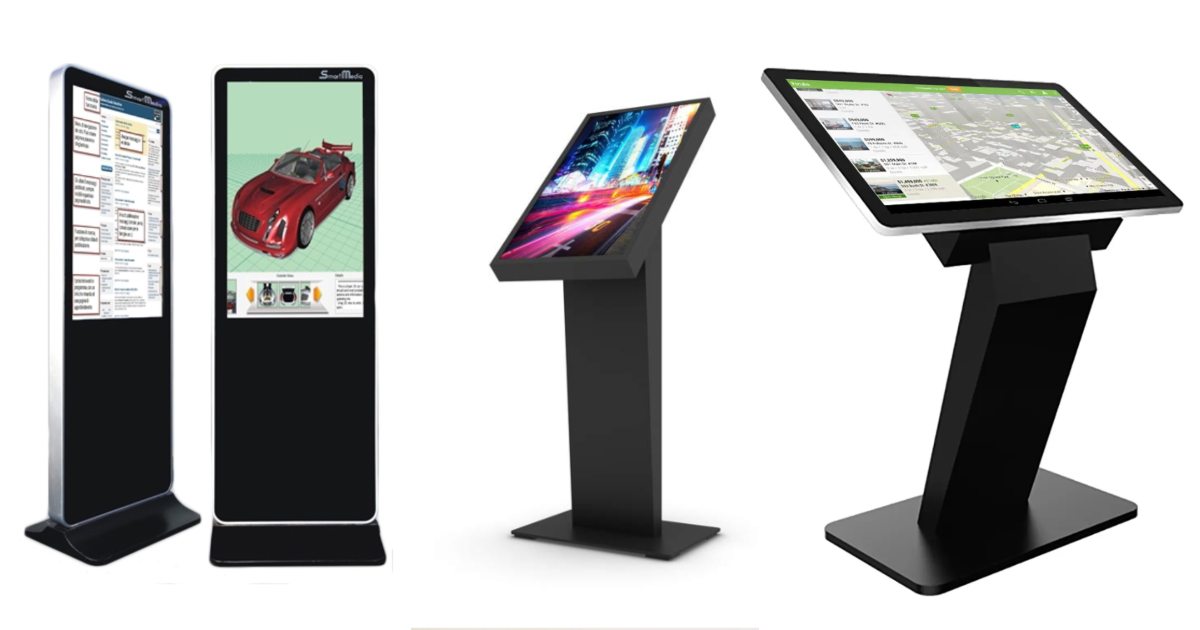
  • Interactive Screens: Embed touchscreens showcasing product stories or user reviews.
  • Augmented Reality (AR): Use AR to visualize products in different settings or with various customization options.

Conclusion

Wooden crate stand displays offer businesses a unique canvas to craft memorable customer experiences. Companies can create enriched and engaging customer journeys by integrating interactive elements, offering personalization, and blending vintage with modern.

Don’t forget to check out our other articles:
 

How to Build a Compelling Corporate Narrative

Corporate Narrative

Welcome to another insightful article on MarketingFIXT.com. Here we often explore the surprising world of marketing fixtures. Such as display stands and product stands, that help your products shine. Today, we’re delving into an essential and often overlooked aspect of business strategy – crafting a compelling corporate narrative.

In today’s competitive market landscape, a well-structured corporate narrative isn’t just a neat addition to your company’s portfolio. It’s a critical tool that resonates with various stakeholders. It shows your brand’s identity, mission, and values. We will guide you on how to create a corporate narrative that aligns with your brand and engages your audience through storytelling techniques, consistency across channels, and more. Let’s start!

Creating a story that resonates

Stories connect us. They inspire, motivate, and sometimes even change how we see the world. Your corporate narrative should be the same. Crafting a story that resonates with your audience is essential in creating a lasting impression.

  • Find your unique angle: Understand what differentiates your company and build a story around that uniqueness. Discover how to connect with your audience through copywriting.
  • Speak your audience’s language: Tailor your narrative to your audience and consider their values and interests.
  • Emphasize emotion: Humanize your brand by incorporating emotional elements your audience can relate to.

Aligning your story

A disjointed narrative can do more harm than good. Aligning your story with your brand ensures that your message is coherent and consistent. Even more so, it reflects your company’s core values.

  • Identify core values: Your narrative must be anchored in your brand’s core values and philosophy.
  • Consistent messaging: Maintain uniformity in your message across various platforms.
  • Visual harmony: Ensure that visual elements like logos, color schemes, and fonts align with your narrative.

Maintain consistency in all channels

social media platforms facebook

In our multichannel world, maintaining consistency across all platforms is not just crucial. It’s expected. A cohesive narrative across channels amplifies your brand’s presence and message.

  • Cross-platform strategy: Develop a plan that integrates your narrative across all channels.
  • Regular monitoring: Regularly monitor and update all platforms to maintain alignment.
  • Engage your audience: Create interactive content that invites your audience to be part of your story.

Integrating marketing fixtures

Let’s remember the tangible aspects of marketing. Integrating your corporate narrative with your display stands, product stands, and other marketing fixtures can create a seamless brand experience.

  • Incorporate brand elements: Use your marketing fixtures to represent aspects of your story visually.
  • Engage through physical interaction: Allow customers to experience your brand through interactive displays.
  • Stay current: Regularly update your fixtures to reflect your brand’s evolving story and market trends.

Conclusion

Building a compelling corporate narrative is a multifaceted task that requires a blend of creativity, strategy, and consistency. By keeping in mind the things we went through, you can create an impressive narrative that engages your audience and promotes brand loyalty.

Eco-Friendly Promotional Accessories for Bars and Cafes

beverage accessories

As consumer awareness about the environment grows, so does the demand for sustainable products. Everybody wants to support those businesses that are aware of the impact they have on the planet. And as a result, on their clients and society itself too. Today we take a look at  the beverage industries that are using some sustainable beverage accessories as a start.

By beverage industry we mean bars and cafes that are not only switching to eco-friendly practices in their operations but also in  their marketing fixtures. One such trend is the use of eco-friendly promotional beverage accessories. 

In this article we will explore the benefits of these sustainable materials and their appeal to the eco-conscious customers of today. 

We will also take a look at how some establishments are embracing this green initiative.

Understand the appeal of eco-friendly materials

Eco-friendly materials offer several benefits both for the environment and businesses. They are typically biodegradable or recyclable, reducing waste that ends up in landfills. For businesses, using sustainable materials for promotional accessories demonstrates corporate social responsibility, which can attract eco-conscious consumers and boost brand reputation.

For example, some bars have switched to using coasters made from recycled paper or cork instead of plastic ones. These not only convey a brand’s commitment to the environment but also offer a unique, tactile experience to customers.

Make sure to captivate the eco-conscious customer

Today’s customers are more eco-conscious than ever. Many are willing to pay a premium for sustainable products or support businesses that align with their values. By using eco-friendly promotional beverage accessories, bars and cafes can tap into this growing market segment.

One cafe that has successfully done this is Starbucks. Their reusable cups and straws not only reduce plastic waste but also appeal to customers who are conscious about their environmental footprint. 

As a bonus, they also serve as marketing fixtures whenever customers carry them around.

beverage accessories starbucks

Let’s showcase sustainability in these case examples

When it comes to setting a green standard, numerous bars and cafes around the globe are stepping up and making sustainability a part of their brand.

“BrewDog,” a well-known brewery based in the UK, has launched its “BrewDog Tomorrow” initiative. The movement aims to champion sustainable practices in their operations. As part of this initiative, they recycle their old beer cans into promotional coasters, reducing waste and creating unique marketing and beverage accessories.

“Klean Kanteen,” a US-based company, partners with cafes and provides branded, reusable stainless-steel cups and straws. This eco-friendly alternative to single-use plastics is not only a win for the environment, but the brand name etched on these accessories also enhances brand visibility each time they are used.

In Australia, the “KeepCup” has seen widespread adoption across independent cafes. This reusable coffee cup brand offers branded cups to cafes, promoting sustainability while providing an effective marketing tool. Customers are often offered discounts for bringing their KeepCup or any reusable cup, further incentivizing sustainable behavior.

And one more inspiring example is “Toast Ale,” a UK-based brewery that brews beer using surplus bread from bakeries, which would otherwise go to waste. Not only does their process reduce food waste, but they also communicate this unique selling proposition on their packaging and promotional materials, resonating with customers who want to make environmentally friendly purchases.

These examples demonstrate how the commitment to sustainability is not just good for the planet but also beneficial for building a strong, reputable brand image.

Always know the trends toward sustainable marketing fixtures

Sustainable marketing doesn’t stop at promotional accessories. More businesses are also opting for eco-friendly marketing fixtures. 

For example, some companies are using display stands made from recycled materials or opting for digital displays that consume less energy than traditional signage. These changes not only lessen the environmental impact but also offer an innovative and modern aesthetic that can attract customers.

Conclusion

So it is safe to say in conclusion, that the rise of eco-friendly promotional accessories in bars and cafes signals a growing commitment. One to sustainability in the beverage industry. And so by embracing this trend, establishments can attract eco-conscious customers, boost their brand reputation, and make a positive impact on the environment. Many wins to come!

In the future, we might see even more innovative eco-friendly marketing fixtures. For example, the use of solar-powered digital signage or fixtures made from plant-based bioplastics. 

As consumer demand for sustainable products grows, so does the opportunity for businesses to innovate and lead the way in green marketing.

So stay tuned for our other articles!

And meanwhile check out these ones:

Thanks for keeping up with us! We hope these articles are useful to you!

Podcasting for Business Growth

Podcasting for business growth

A podcast is an episodic collection of audio recordings that include music, interviews, or various other sounds. Podcasts have been popular for a while at this point. And they are growing more and more popular each day therefore it might be smart to create one yourself. Podcasts are great for entertainment and learning, but did you know that podcasting for business growth is a smart move too? 

Podcasts are a fantastic method to give your customers content while also increasing traffic to your website. They are an excellent way to engage with potential clients and interest them about your company.

In this article we will explore the topic of podcasting for business growth – how to get started and how it benefits your company in the long run.

How to get started

A content developer records an audio file (or several files) and uploads them to the Internet so that anybody can download and listen to them. This process is known as podcasting.

The terms “iPod” and “broadcast” are combined to form the word “podcast”. The term “podcast” gained popularity since it was one of the first methods that people could readily listen to digital audio files on their portable music players, even though you can listen to podcasts on a variety of devices.

You only need a computer with an internet connection and some basic audio recording gear to start a podcast. After you’ve finished recording your audio, you have to upload it to a hosting service (more on that in a second). Anyone with an internet connection can find and download your podcast once it is live online. Sounds simple enough, right?

Some of the most popular platforms to use for publishing your podcasts are Apple Podcasts, Spotify, or Stitcher. They enable new episodes to be downloaded to your device immediately upon release. Additionally, you can access podcasts straight from websites like SoundCloud and YouTube.

Podcasting for business growth

Reasons why your business needs a podcast

Although they have been around for a while, podcasts have gained huge popularity and become a powerful tool for business communication, especially in recent years. As more individuals use them to get information while on the go, they are constantly growing in popularity.

Asking your listeners questions and collecting their thoughts on various subjects can allow you to gain feedback from them. 

The use of podcasts in marketing is a great idea for companies of all sizes. It can be applied for brand exposure, customer acquisition, or even lead generating. For any business that wishes to produce high-quality content in a more individualized way, it is the ideal marketing technique.

To attract new customers from all over the world

Most business owners must be skilled at consulting with clients one on one. The issue is that developing relationships takes time, making it impossible to do hundreds of consultations and client contacts each week.

Brands may reach a large audience through podcasting with little effort. Those that connect with the podcast’s host, offerings, or message can approach businesses in their own time and with all the necessary preparation.

In addition, you establish yourself as the authority by imparting your knowledge. You appear valuable and helpful to the listener, which further strengthens your credibility. You gain trust as your relationship with the listener develops.

Conversion rates increase when customers perceive you as a knowledgeable friend rather than a mysterious, ethereal voice.

To attract customers to your niche industry

Unlike other forms of communication, podcasting is incredibly effective in focusing on a specific audience’s individual interests and preferences. Thousands of podcasters have recently boosted the amount of content they produce, but niche podcasts are one important avenue for expansion. A niche is a topic with a very specialized target in mind.

Take, for instance, a logo design company that specializes in graphic design. It would be considered a specialized area if they created a podcast about expertly delving into logo design. Speaking on a certain topic attracts your ideal target market—those who require a logo or desire to improve their creative skills.

It’s important to keep in mind that 1,000 engaged listeners are far more important than 1,000,000 inactive ones that don’t share your show or purchase anything.

To increase website traffic

Content is king, and podcasting can boost website traffic and content. Businesses who want to get traction and expand their audience are aware that the greatest approach to drive traffic is by producing a ton of new content. Podcasting fits in with that objective well.

An excellent way to increase organic traffic to your website is by hosting a podcast there. Additionally, having a variety of content types, like a podcast, will greatly increase your internet reach as prospective consumers and clients look for information about your field online.

To make networking and more marketing opportunities possible 

It’s perfect to use podcasting to grow your network of expert touchpoints, especially if you opt to speak with influential business people. As we all know, networking and establishing relationships are essential for business development.

You may provide listeners a more rewarding experience by inviting reputable guests onto your show. Industry experts, business associates, prospective and active partners, clients, and customers might be guests.

Podcasting for business growth

How to make money with podcasting

While growing your business, you can also eventually grow your income with the help of your podcast. There are a few ways how podcast creators make money, so here are some of them.

Keep in mind that before starting to make money from the podcast, you will need a valid listener base to start off with. 

Advertising and sponsors

Firstly, advertising is the most common monetization method for podcasts. Podcasters can include advertisements in their episodes, either as pre-roll (at the beginning), mid-roll (in the middle), or post-roll (at the end) spots. Advertisers pay for these slots, and the podcast host or network earns revenue based on the number of listeners and the advertising rates.

Another way to make money is through sponsorships. Podcasts often have sponsors who provide financial support in exchange for promotion during episodes or mentions by the host. These sponsorships can take the form of ad-reads, where the host personally endorses the product or service. Or they may involve product placements or affiliate partnerships.

Crowdfunding and subscriptions

Some podcasters rely on crowdfunding platforms such as Patreon, Kickstarter, or similar services to receive financial support directly from their audience. Listeners can contribute a monthly or one-time payment to support the podcast’s production and receive additional perks or exclusive content in return.

Creating regular subscriptions is another way. However this will only sound like an appealing deal for those who consider themselves a fan of your podcast. Meaning it would be smart to start your podcast as a free content and then later on build up to monetization. 

Creating and selling merchandise

Many podcasters create merchandise related to their shows, such as t-shirts, mugs, or other branded items. They sell these products to their audience, often through their website or online stores. That way listeners have a chance to support your podcast as well as get something cool for themselves.

Additionally, podcasters may collaborate with brands to create co-branded merchandise and share in the revenue generated. Which is a win-win type of situation. 

It’s worth noting that not all podcasts monetize in the same way, and some podcasters may use a combination of these methods to generate revenue. The specific approach depends on the podcast’s size, niche, target audience, and the goals of the podcast host or network.

We hope you enjoyed this article about podcasting for business growth. An idea can truly go a long way, and improve your business sales!

More about marketing related information see our articles Effective product placement for increased visibility and How To Create Quality Video Content.

Thanks for reading our articles!

Touch Screen Kiosk for a Car Showroom

Purchasing a touch screen kiosk

In today’s digital age, technology has affected various industries, including car sales. In car dealerships, it is important to think about getting customers involved as much as possible. One way to achieve this is through purchasing a touch screen kiosk. But how much does it cost to purchase an info display for a car showroom?

Car dealers are constantly looking for new ways to engage potential buyers and provide an interactive shopping experience. One powerful tool that has emerged in recent years is the touchscreen display, also known as a kiosk. And as it turns out, its prices are not so unaffordable.

In this article, we will find out how purchasing a touch screen kiosk is a good move with its many advantages for car showrooms.

A display can improve the shopping process at a car dealership

Display stands are very popular these days. They can be used in a variety of ways, such as displaying advertisements on them or allowing customers to interact with them.

Here’s a roundup of some of the most popular ways displays can improve the overall shopping experience at a car dealership.

Interactivity

Touch screen displays offer an exciting and interactive experience for showroom visitors. They allow potential buyers to easily explore different car models, their configurations and features.

With just a touch of the screen, customers can access detailed information, view high-resolution images, watch videos and even compare multiple cars side-by-side. This interactive approach improves customer engagement and helps them make informed purchasing decisions.

Personalized content

Car interiors can use touchscreen displays with personalized content. They provide a great opportunity to display personalized content that can be customized according to different preferences. This flexibility allows dealers to highlight specific car models or highlight unique offerings such as enhanced safety features or fuel efficiency.

You can view things like car color and variations in other colors, different machine raw materials for painting, etc.

By providing comprehensive and up-to-date information, touchscreen displays increase the confidence of potential buyers by offering a wide range of information.

Purchasing a touch screen kiosk

The touch-sensitive kiosk also promotes sales

Touchscreen displays offer high-resolution visuals. They allow potential buyers to study cars in detail, and as a result learn all the most important information about them. Customers can zoom in on interior elements, explore different color options, etc.

Touch screen displays also allow dealers to showcase related products and accessories. By highlighting compatible add-ons, such as navigation systems, entertainment packages or safety upgrades, car dealers can encourage customers to consider additional purchases.

This not only increases revenue, but also improves the overall customer experience.

What prices should you expect?

There are a number of cost factors to consider when implementing touchscreen displays in a car interior.

These may include:

  • Hardware Cost: Touchscreen displays vary in price based on size, resolution, and functionality. It is important to properly assess your dealer’s specific requirements and budget.
  • Software Development: Customizing the user interface, integrating the required applications, and ensuring a smooth user experience can require software development costs.
  • Maintenance and support: Regular maintenance, software updates and technical support should be factored into the overall cost to ensure optimal performance of touchscreen displays.

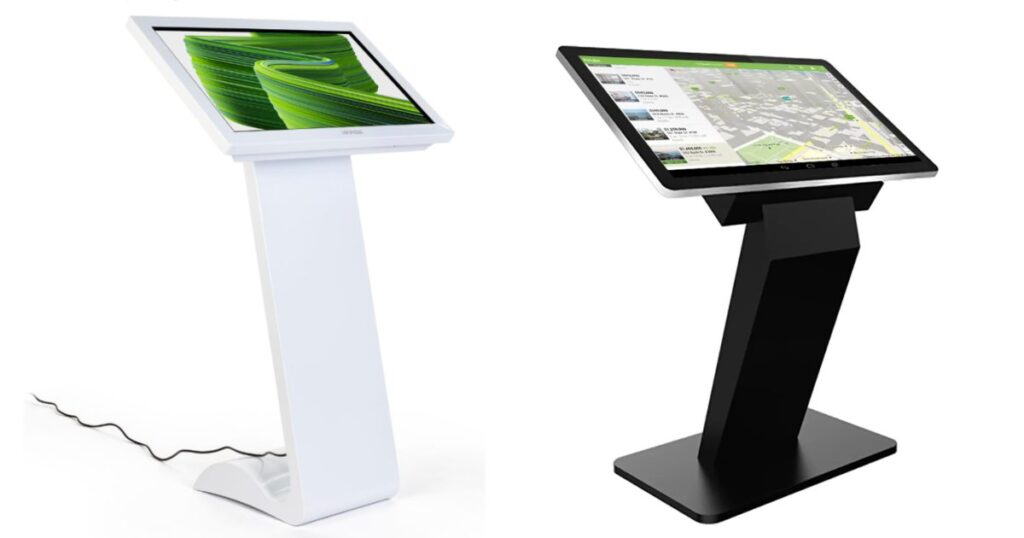
We recommend that you inquire about real prices on the Touch screen kiosk page. There various types of info display are offered. It is often possible to find out the prices by placing an order and inquiring about them directly from the manufacturers.

Installing touch screen displays in car showrooms brings many benefits to both dealers and customers. The interactive nature of these displays enhances the car buying experience and, just as importantly, drives sales.

Now you know how much it costs to buy an info display for a car showroom. We hope this article was helpful!

To learn more about where to put your newly bought display, read our article about Effective product placement for increased visibility in stores.

While there are costs associated with implementing touchscreen displays, the long-term benefits justify the investment.

The Top Market Research Methods For Small Businesses

marketing methods

As a small business owner, I know how challenging it can be to make informed decisions about my products or services without proper research. Having good market research is essential for not only staying competitive but also for ensuring the sustainability and growth of a small business. In this guide, I’ll be sharing with you the top market research methods that I’ve used to help my business succeed.

Whether you’re just starting out or looking to stay ahead of the competition, this guide will provide you with the tools and knowledge you need to make informed decisions that will positively impact your bottom line.

So whether you’re in the beginning stages of forming your business plan or looking to expand your brand, I encourage you to continue reading and see how leveraging customer surveys, focus groups, online reviews, competitor tracking, and monitoring industry trends can help your business thrive in today’s market.

Utilize customer surveys to understand the needs and wants of your customers.

If you’re a business owner, you know how important it is to understand your customers’ needs and wants. One great way to do this is to use customer surveys. Customer surveys can help you get valuable feedback from your customers about the products and services you offer.

Customer surveys can help you understand what your customers like and don’t like about your business. You can find out what products they want more of, what services they think you could improve, and what their overall experience with your business is like.

Surveys are easy to use and can be done online or through mail. You can even use survey software that will help you create surveys quickly and easily. Once you receive the survey results, you can use this information to make changes to your business that will improve your customers’ experience.

Customer surveys can also be used to learn more about your target market. You can collect information about age, gender, location, interests, and more. You can use this information to create better marketing campaigns and tailor your products and services to meet the needs of your customers.

By taking the time to understand your customers and their needs, you can create a better experience for your customers and improve your business. Utilizing customer surveys can help you understand your customers and make sure you’re providing them with the best experience possible.

Take advantage of focus groups to receive qualitative feedback.

When it comes to launching a new product or service, getting feedback from potential customers is crucial. But how do you know if your target audience will actually like what you’re offering? This is where focus groups come in.

A focus group is a small, diverse group of people who are brought together to provide their opinions and feedback on a specific topic or product. As a buyer, participating in a focus group can be incredibly valuable in helping you understand what your target audience wants and needs.

During a focus group, you have the opportunity to ask open-ended questions and get detailed qualitative feedback. This type of feedback can help you identify strengths and weaknesses, spot potential issues, and refine your product to better suit your target market.

When looking for a focus group to participate in, it’s important to ensure that the group is representative of your target audience. For example, if you’re launching a new line of vegan protein powder, you’ll want to make sure that the focus group is made up of people who follow a vegan diet.

Participating in a focus group can also help you gauge how much your potential customers are willing to pay for your product. By asking questions about pricing, you can get a sense of what price point is most appealing to your target market.

Overall, taking advantage of focus groups is an excellent way to gain valuable qualitative feedback on your product or service. With this information, you’ll be able to make informed decisions that can help set your product up for success.

Analyze online reviews to understand customer sentiment.

When I’m shopping for a product online, one of the first things I do is analyze customer reviews. Why? Because online reviews can give me valuable insight into the quality of a product and the level of customer satisfaction. Analyzing online reviews can help you make an informed buying decision and prevent buyer’s remorse.

First of all, it’s important to look at the overall sentiment of the reviews. Are they mostly positive or negative? If a product has a lot of negative reviews, it’s probably not worth purchasing. On the other hand, if a product has mostly positive reviews, it’s likely to be a good purchase.

In addition to the overall sentiment, it’s important to read the reviews in detail. Look for patterns in the reviews. Are multiple customers complaining about a certain feature or aspect of the product? If so, it might indicate a problem with the product that you should be aware of.

Another thing to consider is the credibility of the reviewers. Are the reviews from verified purchasers or are they from random people who may not have even used the product? Keep in mind that some companies pay people to write fake positive reviews, so it’s important to be skeptical of overly glowing reviews.

analyzing online reviews is an important step in making an informed buying decision. By looking at the overall sentiment, patterns in the reviews, and the credibility of the reviewers, you can get a better idea of whether a product is worth purchasing.

Track competitors to stay competitive in the market.

As someone who runs a small business, I know how hard it can be to stay competitive in the market. One of the things that has helped me immensely is tracking my competitors. By keeping an eye on what they’re doing, I can make sure that I’m keeping up with the latest trends and offering my customers what they’re looking for.

One of the easiest ways to track your competitors is to follow them on social media. This will give you an idea of what types of promotions they’re running, what products they’re offering, and how they’re engaging with their customers. You can also sign up for their email newsletter to get a better sense of their marketing tactics and special offers.

Another way to stay on top of your competitors is to attend industry events and conferences. This is a great opportunity to network with others in your field and learn about new trends and techniques. You may also be able to connect with speakers and panelists who have experience in your industry.

Finally, don’t be afraid to do some mystery shopping. This involves posing as a customer and making a purchase or asking questions about a product or service. By doing this, you can get a better sense of how your competitors are interacting with their customers and what their customer service is like.

By tracking your competitors, you can make sure that you’re staying ahead of the curve and offering your customers the best possible products and services. So don’t be afraid to do your research – it could be the thing that sets you apart from the competition.

Monitor industry trends to stay up to date with current market conditions.

One important buying guide tip that I’ve learned over the years is to monitor industry trends. Keeping up to date with current market conditions can help you make more informed decisions when it comes to buying products or services. Whether you’re starting a new business or looking to upgrade your home appliances, understanding industry trends can give you a competitive edge.

One way to monitor industry trends is to read industry-specific publications. Many industries have trade magazines or websites that provide news, insights, and analysis of the latest trends and developments. These publications can help you stay informed about new products, emerging technologies, and changes in consumer behavior. Some even offer reviews of products or services, helping you make more informed decisions.

Another way to stay up to date with industry trends is to attend industry events and trade shows. These events are a great way to network with other professionals in your field, learn about the latest products and services, and get a sense of where the industry is headed. You can also attend seminars and workshops to learn more about specific topics or trends.

By monitoring industry trends, you can anticipate changes in the market and make smarter buying decisions. You can also identify new opportunities for growth and innovation in your own business or industry. So, whether you’re a seasoned professional or just starting out, be sure to keep an eye on industry trends to stay ahead of the curve.

Conclusion

Market research is a crucial aspect for small businesses looking to grow and succeed. Utilizing customer surveys, focus groups, online reviews, and competitor analysis are just a few of the many market research methods available. The insights gained from these methods can help small business owners understand the needs and wants of their customers, receive qualitative feedback, understand customer sentiment, and stay competitive in the market. By utilizing these market research methods, small businesses can make informed decisions that will help them thrive in their industry, increase customer satisfaction, and ultimately improve their bottom line.

If you’re in to marketing make sure to also check out our article – “How To Create Quality Video Content For Marketing Campaigns