Merchandising

Boosting Impulse Purchases with Table Top Display Stands

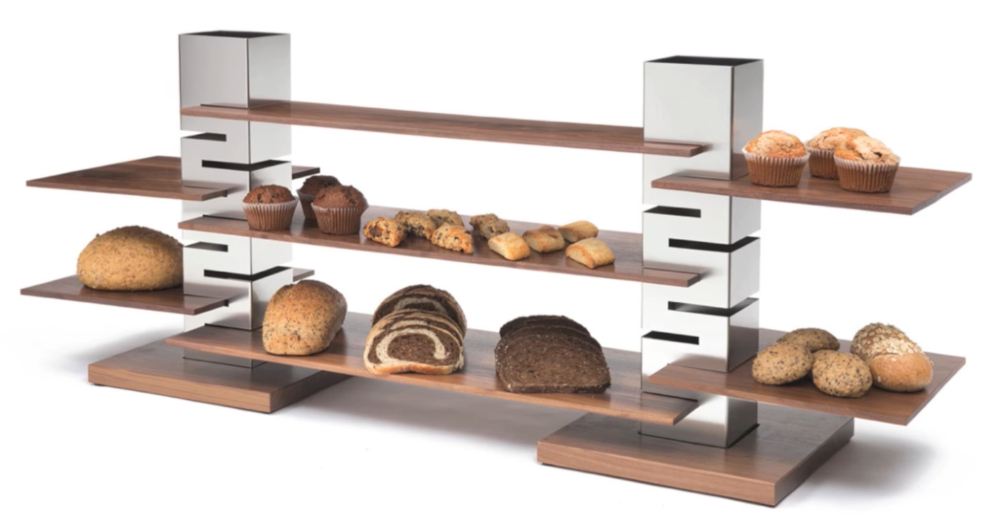
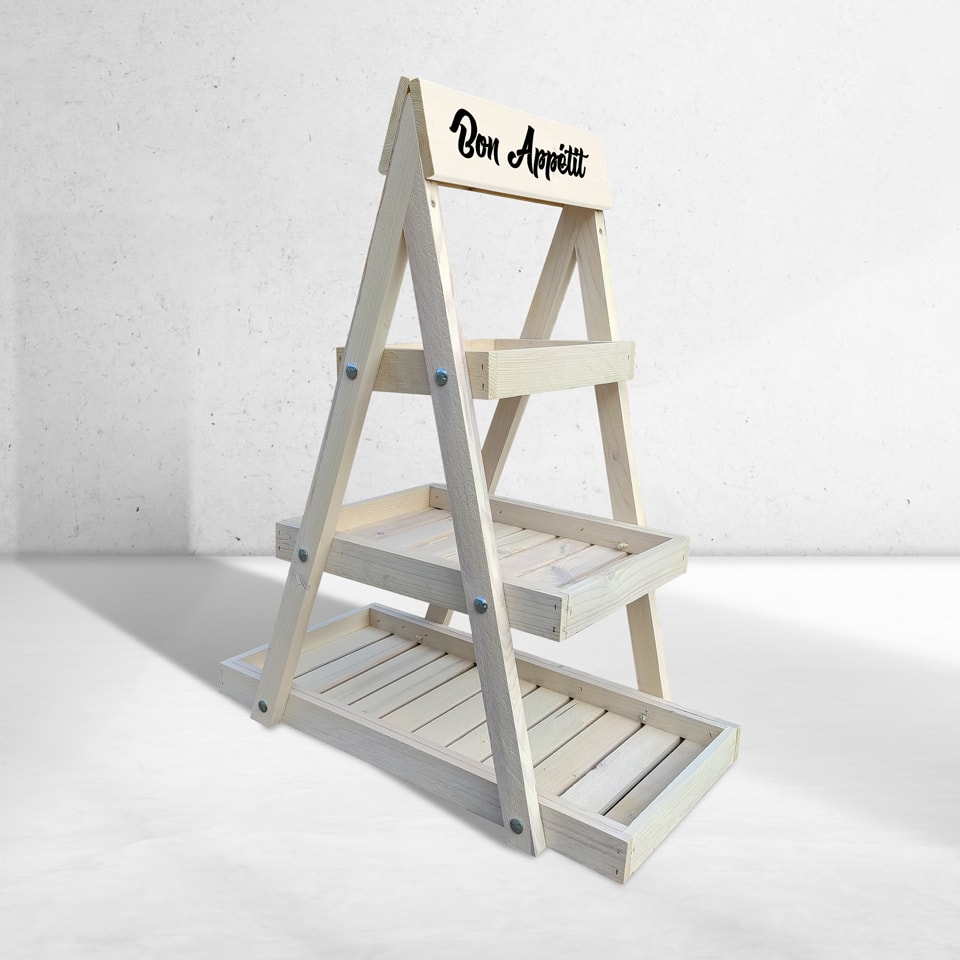
Table Top Display Stands

Impulse buying is a powerful tool in the retailer’s arsenal. We have all fallen victim to those times when we made an impulse purchase that was more emotional rather than logical. Besides, often these purchases are stimulated by a visually appealing, strategically placed product that catches our eye. Good table top display stands can achieve that.

If you’re on the other side and you want to promote as many impulse purchases as you possibly can, then investing in some good table top display stands is a good marketing move. 

So in this article we will discuss how store owners like you can use table top display stands to boost impulse purchases. We’ll explore product choice, display arrangement, and psychology-based strategies that can make your store irresistible to shoppers.

Let’s get started!

What lies in the power of product choice

The first step in encouraging impulse purchases is selecting the right products for your table top display stands. We encourage you to choose some items that are attractive, reasonably priced, and complementary to your main product line.

Choosing what products to display is a critical decision. They will either capture the client’s attention or they won’t. So the selected items should be compelling enough to attract a shopper’s attention and motivate a spontaneous purchase.

Ideal products for impulse buys often have the following characteristics:

  • Low price – high-priced items typically require more thought and consideration. On the other hand, lower-priced items are easier for customers to justify on a whim.
  • Small size – the products should be small enough to fit on the table top display and also easy for customers to carry around the store.
  • Seasonally relevant – seasonal products can boost impulse buying as they evoke the current mood and festivities. For instance, around Valentine’s Day, a display of unique, hand-crafted chocolates might attract impulsive buyers.
  • Tied to primary purchase – display items that can complement a primary purchase. For example, if your store specializes in books, featuring bookmarks or reading lights on your table top display stand might tempt shoppers.

After you take these steps into consideration and put them to action, you might be surprised with the results. However, that is not it yet. Let’s talk about product arrangements.

Make sure you master your display arrangements

The arrangement of your display plays a crucial role in enhancing the attractiveness of your products and stimulating impulse purchases.

An effective arrangement is aesthetically pleasing, draws attention, and makes products easy to reach.

Here are some display arrangement techniques to consider:

  1. Use of height – stagger the heights of your products to draw the eye and create visual interest. For example, use risers or platforms to elevate some items.
  2. Color coordination – group products by color or theme. This can draw attention and make your display more visually appealing.
  3. Accessibility – ensure products are easy to reach and examine. Customers are more likely to purchase something they can touch and feel.

How you arrange your products can make a significant difference in sales so be sure to know your arrangements.
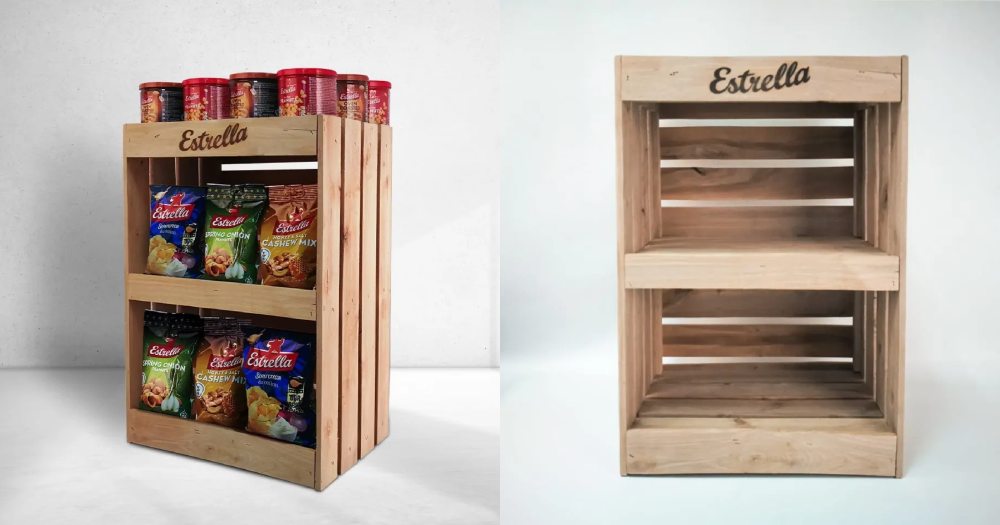
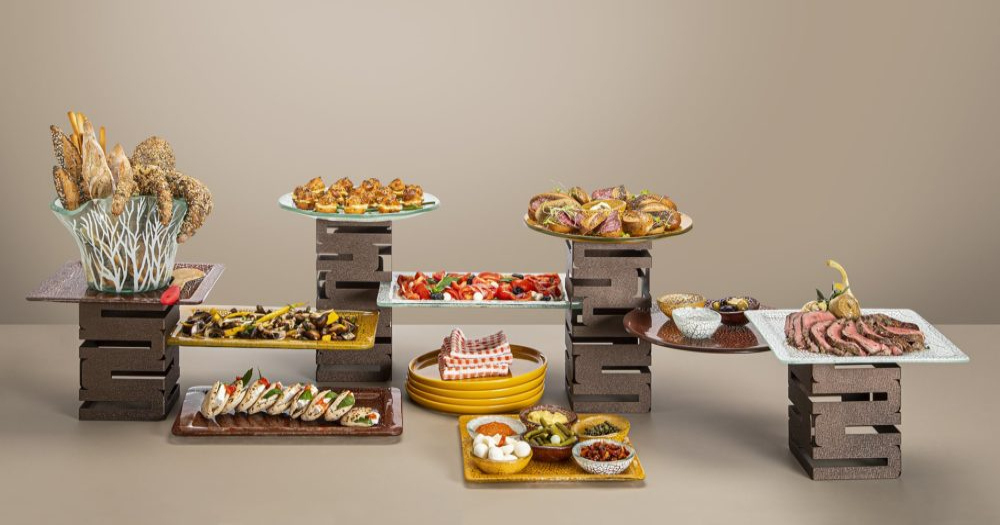
Table Top Display Stands

Understand and apply psychology-based strategies

Leveraging psychological strategies can further boost impulse buying behavior.

Consider the following psychological strategies:

  • Scarcity principle – the perception of scarcity can trigger customers to buy. You can create this perception by limiting the number of items on display and using signage like “While supplies last!”
  • Sense of urgency – creating a sense of urgency can also prompt customers to buy on the spot. Limited-time offers or countdown timers can stimulate immediate purchases.
  • Social proof – people tend to do what others are doing. Highlighting best-sellers or using signage like “Everyone’s favorite” can make customers more likely to buy.

Understanding the psychological triggers that lead to impulse purchases can help you optimize your display stands for maximum effect.

Location, location, location

Finally, the placement of your table top display stands in your store significantly impacts their effectiveness in driving impulse purchases.

Effective product placement for your table top displays is as important as choosing the right product. High-traffic areas where customers tend to pause or slow down are ideal.

Here are key areas to consider placing your table top display stands:

  1. Point of Sale – the checkout area is one of the best places to stimulate impulse buys. While customers wait in line to pay, they can be enticed by small, inexpensive items displayed nearby.
  2. Store entrance – placing a display stand near the entrance can grab a customer’s attention as they walk in, setting the tone for their shopping experience.
  3. High traffic areas – any area in your store where customers tend to pause, such as near fitting rooms or escalators, is a good spot for a display stand.
  4. Next to complementary products – placing items that pair well together encourages customers to buy more. For example, displaying stylish sunglasses next to summer dresses can lead to additional purchases.

Boosting impulse purchases through strategic use of table top display stands requires careful planning and execution. But if you take into consideration our tips from this article, you might be surprised by your success!

In conclusion 

By selecting the right products and placing your stands strategically, you can create a compelling shopping environment that encourages customers to buy more. The resulting increase in sales can contribute significantly to your store’s success.

Remember, each boutique is unique, and what works well for one might not work as well for another. It’s important to test different strategies, see what works best for your store and customer base, and continually refine your approach based on your findings. 

Make sure you also check out our articles on other types of display stands:

Happy selling!

Incorporating Brand Identity into Buffet Display Stands

buffet stands

A strong brand identity can distinguish a hotel or cafe from its competitors. One often overlooked area to reinforce your brand is buffet display stands. This article delves into how you can weave your brand identity into your buffet display stands, contributing to a cohesive and memorable brand experience.

Reflecting your aesthetic through design

The design of your display stands is a significant opportunity to reflect your brand’s aesthetic. A well-chosen design can subtly convey your brand’s personality and enhance the overall ambiance of your buffet.

If your brand leans towards a modern and sleek aesthetic, minimalist designs with clean lines and neutral colors would work. For a more traditional or rustic brand, display stands made of natural materials like wood or wrought iron would be more fitting.

The Ace Hotel in New York, known for its industrial-chic aesthetic, does this brilliantly. They use minimalist metal display stands that perfectly complement their overall design theme.

Incorporating your brand’s logo and color scheme

Incorporating your brand’s logo and color scheme into your display stands can create a visual link between your buffet and your brand, reinforcing brand recognition among your customers.

Your logo could be etched onto the stands or used in small, tasteful accents. The color scheme of your display stands could align with your brand’s primary colors or incorporate complementary colors.

For instance, Starbucks Reserve Roastery locations often incorporate their dark green color scheme and subtle logo usage into their buffet and food display stands, creating a unified brand experience.

Selecting themes that align with your brand

Creating a thematic approach to your buffet display stands can do more than just serve food. It can offer a narrative that aligns with your brand’s identity and ethos. A well-chosen theme can engage guests at a deeper level, making their dining experience more memorable and unique.

Your buffet display stand theme should echo your brand story or principles. For instance, if your brand is about sustainability and locally sourced produce, incorporating a nature-inspired theme could work beautifully. You could choose stands made of reclaimed wood or bamboo and complement these with natural elements. Such as leaves or edible flowers for decoration.

Real life examples

The Noma restaurant, famous for its commitment to local, seasonal ingredients, uses natural materials like stone and wood in its display stands. It emphasizes its connection to the local environment and seasons.

On the other hand, if your brand is more about high-tech and innovation, an ultra-modern theme using metallic or acrylic stands with LED accents could effectively reflect this. You could consider stands with built-in screens displaying engaging content about your food, such as its nutritional information or origin stories.

Take, for instance, the Inamo restaurants in London. They are known for their innovative use of technology in dining. Their buffet area could easily mirror this with futuristic, tech-enhanced display stands.

If your brand is rooted in a specific cultural heritage, using a theme that showcases that heritage can create a unique, immersive dining experience. Display stands could incorporate traditional design motifs, colors, or materials associated with that culture.

For example, a Mexican restaurant brand focused on authentic experience might use vibrant, hand-painted ceramic stands. It would reflect the country’s rich artisan traditions. A Japanese sushi bar might choose display stands designed to resemble traditional sushi serving platters. It would enhance the cultural authenticity of the dining experience.

Consistency: the key to a cohesive brand experience

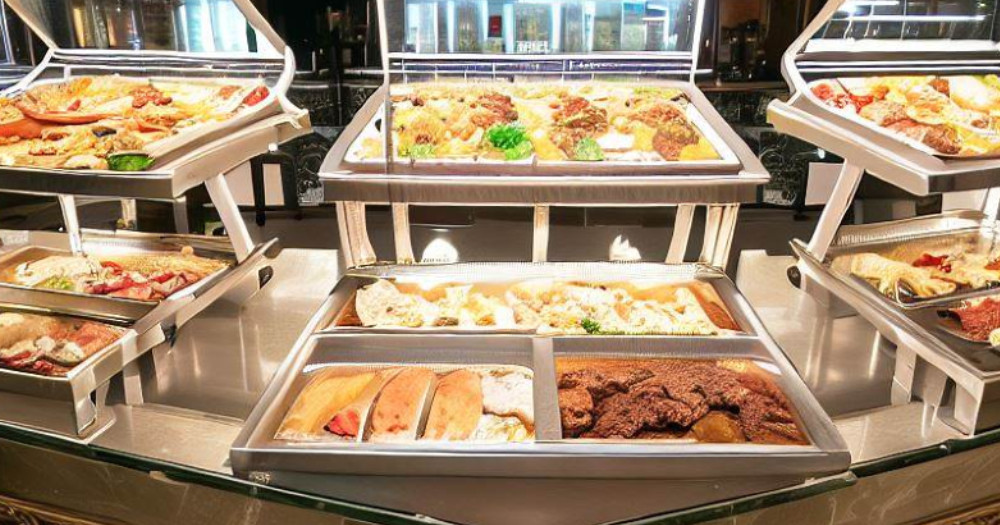
buffet display stands

Consistency across all visual elements in your buffet area is essential to create a seamless and impactful brand experience. Ensure that the designs, colors, and themes of your display stands are consistent with each other. Furthermore, they should also be consistent with other elements in your buffet area. Such as signage, menu design, table setup, etc.

For instance, the decor at Pret a Manger outlets is uniformly simple and modern, with wood and steel elements. They are consistent with their display stands, creating a uniform and instantly recognizable brand aesthetic.

Conclusion

By thoughtfully integrating your brand identity into your buffet display stands, you can turn a functional item into a powerful branding tool. Whether it’s through design or color, well-branded display stands can create a cohesive brand experience. Remember, every touchpoint matters in building and reinforcing your brand identity.

If this article helped in incorporating brand identity into buffet display stands, you might want to check out our other articles, like these:

For more extra information on maximizing the furniture you choose, as well as product exposure. And other display stand types that boost sales.

The Art of Visual Merchandising Using Retail Shelving

Visual Merchandising

In the retail world, visual appeal is a powerful sales driver. That is something that works both noticeably as well as subconsciously. The art of visual merchandising is akin to storytelling – it creates a narrative that not only showcases your products but also communicates your brand’s identity. 

And retail shelving is an essential component of this narrative. It essentially allows your  products to be displayed attractively and creatively. 

So in this article, we will delve into the artistic side of retail shelving and see how it can be used to enhance visual merchandising. That of course is useful mainly for attracting customers and encouraging purchases.

It is important to create colour-coordinated displays

Balance is a key principle in visual art, and it applies just as importantly to retail shelving. You don’t want to create a display of products that is too chaotic when it comes to colours or arrangements. 

A balanced display is one that is pleasing to the eye and can make product selection easier for customers. And to achieve this balance, you might want to consider the size, shape, and placement of the products. 

We always suggest trying to mix larger items with smaller ones and avoid clustering too many similar items together.

Incorporating colour coordination in your retail shelving can significantly enhance visual appeal. Colour can evoke emotions and impact buying decisions. So consider arranging products by their packaging colour or using shelf liners or signage in colours that complement the products. 

For instance, a display of organic products might use green shelf liners or signage to convey a natural, eco-friendly vibe. That will be both effective and beautiful to look at.

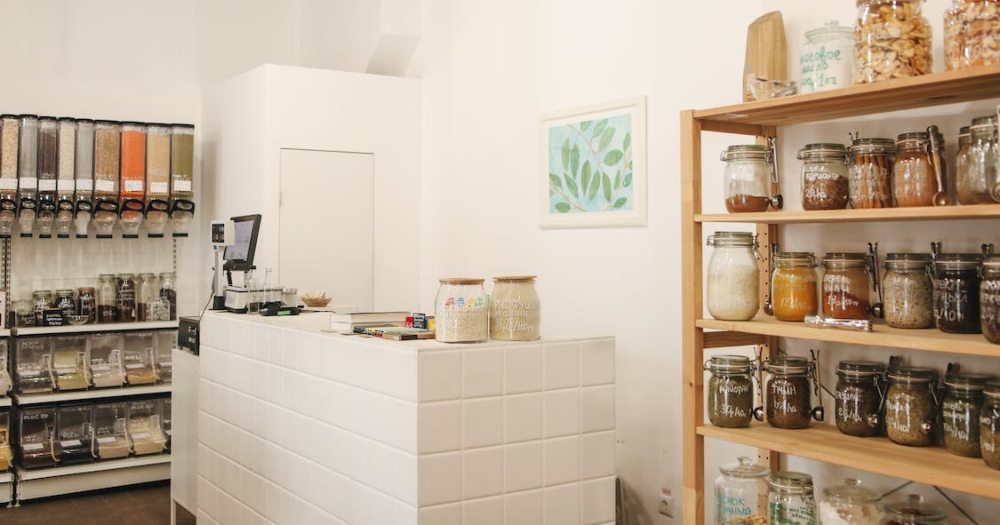
Visual Merchandising

Incorporating signage into your retail displays

Signage is a vital element in visual merchandising that goes beyond conveying information. It can also contribute to the visual appeal of retail shelving. So don’t be afraid to add some signage to your retail shelving. But still remember to take into consideration the previously mentioned tip about colour coordination and such.

Creative and eye-catching signage can draw attention to specific products or deals. And what’s even better, it can also guide customers around the store, and enhance the overall aesthetic of the display.

You can see our article about Visual Merchandising Techniques with Vendor Display Stands for additional tips. 

When incorporating signage, remember to always consider the design, colour, font, and placement. Signage should be consistent with your brand identity and the display’s overall look and feel. Also, it should be placed where it’s easily visible and complements the products rather than obscuring them.

Creating themed sections is always a good move

Themed sections can make shopping a more engaging and exciting experience. By creating themed sections you will make sure that your customers can find everything they need that much easier.

The products your customers need then can be found based on various concepts, such as seasonal items, product categories, colour themes, or even storytelling themes like ‘A Summer Picnic’ or ‘Healthy Living.’

Besides, themed sections can not only help customers find related items quickly but also inspire them to make additional purchases. They also provide an opportunity to showcase your creativity. 

For example, a ‘Back to School’ section could feature not only school supplies but also lunchbox snacks, children’s clothing, and educational books. And all arranged in a visually engaging way.

Lighting creates an illuminated shopping experience

Never underestimate the power of good lighting in visual merchandising. Just like a spotlight in a gallery showcasing a piece of art, strategic lighting can highlight your products. It can  create depth, and bring warmth to your retail space. 

We suggest you use a mix of ambient, task, and accent lighting to create an inviting atmosphere and make your products shine.

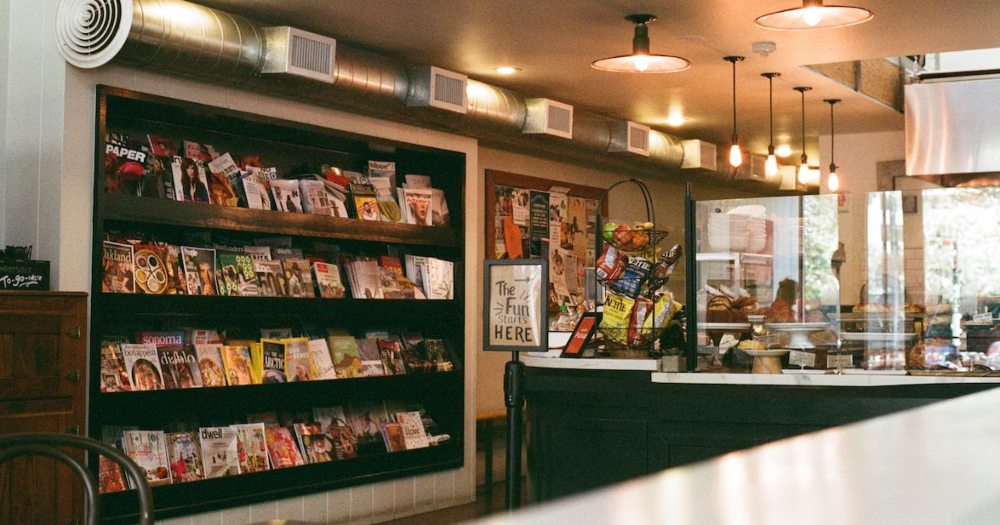
But you can of course also use dim lighting if that is your brand’s style. In the photo below you can see how darker light can also be equally effective if that is the style you’re going for.

Visual Merchandising lighting

Conclusion on visual merchandising

In conclusion we can summarise that visual merchandising using retail shelving is an art form that combines creativity and strategic thinking. Creating balanced and colour-coordinated displays are just a few of the ways you can transform your retail shelves into an attractive showcase for your products. 

Add in the right lighting, and your store can offer a visually engaging shopping experience that captivates customers and encourages sales. 

And that is what we wish for you – great customers and a lot of sales!

Make sure to check out our other related articles such as Enhancing Customer Experience with Interactive Kiosks in Banking

Visual Merchandising Techniques with Vendor Display Stands

Vendor display stands provide businesses with an excellent opportunity to showcase their products in a captivating way and enhance customer engagement. The art of visual merchandising, the practice of presenting products in a way that is appealing, plays a crucial role in driving sales and strengthening a brand’s image.

In this article, we will explore visual merchandising principles for vendor display stands. Techniques for arranging products and utilizing space, and tips for storytelling and creating engaging narratives.

Visual merchandising principles for vendor display stands

Visual merchandising is more than simply arranging products on a stand. It’s a strategic practice that leverages aesthetics to stimulate customers’ interest and influence purchasing decisions.

Here are some key principles that govern visual merchandising for vendor display stands:

  • Balance, whether symmetrical or asymmetrical, is crucial for maintaining visual harmony. Symmetrical displays create a sense of order, while asymmetrical ones bring dynamism and interest.
  • A focal point draws customers’ attention to a particular area of the stand. This could be a best-selling product, a new release, or a promotional item.
  • Repeating certain elements, such as color, shape, or product type, can create a sense of cohesion and harmony.
  • Contrast, achieved through colors, shapes, or textures, can make a display stand out and attract customers’ attention.

These are some of the many merchandising principles for vendor display stands to make customers interested in your brand and make a purchase.

Arranging products and utilizing space

Effective product arrangement and space utilization can significantly enhance the appeal of a display stand.

Here are some techniques:

Pyramid principle

Arrange products in a pyramid or triangle shape, with the highest point in the center. This arrangement guides the customer’s eye naturally from top to bottom and side to side.

The rule of three

This principle suggests that groupings of three are inherently more appealing and memorable to the human eye than other numbers.

Utilize different levels

Play with different levels and heights to make your display more interesting and dynamic. This can also be a great way to emphasize specific products.

Don’t overcrowd

While it’s essential to utilize space effectively, avoid overcrowding. Each product should have its own ‘breathing space’ to stand out.

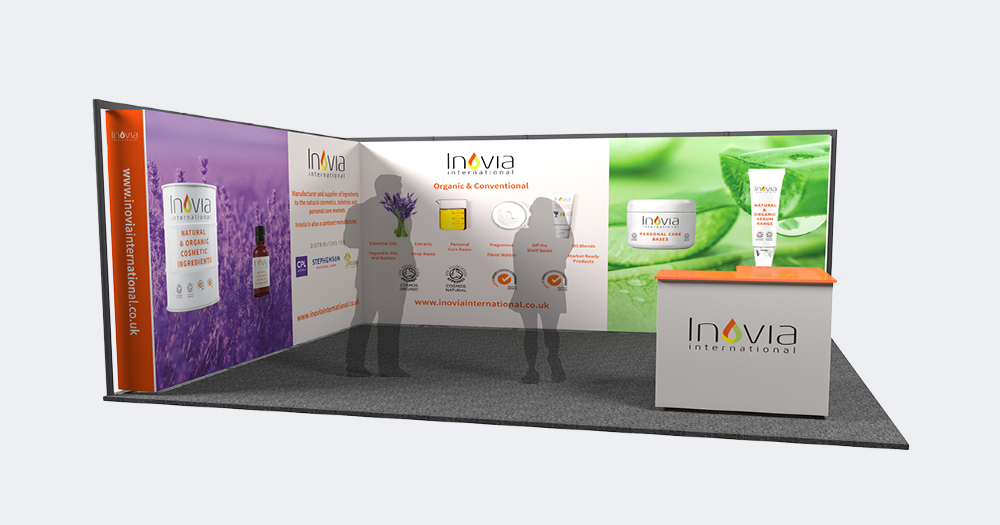
inovia vendor display stand

Storytelling and creating engaging narratives

Stories captivate people; they bring products to life and create an unforgettable connection with customers. Storytelling and connecting emotionally with your audience is the most effective way to make customers more engaged and invested in your product or service.

Here’s how you can leverage storytelling on your display stand:

Create a theme

A theme can serve as the plot of your story. This could be anything from a holiday, season, or color, to a lifestyle concept.

Use signage

Signage can be used to provide context and details that contribute to the story. This could be information about the product’s origin, how it was made, or its benefits.

Incorporate props

They can add depth to your story and make it more engaging. Prop should complement the products and not distract from them.

Examples of effective visual merchandising

apple visual merchandising

There are many brands that have successfully leveraged visual merchandising techniques to enhance their vendor display stands.

Apple

Apple’s display stands are renowned for their minimalist design. Products are displayed against a clean, white background, and each product has ample space to stand out. This aligns with Apple’s brand identity of simplicity and premium quality.

Lush Cosmetics

Lush uses vibrant colors, distinctive shapes, and inviting scents to attract customers. Their products are often arranged in a pyramid shape, with signage providing information about ingredients and usage.

Conclusion

Visual merchandising is an art that requires strategic planning and creativity. By leveraging key principles, arranging products effectively, utilizing space wisely, and using storytelling to create engaging narratives, businesses can craft compelling vendor display stands that attract and captivate customers, ultimately driving sales and enhancing brand image.

The combination of these elements brings the products to life, evoking emotions and providing a memorable shopping experience for customers. Successful brands like Apple and Lush Cosmetics demonstrate the power of effective visual merchandising in drawing in consumers and creating a lasting impression. As you create or redesign your vendor display stands, consider these principles and techniques to maximize their impact.

Effective Product Placement for Visibility in Stores

Effective product placement

In the competitive world of retail, customer focus is very important. It is valuable to draw the attention of customers with the way products are placed in the store, as this is what most directly promotes sales.

Effective product placement in the store is important as it increases visibility. This is especially important for high-value products with a higher markup. When strategic product placement is done right, it can attract more customers, increase sales and, as a result, increase the success of the company.

The purpose of this article is to introduce the art of in-store product placement, focusing on strategies that optimize the visibility of high-value products. So in this article, learn more about what effective product placement is and how to do it right in 6 different ways.

1. Positioning of main products at eye level

Whether you are a store owner, manager or product marketer, an effective understanding of product placement techniques will be very helpful. The first tip is to make sure that the best, highest value products are placed in the best shelf positions. The way to achieve this is by placing these products at eye level.

This ensures that customers can easily spot them and increases the chances of attracting attention. The end stands and the first shelves of the store’s sub-sections are usually highly visible places when entering the store.

Eye-level shelves are the most valuable ally in any store. Placing premium products at eye level increases the chance that customers will notice them. This is because customers tend to scan the shelves at eye level first.

Effective product placement

2. Displays placed in advantageous places

We recommend using attractive displays at checkouts and other high-traffic locations to draw attention to your valuable products. These displays can include attractive signage, product samples, or even interactive elements to engage customers.

It pays to strategically place these displays near checkouts or high-traffic areas where customers spend time waiting in line. Of course, we still need to think about making these displays visually attractive and attention-grabbing.

Good product display stands provide last-minute shopping opportunities and can greatly increase the visibility of your products. It is worth investing in them as it will definitely pay off in the long run.

3. Strategic placement of related products

Another tip is related to affiliate products. We recommend that they be successfully combined with each other – placing high-quality products next to additional goods.

For example, if you sell high-end cookware, place it near gourmet food ingredients or recipe books. This encourages customers to consider purchasing multiple items, and as a result, increases awareness of your products.

Customers are more likely to consider purchasing multiple items, and your products benefit from increased visibility by being close to popular or related products.

4. Place similar products next to each other

It is also important to think about the fact that not only related products, but also whole product categories are placed in close proximity to each other. For example, especially high-value products should be placed near related or popular items.

Positioning your products next to well-known brands or best-selling products in the same category can capitalize on existing customer interest and increase visibility. Customers often gravitate towards familiar items or products they perceive to be popular.

display stands

5. Create visible visual contrast

Packaging and product design (including their placement) play a crucial role in product visibility. Therefore, we recommend that you learn more about what color contrast to use.

Color psychology has important implications for sales promotion. Creative packaging is also used to make the products stand out and be noticed on store shelves.

Use bolder fonts, brighter colors, unique shapes or special packaging that stands out among other products on the shelves. It is worth considering the general aesthetics of the store and aiming to create a visual contrast that catches the customer’s eye.

In addition, if the store displays are well lit and, what is no less important, correctly lit, it will be possible to significantly increase the visibility of the products in the eyes of customers

6. Take care of product demonstrations

You can also organize product demonstrations or interactive displays that demonstrate the features and benefits of your premium products. Not only does it attract attention, but it also helps potential customers understand the value proposition.

Whether it’s a cooking demo for high-end kitchen appliances or a beauty tutorial for luxury skin care products, these experiences capture attention and help potential customers understand the value proposition. When customers see a product in action, they are more likely to show interest and remember it later.

This is most observed in grocery store product tastings – people like to come, taste something and learn more about the delicious product. It can even happen with other products if an interesting demonstration or human involvement is carried out.

It’s important to remember that effective product placement in a store is an ongoing process. Regularly evaluate the performance of your placements, experiment with different strategies and adapt to changing customer preferences and store layouts to maintain maximum visibility of your valuable products.

Please check out these articles too:

May you manage to highlight the best products and sell them successfully!