In modern retail’s dynamic, technology-driven world, incorporating digital elements into marketing strategies cannot be overstated. It is especially true for the beverage industry. Marketers are discovering the advantages of integrating digital technology into their marketing fixtures. It could include incorporating digital menus and interactive displays to QR codes offering detailed product information or exclusive promotional offers.
We will explore how these digital innovations can boost customer engagement, amplify brand visibility, and drive sales.
This article we will take a look at the following digital elements:
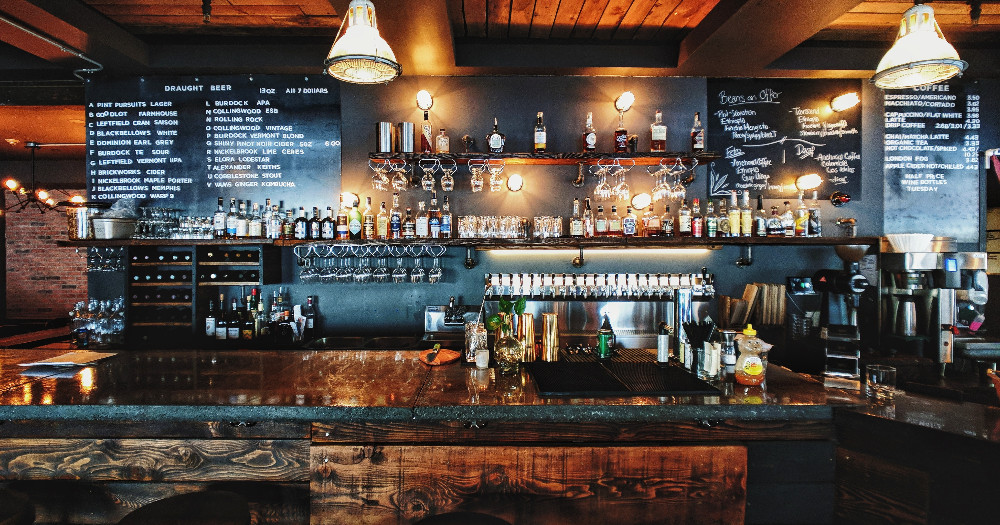
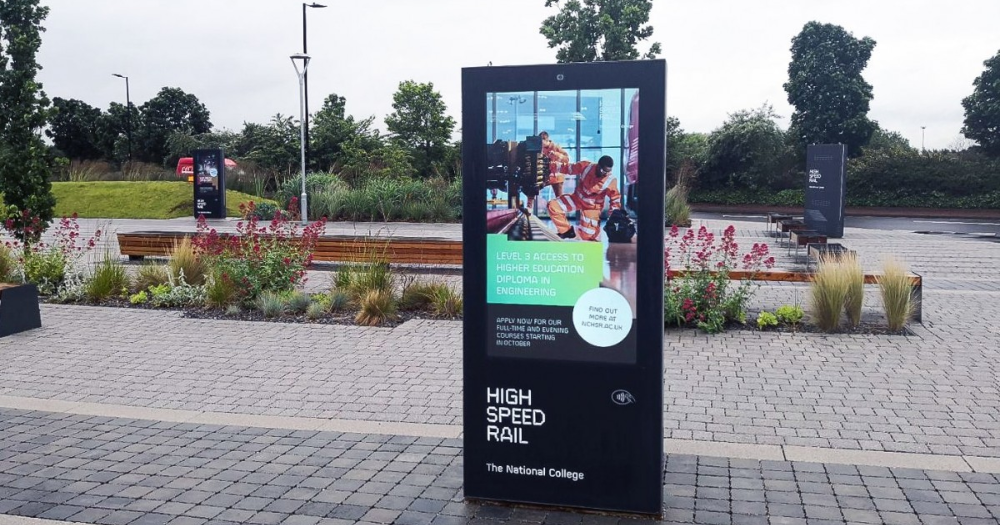
Digital menus are a game-changer in the beverage industry. These vibrant, dynamic displays can be far more eye-catching than traditional static menus. Besides showcasing various beverages, these platforms allow swift updates based on inventory, time of day, or special promotions.
For instance, Starbucks has effectively used digital menus to highlight seasonal drinks, offer personalized recommendations, They also provide nutritional information, enhancing its overall customer experience.
Interactive displays
Incorporating interactive displays into beverage marketing fixtures can provide a more engaging, immersive customer experience. These could be touch screens that allow customers to customize their drinks or informative displays about different beverages’ origins and brewing processes.
For example, Coca-Cola’s “Freestyle” machines offer customers an interactive beverage dispensing system where they can mix and match to create their custom drink, leading to a memorable brand experience.
QR codes
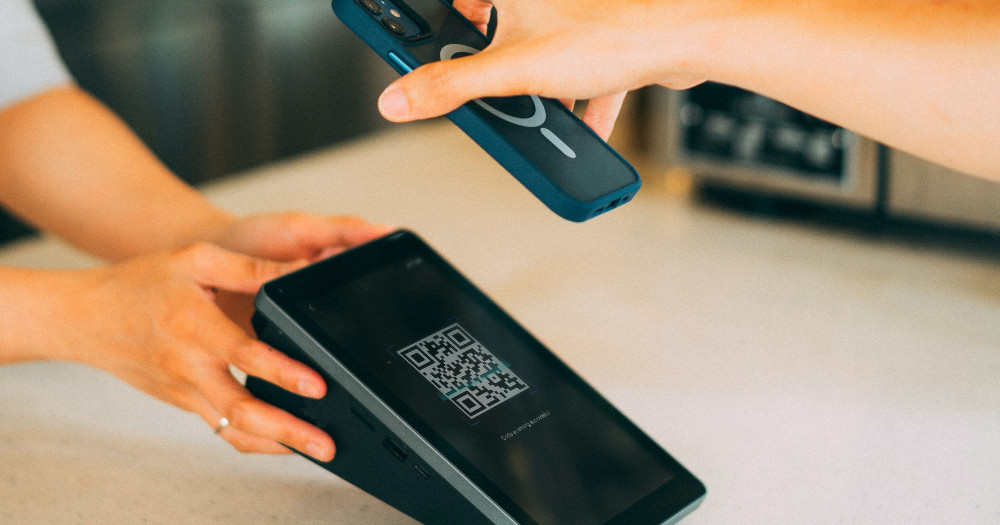
Integrating QR codes into beverage marketing fixtures provides many possibilities for engaging customers. When scanned, these codes can lead customers to a landing page . There they can find detailed product information, nutritional facts, promotional offers, or even a short, entertaining video about the beverage.
PepsiCo, for example, has effectively used QR codes on its beverage stands in supermarkets, driving customers to its website for special offers and contests.
Augmented reality (AR)
An emerging trend is the use of Augmented Reality (AR) in beverage marketing fixtures. AR can bring static beverage stands to life, offering customers an interactive and engaging experience.
For instance, a customer pointing their smartphone at a promotional stand might see a virtual bartender mixing their drink, a 3D model of the bottle, or even playing an interactive game. Brands like Jack Daniels have begun exploring AR to provide a unique and engaging brand experience.
Conclusion
Integrating digital elements into beverage marketing fixtures offers significant advantages in enhancing customer engagement, improving brand visibility, and driving sales. Digital tools are transforming the landscape of beverage marketing.
As a marketing professional, leveraging these digital elements can help you stay at the forefront of this exciting industry. The digital transformation is here. It’s time to embrace it.
If you own a bar or a cafe, you should take a look at these articles:
As consumer awareness about the environment grows, so does the demand for sustainable products. Everybody wants to support those businesses that are aware of the impact they have on the planet. And as a result, on their clients and society itself too. Today we take a look at the beverage industries that are using some sustainable beverage accessories as a start.
By beverage industry we mean bars and cafes that are not only switching to eco-friendly practices in their operations but also in their marketing fixtures. One such trend is the use of eco-friendly promotional beverage accessories.
In this article we will explore the benefits of these sustainable materials and their appeal to the eco-conscious customers of today.
We will also take a look at how some establishments are embracing this green initiative.
Understand the appeal of eco-friendly materials
Eco-friendly materials offer several benefits both for the environment and businesses. They are typically biodegradable or recyclable, reducing waste that ends up in landfills. For businesses, using sustainable materials for promotional accessories demonstrates corporate social responsibility, which can attract eco-conscious consumers and boost brand reputation.
For example, some bars have switched to using coasters made from recycled paper or cork instead of plastic ones. These not only convey a brand’s commitment to the environment but also offer a unique, tactile experience to customers.
Make sure to captivate the eco-conscious customer
Today’s customers are more eco-conscious than ever. Many are willing to pay a premium for sustainable products or support businesses that align with their values. By using eco-friendly promotional beverage accessories, bars and cafes can tap into this growing market segment.
One cafe that has successfully done this is Starbucks. Their reusable cups and straws not only reduce plastic waste but also appeal to customers who are conscious about their environmental footprint.
As a bonus, they also serve as marketing fixtures whenever customers carry them around.
Let’s showcase sustainability in these case examples
When it comes to setting a green standard, numerous bars and cafes around the globe are stepping up and making sustainability a part of their brand.
“BrewDog,” a well-known brewery based in the UK, has launched its “BrewDog Tomorrow” initiative. The movement aims to champion sustainable practices in their operations. As part of this initiative, they recycle their old beer cans into promotional coasters, reducing waste and creating unique marketing and beverage accessories.
“Klean Kanteen,” a US-based company, partners with cafes and provides branded, reusable stainless-steel cups and straws. This eco-friendly alternative to single-use plastics is not only a win for the environment, but the brand name etched on these accessories also enhances brand visibility each time they are used.
In Australia, the “KeepCup” has seen widespread adoption across independent cafes. This reusable coffee cup brand offers branded cups to cafes, promoting sustainability while providing an effective marketing tool. Customers are often offered discounts for bringing their KeepCup or any reusable cup, further incentivizing sustainable behavior.
And one more inspiring example is “Toast Ale,” a UK-based brewery that brews beer using surplus bread from bakeries, which would otherwise go to waste. Not only does their process reduce food waste, but they also communicate this unique selling proposition on their packaging and promotional materials, resonating with customers who want to make environmentally friendly purchases.
These examples demonstrate how the commitment to sustainability is not just good for the planet but also beneficial for building a strong, reputable brand image.
Always know the trends toward sustainable marketing fixtures
Sustainable marketing doesn’t stop at promotional accessories. More businesses are also opting for eco-friendly marketing fixtures.
For example, some companies are using display stands made from recycled materials or opting for digital displays that consume less energy than traditional signage. These changes not only lessen the environmental impact but also offer an innovative and modern aesthetic that can attract customers.
Conclusion
So it is safe to say in conclusion, that the rise of eco-friendly promotional accessories in bars and cafes signals a growing commitment. One to sustainability in the beverage industry. And so by embracing this trend, establishments can attract eco-conscious customers, boost their brand reputation, and make a positive impact on the environment. Many wins to come!
In the future, we might see even more innovative eco-friendly marketing fixtures. For example, the use of solar-powered digital signage or fixtures made from plant-based bioplastics.
As consumer demand for sustainable products grows, so does the opportunity for businesses to innovate and lead the way in green marketing.
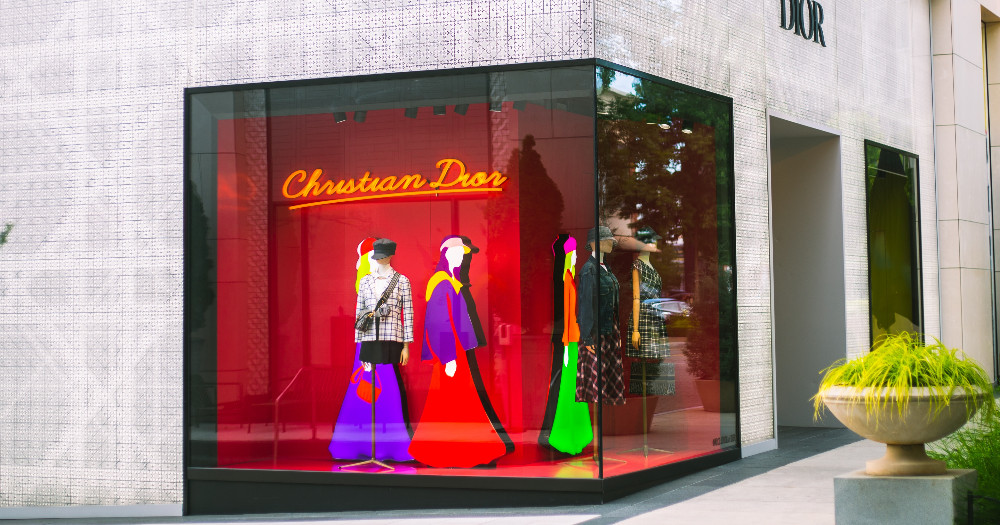
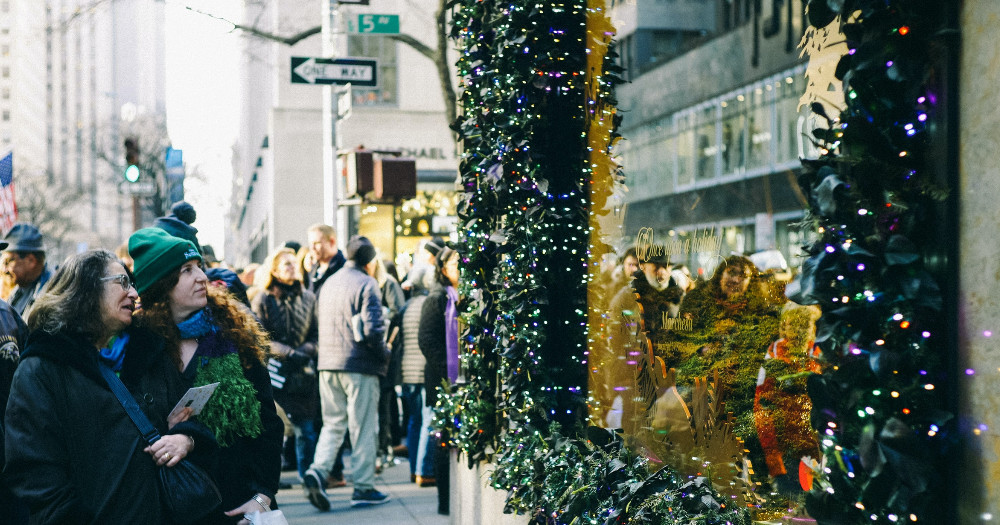
When discussing powerful marketing tools in retail, window displays deserve a spot at the top. Often underutilized and sometimes overlooked, they serve as the visual handshake between a store and its potential customers. A well-designed window display invites consumers into your store and tells a story about your brand, producing an impact that promotes brand recognition.
This article will explore the art of window displays in boosting brand recognition. You will learn about tips on how to craft compelling window displays that amplify your brand’s message, allure customers, and, ultimately, drive sales.
The importance of window displays
Window displays are the first point of visual contact between your store and potential customers. They provide an essential opportunity to make a powerful first impression and establish your brand identity. It’s crucial to understand the importance of marketing tools, like promotional sampling booths or displays, so that you can use them in your favor.
A creative and attractive window display can turn heads and pique curiosity. It can work as a magnet that pulls people in. Beyond just aesthetics, they are a visual narrative of your brand. They communicate what your brand represents, your products or services. It can also give your customers an idea of what they can expect inside your store.
How to create compelling window displays
Effective window-dressing requires a careful balance of art and marketing. It should be visually appealing and intriguing, aligning with your brand’s identity and message.
Here’s some important aspects to consider:
Cohesion and Consistency: The display should align with your brand’s image and message. Cohesion and consistency in color schemes, styles, and themes can reinforce your brand’s identity, making it more recognizable.
Seasonal and Trending Themes: Incorporating seasonal or trending themes into your window displays can make them more relatable and appealing. However, remember to maintain your brand’s unique twist to stand out.
Balance and Symmetry: A balanced and symmetrical display can attract and please the eye. However, feel free to experiment with asymmetry for a more dynamic and attention-grabbing display.
Lighting: Lighting can dramatically affect the mood and appeal of your display. Use it to highlight key elements and create shadows for depth and drama.
Simplicity: An overly cluttered window can confuse and deter customers. Stick to one primary focus, ensuring the display is manageable but inviting.
The role of marketing fixtures
Marketing fixtures like display stands, product stands, and other retail fixtures can significantly enhance the effectiveness of your window displays. They provide structure and dimension, help highlight particular products, and can contribute to the visual storytelling of your brand.
Use marketing fixtures creatively to create different levels and layers in your storefronts, making them more dynamic. High-quality marketing fixtures can also elevate the perceived value of your products and, by extension, your brand. Remember that the choice and arrangement of marketing fixtures should align with your brand’s style and philosophy.
Digital window displays
Integrating technology into your window displays could be a game-changer in our increasingly digital age. It allows you to create engaging, interactive customer experiences.
These digital window displays have a considerable positive impact on brand recognition, particularly among tech-savvy consumers. Mastering the art of window displays can give your brand a competitive edge in today’s saturated retail environment.
Sustainable window displays
Sustainability is more than just a trend. It’s becoming a fundamental element of brand identity. Especially, for consumers who prioritize environmentally-friendly practices.
Incorporating sustainability could involve the following:
using recycled or recyclable materials
opting for energy-efficient lighting
eco-friendly products.
By aligning with sustainability values, your storefronts can create a strong positive impression.
Conclusion
In retail marketing, window displays offer an opportunity to showcase your brand’s identity and engage with potential customers before they enter your store. With the tips provided, you can create visually captivating window displays and echo your brand’s ethos and message. It helps build a stronger connection with your audience and boost brand recognition. To improve your business further, learn how to maximize your sales with tiered display stands. If you are a cafe owner, you should read about branded display stands in seasonal cafes.
Remember, your window display is more than just a marketing fixture. It’s a silent brand ambassador, speaking volumes about your brand’s identity, values, and offerings. Treat it with the importance it deserves. It could well become your most powerful marketing tool.
Greetings, MarketingFIXT readers! In today’s post, we will explore an instrumental fixture in the realm of retail marketing – tiered display stands. When deployed strategically, these stands can provide a significant boost to your sales.
We’ll be talking about positioning, visibility, rotating displays, and other merchandising strategies. Let’s step up your sales game with tiered display stands!
Positioning tiered display stands
The placement of your tiered display stands within your store can significantly impact their effectiveness. How can strategic positioning maximize exposure and, subsequently, sales?
Position your tiered stands in high-traffic areas of your store, such as near the entrance, checkout lines, or aisle ends. These spots catch customers’ attention and are likely to drive impulse purchases. For example, placing a tiered stand of snack items near the checkout lines can lead to last-minute purchases while customers wait to pay.
Ensuring display visibility
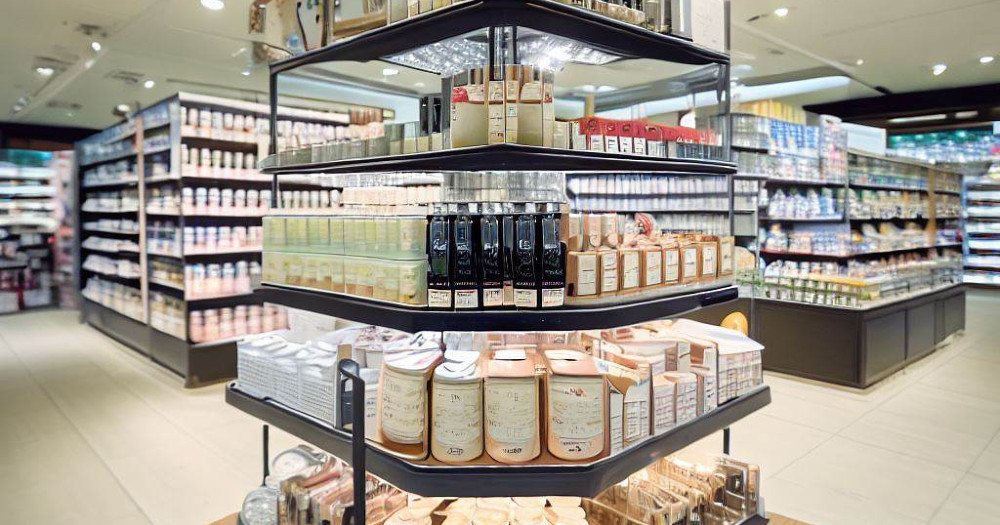
Making your products visible is a key element of successful retail merchandising. How can tiered display stands contribute to this visibility? Tiered stands naturally draw the eye due to their vertical structure. It makes them great for showcasing products.
To enhance visibility, consider the hierarchy of products. Place higher-margin or promotional items at eye level, everyday items a little lower, and lower-margin items on the bottom tier. For instance, in a bookstore, bestsellers or signed editions can be placed at eye level on a tiered stand. While regular editions can be placed on the lower tiers.
Keeping the displays fresh
Keeping your displays fresh and relevant is another crucial aspect of successful merchandising. How can tiered display stands facilitate this? Rotate the products on your tiered stands based on seasons, holidays, or occasions. This keeps the display relevant and encourages customers to check out the stand regularly.
For example, a supermarket could use a tiered stand to showcase seasonal produce, or a gift shop could use it to feature holiday-themed items.
Other merchandising strategies
Beyond positioning, visibility, and rotation, what are some other effective merchandising strategies using tiered display stands? Cross-merchandising is a strategy that can be effectively executed with tiered stands. By displaying products that complement each other on the same stand, you can encourage additional purchases. For instance, a tiered stand in a clothing store could display a complete outfit with accessories included.
Themed displays are another strategy, grouping products together that fit a particular theme or narrative. For instance, a tiered stand in a home goods store could display a “breakfast in bed” theme featuring trays, coffee mugs, cereal bowls, and spoons.
Conclusion
Through strategic positioning, maximizing visibility, regularly rotating products and other effective merchandising strategies, tiered display stands can serve as a powerful tool to maximize your sales.
There’s always more to learn in the world of retail merchandising, such as leveraging customer psychology with your displays or the benefits of combining different types of fixtures. So stay tuned to MarketingFIXT for more insights and tips on how to take your retail experience to the next level!
If you found this article helpful in maximizing sales with the effective use of tiered display stands, make sure to check out our website for more information on different stands that helps boost sales.
Welcome to another edition of MarketingFIXT, where we explore the world of marketing fixtures to revolutionize your retail experience. Today, we’re blooming into an area that’s both visually appealing and has an immense impact on the atmosphere of your supermarket – flower display stands.
Flowers are already one of the most beautiful products to sell so there is no need to go above and beyond with their display stands. Instead use flower display stands as helpful and practical tools. To highlight the natural beauty of your flowers in an authentic way.
In this article we will delve into how well-orchestrated flower display stands can transform your supermarket ambiance, making it more inviting and aesthetically pleasing.
Ready to cultivate your knowledge?
Let’s grow!
The main principles of display stands
As we like to admit, design is a language. And when it comes to tiered flower display stands, it speaks volumes about your supermarket’s image.
So how can you leverage design principles to create an attractive floral display?
The arrangement of flowers on a tiered display stand should be pleasing to the eye. Therefore you should consider design principles such as balance, contrast, and focus.
Balance your display by distributing the weight of the elements evenly across the tiers.
Contrast can be achieved by mixing different types of flowers.
Focus can be directed by featuring a unique or vibrant variety at the center or top of the display.
For example, a supermarket could use a three-tiered display stand and distribute different types of flowers across each tier. Using roses on the top tier for focus, daisies on the middle for contrast, and leafy green plants on the bottom for balance.
Color theory has a huge impact on sales
Next, let’s talk about colors. Honestly, colors can evoke emotions and influence a shopper’s behavior quite a lot. So, how can you harness the power of color theory in your flower displays?
Well, colors impact our perception and mood. So for example, warm colors such as red, orange, and yellow are energizing and attention-grabbing, while cool colors like blue, green, and violet are calming and soothing.
Use color theory to create an emotional response from your shoppers.
So to create a soothing and calm atmosphere, opt for displays with a dominance of cool-colored flowers like lilacs, violets, and blues. And on the other hand, to create a more vibrant and energetic ambiance, use warm-colored flowers like roses, sunflowers, and marigolds.
Pay attention to good illumination in flower displays
Lighting is a subtle yet powerful tool that can highlight your flower displays and add depth to your supermarket’s ambiance.
Good lighting will accentuate the beauty of your flower display and make it more enticing. Use spotlights to highlight premium or special flower arrangements, ambient lighting to create a pleasant overall atmosphere. And then task lighting for areas where customers might want to examine flowers more closely.
In conclusion
So in conclusion we can say that the impact of a well-planned and beautifully designed flower display stand extends far beyond aesthetics. It surely influences the ambiance of your supermarket, shaping customers’ perceptions and emotions, ultimately influencing their shopping experience.
So by leveraging design principles, color theory, and lighting, your flower display can be a beacon of positivity and charm within your supermarket.
Remember to keep this blossoming conversation going by exploring related topics in our article such as:
Outdoor digital advertising has been an essential part of the advertising industry for centuries. However, with the advent of new technology, it has evolved significantly.
This article explores the transition from traditional billboards to Digital Out-of-Home (DOOH) advertising. We will be discussing the technological advancements, shifting consumer habits, and benefits of digital platforms that have shaped this evolution.
Traditional billboards
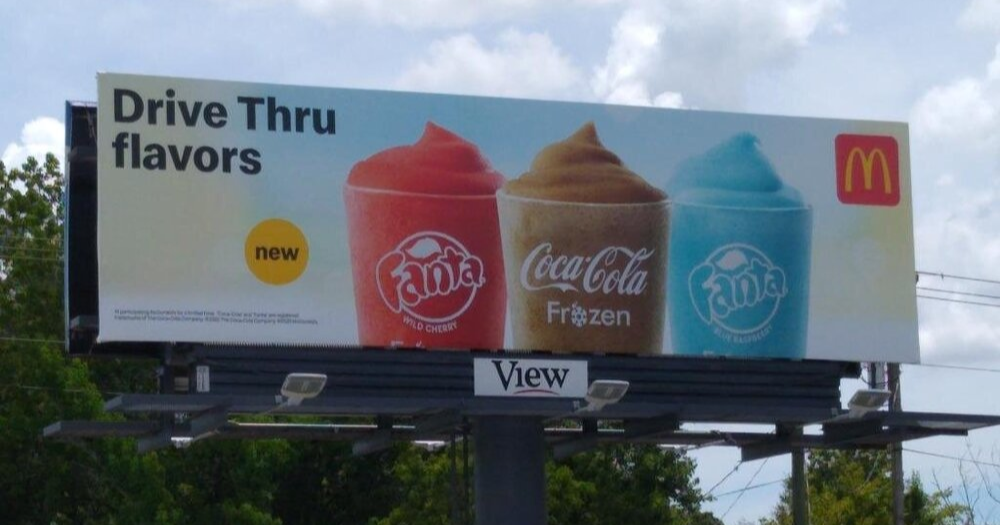
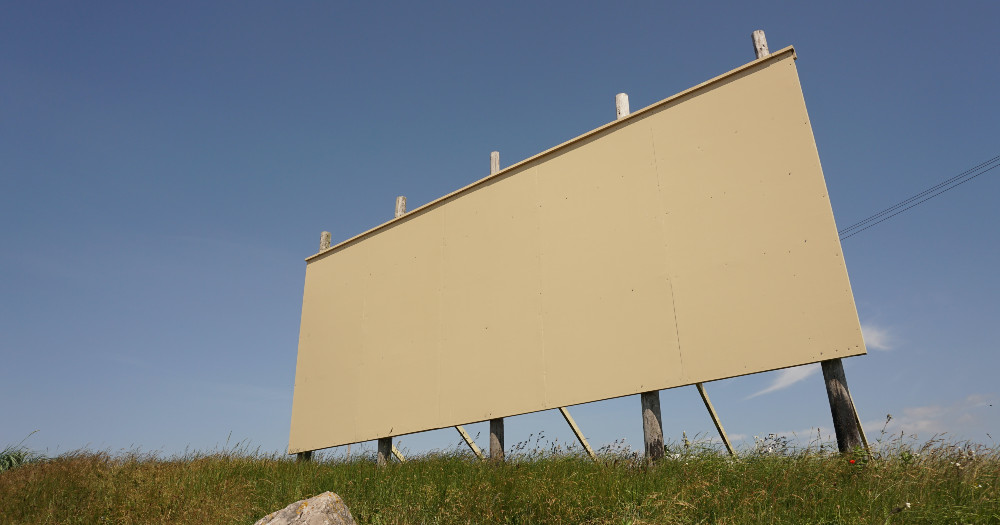
Traditional billboards have been a staple of outdoor advertising for many years. Typically located along highways or busy city streets, these large-scale ads offer marketers the opportunity to reach a wide audience.
Traditional billboards are static, printed advertisements, often leased for a period ranging from a few weeks to several months. They offer high visibility, especially in high-traffic areas. However, their static nature means that they can only display a single ad until they are manually replaced.
Billboards for iconic brands like Coca-Cola or McDonald’s are ubiquitous and have become part of the cultural landscape in many cities. Despite their widespread use, traditional billboards have limitations. Including the cost and effort required to change the displayed ads and the inability to target specific audiences or adapt to different times of day.
Introducing DOOH
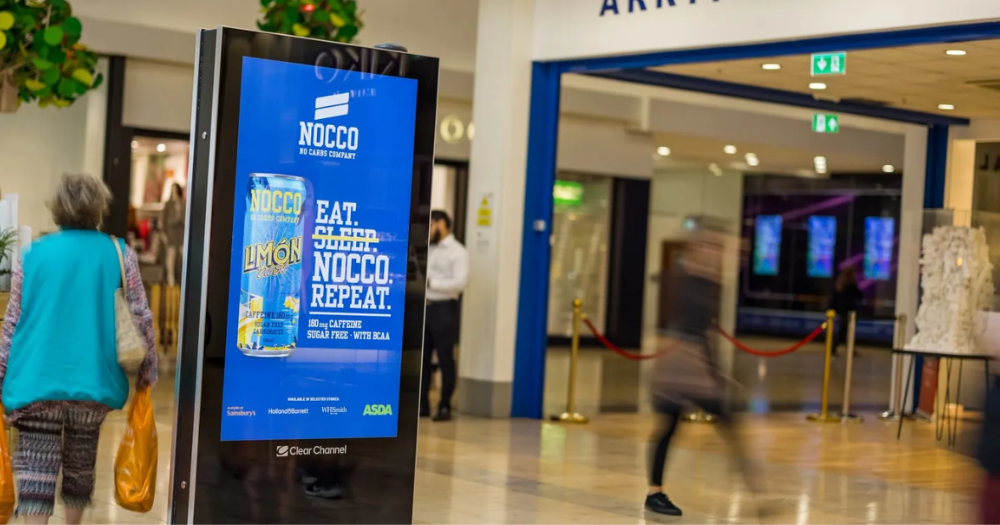
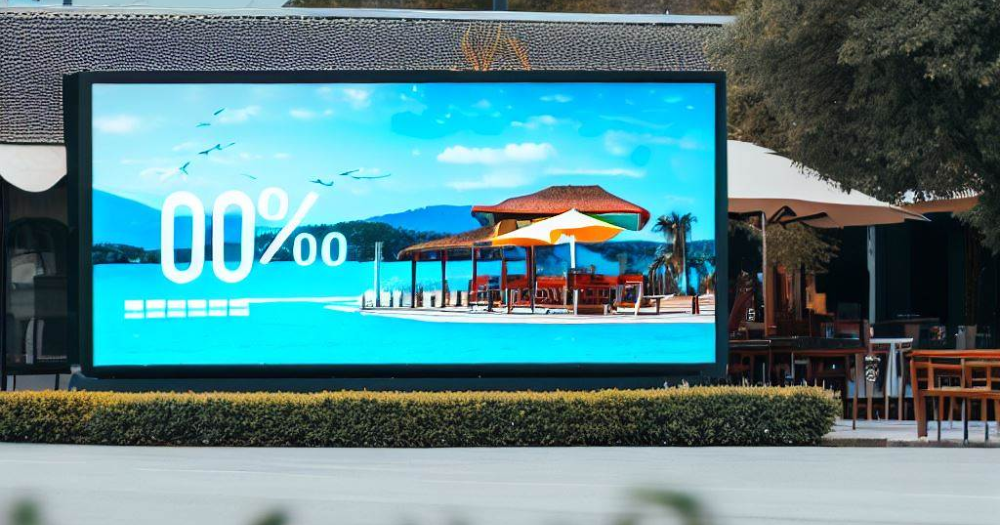
Digital Out-of-Home (DOOH) advertising represents a significant advancement in the outdoor advertising space. By replacing printed images with digital screens, DOOH allows for dynamic, adaptable, and interactive advertising.
Such ads are displayed on digital screens, which can range from large digital billboards to smaller displays in locations like bus stops, shopping centers, or airports. DOOH ads can be changed in real-time, allowing advertisers to display different ads at different times of the day, react to current events, or even interact with audiences.
DOOH has led to some truly innovative advertising campaigns. For example, British Airways ran a DOOH campaign where their ads – displayed on digital billboards – would interact with their planes flying overhead, with the ad showing the flight number and destination of the plane. This level of interactivity and real-time relevance is something that traditional billboards simply cannot match.
Technological advancements fueling DOOH
Several key technological advancements have driven the rise of DOOH. The development of high-quality digital screens that can withstand outdoor conditions made the transition from print to digital billboards possible.
Aside from the screens themselves, advancements in data collection and analytics have also fueled DOOH’s growth. Modern DOOH platforms can collect data on passers-by (such as the number of people, their speed, and even demographic info in some cases), allowing for improved audience targeting and measurement. Furthermore, the rise of programmatic advertising platforms has made it easier for advertisers to manage and optimize their DOOH campaigns.
Changing consumer habits
Just as important as technological advancements are the changing habits of consumers. With the widespread use of smartphones, consumers are more connected than ever – a fact that DOOH advertising takes advantage of.
DOOH can interact with mobile devices in various ways – for example, through QR codes that direct users to a website or app, or through technology like Bluetooth or geofencing. This ability to bridge the gap between the physical and digital worlds is a key advantage of DOOH.
The benefits of digital platforms
The shift to digital platforms has brought several benefits to outdoor advertising. For example, real-time updates, audience targeting, and advanced analytics capabilities.
The use of digital platforms in DOOH advertising brings an unprecedented level of flexibility. Ads can be updated in real-time. It allows advertisers to react to events instantaneously or change their message depending on the time of day or other factors. Audience targeting can be based on real-time and historical data, ensuring the ad’s relevancy to its viewers. Advanced analytics can provide detailed insights about who is viewing the ads and how they’re interacting with them. It enables advertisers to measure the effectiveness of their campaigns more accurately.
For example, a coffee company can advertise its breakfast menu in the morning. Then they can switch to lunch items in the afternoon, and promote its dinner menu in the evening. All on the same DOOH display. During a heatwave, a clothing retailer can promote its range of shorts and summer dresses. This ability to adapt advertising content in real time is a game-changer for the industry.
The future of digital outdoor advertising
As we look forward, the fusion of technology with outdoor advertising promises even more exciting possibilities. Advancements like augmented reality (AR), artificial intelligence (AI), and machine learning will likely play increasingly significant roles in DOOH. By continuing to adapt and innovate, DOOH will remain an influential player in the advertising landscape.
Conclusion
The evolution from traditional billboards to DOOH represents a revolution in outdoor advertising. This shift has been driven by technological advancements, changing consumer habits, and the myriad benefits offered by digital platforms. DOOH will continue to provide advertisers with dynamic, flexible, and effective ways to reach and engage their audiences.
If you found this article helpful in getting to know the evolution of outdoor digital advertisements and want to know more, check out – design effective content for outdoor digital signage article. To expand your knowledge even more, check out our website.
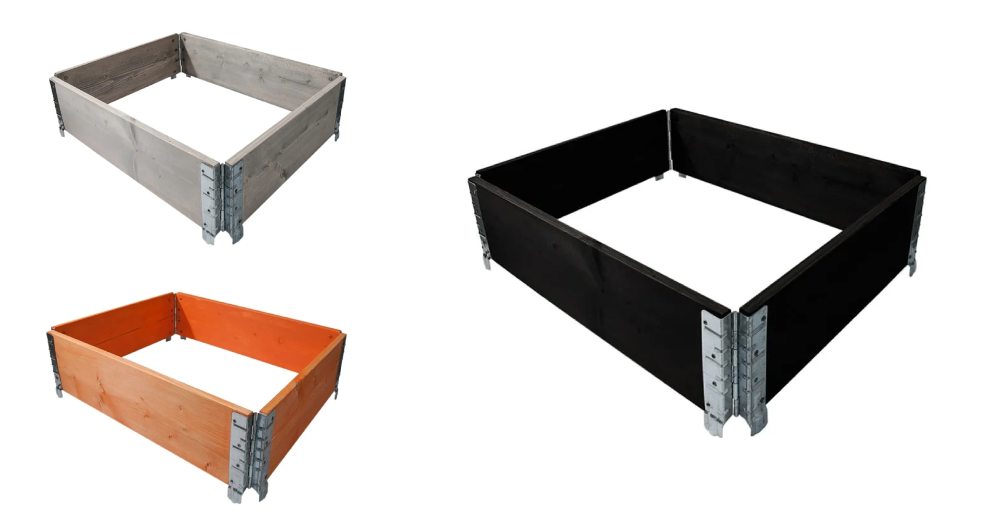
In the competitive landscape of the retail industry, supermarkets are constantly seeking innovative ways to optimize their storage and display strategies. One solution that has proven to be particularly effective is the use of pallet collars.
These adaptable structures provide several benefits across different departments in supermarkets. And they don’t have to be just practical and functional, because their design can also be quite good looking.
In this article we will take a look at all the ways pallet collars can be used for various products and their numerous advantages.
The utility of pallet collars for dry goods
Dry goods form a significant part of the inventory in supermarkets. This section explores how pallet collars can be beneficial for their storage and display.
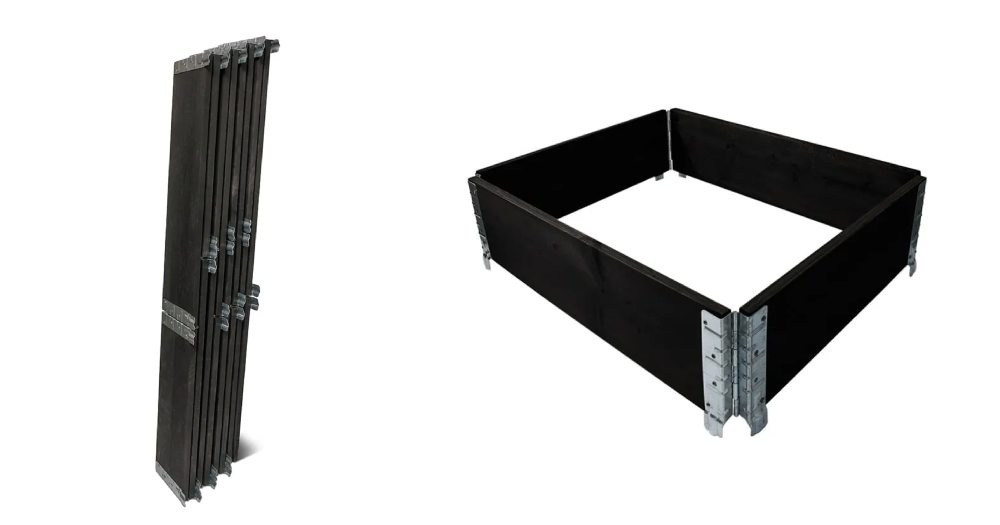
Pallet collars offer excellent protection and visibility for dry goods. They allow for effective stacking, thus maximizing shelf space. Besides, the height of the pallet collar can be adjusted according to the size and quantity of the goods. That way supermarkets can easily accommodate varying product dimensions.
For example, supermarkets often use pallet collars to stack bulk items such as cans, cereal boxes, and packaged snacks.
This not only maximizes storage space but also makes it easier for customers to identify and pick up the products they want.
Pallet collars can manage perishable items
Perishable goods pose unique challenges due to their short shelf life and specific temperature requirements. Pallet collars can help manage these issues quite effectively.
The first way is that pallet collars provide a flexible and efficient solution for perishables such as fruits and vegetables. They allow air to circulate around the products, which helps keep them fresh for longer periods. With their adjustable heights, they can also accommodate bulkier items such as pumpkins or watermelons. Meaning they are great for all seasons.
An example of this versatility can be seen in the produce section, where pallet collars are used to create attractive and easily accessible displays. Not only do they help in maintaining the quality of the produce, but they also present it in an appealing manner that can boost sales.
The important role of pallet collars in the cold chain
Maintaining the cold chain is crucial in supermarkets to ensure the freshness and safety of certain products. Pallet collars are effective for maintaining the cold chain as they can be used in refrigeration units and cold storage facilities.
Their adjustable nature ensures efficient use of space even in the limited confines of a refrigeration unit. They are commonly used to store and display dairy products, frozen goods, and meats.
Benefits of using pallet collars for storage and display
Beyond their versatility for different products, pallet collars offer several other benefits when used for storage and display purposes in supermarkets.
First of all, these pallet collars enhance the efficiency of supermarkets by making the best use of available space. Their stackable nature enables supermarkets to store more products in the same amount of space. The Cost-Efficiency of Using Pallet Collars is also something to consider!
Then for display, the collapsible nature of pallet collars makes them easy to disassemble and rearrange, providing flexibility for promotional displays or seasonal changes.
And lastly, the use of pallet collars in supermarkets is a testament to their versatility and the various benefits they provide. Their adaptability to different product types, coupled with their efficiency in space usage, makes them an invaluable tool in the supermarket industry.
Supermarkets continue to innovate their practices. And so the role of pallet collars is set to become even more significant.
Pallet collars and efficient inventory management
Efficient inventory management is a cornerstone of successful supermarket operations.
Pallet collars offer a clear view of the products contained within. As a result, it makes it easier for staff to monitor stock levels and know when replenishment is necessary. The ease of access to products also simplifies the process of restocking.
Furthermore, their adjustable heights can be tailored to match product quantities, thereby reducing the likelihood of overstocking or understocking.
A case in point is the management of popular goods like soft drinks or bottled water. Given their high turnover rate, supermarkets can utilize pallet collars to keep a close eye on inventory levels.
Pallet collars help in safe product handling
Safe product handling is paramount in supermarkets to prevent damages and ensure employee safety. Let’s delve into how pallet collars assist in achieving this objective.
So as we know, pallet collars can greatly enhance safety during product handling. Their sturdy design provides a stable base for goods. It reduces the risk of products toppling over during transport or display. Additionally, their rounded corners prevent accidental scrapes or injuries, making them safer to handle for supermarket staff.
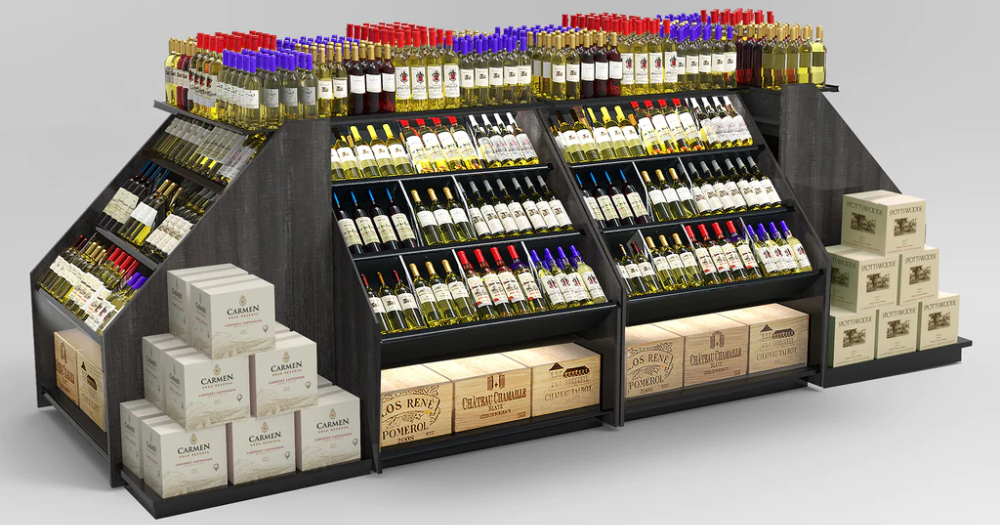
For example, in the wine and spirits section, pallet collars can provide a secure display solution. That way reduces the risk of expensive bottles being accidentally knocked over or damaged.
The customer shopping experience is significantly influenced by the layout and display of products in supermarkets. And surely pallet collars can contribute to an enhanced shopping experience.
Pallet collars allow for a neat, organized, and easily accessible display of products, making shopping easier and more enjoyable for customers. Their open-top design offers customers a clear view of the products. It allows them to quickly identify and pick the items they need.
Furthermore, their adjustable height can be customized to a level that provides easy reach for most customers, thereby improving the overall shopping experience.
Consider the scenario of a promotional display using pallet collars. Products can be neatly organized and prominently displayed to attract customer attention, thereby boosting the visibility and sales of these products.
The future of pallet collars in supermarkets
As we’ve seen, pallet collars already play a significant role in modern supermarkets. But what does the future hold for these versatile tools?
Well, the demand for pallet collars in supermarkets is likely to rise as they continue to prove their worth in terms of versatility, efficiency, and safety.
We can also anticipate further innovations. For example, the integration of smart technology with these collars might be the next step. Imagine pallet collars equipped with IoT (Internet of Things) sensors, providing real-time data on inventory levels, location tracking, and even product conditions such as temperature and humidity.
Such advancements could revolutionize supermarket operations. That makes them even more efficient and customer-friendly.
One example could be a pallet collar system designed to automatically adjust its height based on the amount of product it holds, ensuring optimal space usage at all times. Another possibility is smart pallet collars that notify staff when stocks run low, thus further improving inventory management.
In conclusion, the versatility of pallet collars is already proving instrumental in supermarkets’ efficiency and organization. However, as technology advances and the need for sustainable solutions grows, the potential for these humble tools is vast and exciting. Their future looks bright, promising a new era of innovation and efficiency in supermarket operations.
Make sure to check out our other articles about all kinds of product stands and crates for stores:
It’s a digital world out there, and outdoor digital signage is playing a starring role in capturing attention and conveying messages. But not all digital signage is created equal.
The design of your content can make all the difference between success and failure. So, let’s dive in and explore the elements that make up effective digital signage content.
The importance of clarity
The essence of any good digital signage is its message. As passersby often only glance at a sign for a few seconds, your message must be crystal clear and quickly understandable. Avoid information overload; instead, focus on one primary message that viewers can absorb instantly.
For example, a restaurant might have a digital sign saying, “Enjoy 50% Off All Main Courses Today – Step Inside Now!” It’s clear, direct, and it includes a call-to-action that encourages the viewer to enter the restaurant and avail of the promotion.
Attractive visuals
Visuals play an integral role in digital signage content. High-quality images, engaging videos, and creative graphics can make your signage more compelling and memorable. Remember, your sign has to compete with many other visual stimuli in the environment, so it needs to stand out. Use high-contrast colors to ensure visibility and keep it consistent with your brand.
Consider digital signage for a pet store with high-quality, vibrant images of adorable pets and their products. The visuals would catch the eye and evoke emotional engagement, making the sign more impactful. Learn more about attractive visuals here – The Art of Visual Merchandising Using Retail Shelving.
Readability
When it comes to outdoor digital signage, readability is crucial. If people can’t read your sign easily from a distance, they will simply move on. Choose fonts that are clean and large enough to be seen from afar. Also, consider the viewing distance and angle when determining font size and type.
For instance, digital signage on a highway should have a larger font size than on a sidewalk. An effective example would be a coffee shop’s digital signage displaying “Fresh Coffee – Only $2” in large, bold fonts, clearly visible to pedestrians and motorists passing by.
Consistency with brand identity
Digital signage provides a fantastic opportunity to strengthen your brand identity. From the colors and fonts you choose to the style of imagery and tone of messaging, every element should reflect your brand. Consistency across all your signage and other marketing materials can reinforce your brand identity and make your signage more recognizable.
Imagine a tech company known for its minimalist design aesthetic. Its outdoor digital signage that features a sleek, modern design with a lot of white space, a simple sans serif font, and the company’s logo prominently displayed would immediately be recognizable as belonging to that brand.
Staying ahead in the game
In this digital era, staying updated with technology is a must. Use cutting-edge software for creating your digital signage content – software that enables you to edit your content effortlessly, try different design elements, and preview your design before it goes live.
Furthermore, with the emergence of AI and analytics, you can now measure the effectiveness of your digital signage content. So, embrace these technologies, and let data guide your content design strategy.
Testing and adjusting
Remember, designing effective digital signage content isn’t a one-and-done task. It’s an ongoing process that involves testing different elements, gathering feedback, and making adjustments.
You can use technology like eye-tracking software or digital signage analytics to get a better understanding of what’s working and what’s not. Always strive for continuous improvement. For instance, a retail store can try different digital signage content strategies during peak hours, analyze the foot traffic and sales data, and decide which strategy works best.
Conclusion
The ultimate goal of your outdoor digital signage is to create an impact. The right design can make your sign impossible to ignore, successfully delivering your message to your audience and encouraging them to engage with your brand.
Keep your messaging clear and compelling, visuals eye-catching, and ensure your content is easily readable. Above all, remember to echo your brand identity across all your designs.
By combining these principles, you can create effective content that not only informs and engages your audience but also leaves a memorable imprint on your brand. Remember, the power of design is immense, and in the realm of outdoor digital signage, it holds the key to standing out and getting noticed.
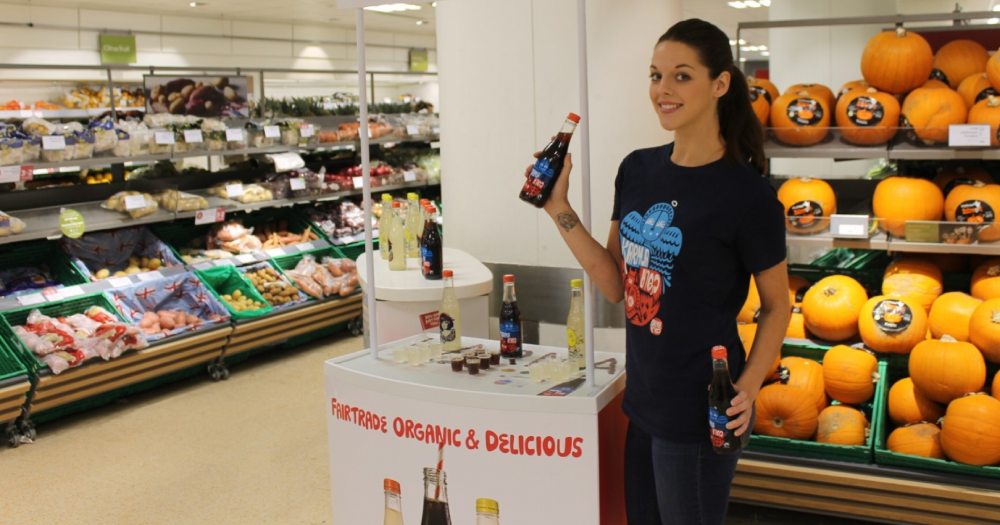
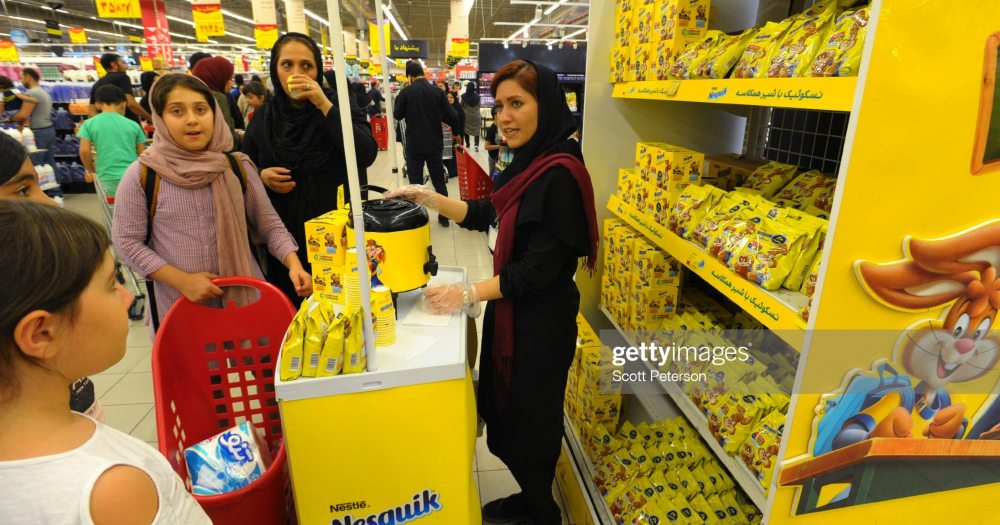
Promotional sampling booths are an excellent way to showcase your products. But it is important to stand out from others. If you will do it the right way, promotional booths can help you create brand awareness and connect with potential customers.
However, the effectiveness of your promotional sampling booths hinges on its design and setup. So in this article, we will take a look into how to design engaging and effective promotional sampling booths for product sampling.
We’ll cover the visual appeal of the booth, product display strategies, incorporation of brand elements, and practical considerations like space management and event guideline compliance.
1. Create a visually appealing booth
The first impression of your booth plays a significant role in attracting people. Especially if your booth is amongst others. Then standing out with a visually creative and appealing booth is especially important.
To create a visually appealing booth that drives curiosity, take care of:
Color – make sure to utilize your brand’s colors in your booth design to create an eye-catching and consistent look. For example, if your brand colors are blue and white, you might have a blue backdrop with your logo and white tables for product display.
Lighting – good lighting can make your booth appear inviting and help highlight your products. Consider using spotlighting for featured products or soft, ambient lighting to create a warm, welcoming atmosphere.
Signage – use clear, easy-to-read signage that communicates who you are and what you’re offering. A well-designed banner hanging above your booth can help attendees locate and remember you.
All in all, in a sea of booths, yours needs to stand out. It should draw people’s eyes and make them curious about what you’re offering.
2. Make sure to display your products effectively
The way you display your products can impact the ease of access and the testing experience for visitors. Product exposure is very crucial so make sure you master your skills on it.
For effective product displays make sure to take care of accessibility. Ensure your products are easily accessible for attendees to sample or test. If possible, allow visitors to touch, feel, and use your product.
Use multi-level displays to make the most of your space and allow visitors to see products from different angles. Also make sure you’re highlighting key products. If you have a new or flagship product, position it prominently in your display and consider using signs or lighting to draw attention to it.
Your products should be the star of your booth. How they’re displayed can affect how readily attendees approach, interact with, and remember them.
3. Incorporate your brand elements
Incorporating your brand elements into your booth design can enhance brand recognition and recall.
To incorporate brand elements take care of:
Logo – ensure your logo is visible from various angles and distances. This might involve placing it on banners, backdrops, tables, and staff uniforms.
Branding message – if you have a tagline or a specific marketing message, display it prominently in your booth. This could be a printed sign or digital display.
Brand personality – reflect your brand’s personality in your booth’s design. If your brand is fun and youthful, you might use bright colors and playful decorations. If it’s sophisticated and luxury-oriented, you could opt for a sleek, minimalist design.
Your booth is not just a platform for product sampling; it’s a representation of your brand. The design and feel of your booth should reflect your brand’s personality and values.
4. Take care of practical considerations
While the aesthetic of your booth is important, don’t overlook the practical considerations. An effective booth design also takes into account the comfort of both staff and visitors, ensures the space is used efficiently, and complies with event guidelines.
Ensure there is enough space for staff to move around and for visitors to comfortably explore your products. This might involve using compact furniture, arranging displays strategically, and avoiding clutter.
If possible, choose a location with high foot traffic, such as near entrances, food areas, or along main walkways.
Also review the event’s rules and regulations for booths, including size limitations, allowed materials, and set-up or take-down procedures. Make sure your design conforms to these guidelines.
5. Try creating interactive experiences
Adding interactive elements can make your booth more engaging and memorable. In an era where experiential marketing is gaining significant traction, offering interactive experiences at your promotional booth can substantially enhance visitor engagement and dwell time.
It can transform your booth from a mere point of information to an immersive, hands-on experience that resonates with attendees long after the event.
Here are some ideas!
Product demonstrations
Product demonstrations serve a dual purpose – they entertain and educate. By showing your product in action, you can attract a crowd, provide a clear understanding of how the product works, and highlight its benefits.
For example, if you’re showcasing a new kitchen gadget, doing live cooking demonstrations using the gadget can be quite effective. Attendees can see the gadget’s practical use, taste the results, and ask questions about its features or operation.
A well-executed product demonstration can be a powerful tool to persuade attendees of the value your product brings to their lives.
Digital interaction
The integration of digital elements into your booth can elevate the visitor experience to a new level. Touch screens offering detailed product information allow visitors to explore your product’s features at their own pace, while tablets or kiosks could be set up for visitors to sign up for newsletters, participate in digital contests, or place orders directly.
Social media sharing stations where visitors can share branded photos or videos from your booth help extend your reach beyond the event’s physical boundaries. Consider creating a unique event hashtag for visitors to use when sharing, increasing your brand’s visibility online.
Augmented reality (AR) experiences can be particularly engaging. For instance, if your product is a home furnishing item, an AR app could allow visitors to visualize how it would look in their own homes. These digital experiences can provide attendees with a memorable, personalized interaction with your brand.
Games or contests
Games or contests can make your booth fun and inviting. They offer a break from the standard product pitch, stimulating interest and fostering a more relaxed and engaging atmosphere. The game or contest should be simple, quick, and related to your product or brand!
For example, if you’re promoting a new brand of tea, you could host a ‘guess the ingredient’ contest. Winners could receive small prizes like a sample pack of your teas. Such activities not only entertain but also help you gather attendee contact information for post-event follow-up.
Games also present opportunities for attendees to interact with each other, fostering a sense of community around your brand. Offering a leaderboard or announcing winners throughout the day can further promote engagement and excitement around your booth.
By offering these interactive experiences, you create opportunities for deeper connections between the attendees and your brand, making your promotional sampling booth not just a place to learn about a product, but a memorable part of their event experience.
Conclusion
In conclusion we can say that designing effective promotional sampling booths requires strategic thinking, creativity, and attention to detail.
We hope this article was helpful to you! Remember that by creating a visually appealing design and addressing practical considerations, you can maximize your product’s exposure.
Make sure to check out our other related articles:
Impulse buying is a powerful tool in the retailer’s arsenal. We have all fallen victim to those times when we made an impulse purchase that was more emotional rather than logical. Besides, often these purchases are stimulated by a visually appealing, strategically placed product that catches our eye. Good table top display stands can achieve that.
If you’re on the other side and you want to promote as many impulse purchases as you possibly can, then investing in some good table top display stands is a good marketing move.
So in this article we will discuss how store owners like you can use table top display stands to boost impulse purchases. We’ll explore product choice, display arrangement, and psychology-based strategies that can make your store irresistible to shoppers.
Let’s get started!
What lies in the power of product choice
The first step in encouraging impulse purchases is selecting the right products for your table top display stands. We encourage you to choose some items that are attractive, reasonably priced, and complementary to your main product line.
Choosing what products to display is a critical decision. They will either capture the client’s attention or they won’t. So the selected items should be compelling enough to attract a shopper’s attention and motivate a spontaneous purchase.
Ideal products for impulse buys often have the following characteristics:
Low price – high-priced items typically require more thought and consideration. On the other hand, lower-priced items are easier for customers to justify on a whim.
Small size – the products should be small enough to fit on the table top display and also easy for customers to carry around the store.
Seasonally relevant – seasonal products can boost impulse buying as they evoke the current mood and festivities. For instance, around Valentine’s Day, a display of unique, hand-crafted chocolates might attract impulsive buyers.
Tied to primary purchase – display items that can complement a primary purchase. For example, if your store specializes in books, featuring bookmarks or reading lights on your table top display stand might tempt shoppers.
After you take these steps into consideration and put them to action, you might be surprised with the results. However, that is not it yet. Let’s talk about product arrangements.
Make sure you master your display arrangements
The arrangement of your display plays a crucial role in enhancing the attractiveness of your products and stimulating impulse purchases.
An effective arrangement is aesthetically pleasing, draws attention, and makes products easy to reach.
Here are some display arrangement techniques to consider:
Use of height – stagger the heights of your products to draw the eye and create visual interest. For example, use risers or platforms to elevate some items.
Color coordination – group products by color or theme. This can draw attention and make your display more visually appealing.
Accessibility – ensure products are easy to reach and examine. Customers are more likely to purchase something they can touch and feel.
How you arrange your products can make a significant difference in sales so be sure to know your arrangements.
Understand and apply psychology-based strategies
Leveraging psychological strategies can further boost impulse buying behavior.
Consider the following psychological strategies:
Scarcity principle – the perception of scarcity can trigger customers to buy. You can create this perception by limiting the number of items on display and using signage like “While supplies last!”
Sense of urgency – creating a sense of urgency can also prompt customers to buy on the spot. Limited-time offers or countdown timers can stimulate immediate purchases.
Social proof – people tend to do what others are doing. Highlighting best-sellers or using signage like “Everyone’s favorite” can make customers more likely to buy.
Understanding the psychological triggers that lead to impulse purchases can help you optimize your display stands for maximum effect.
Location, location, location
Finally, the placement of your table top display stands in your store significantly impacts their effectiveness in driving impulse purchases.
Effective product placement for your table top displays is as important as choosing the right product. High-traffic areas where customers tend to pause or slow down are ideal.
Here are key areas to consider placing your table top display stands:
Point of Sale – the checkout area is one of the best places to stimulate impulse buys. While customers wait in line to pay, they can be enticed by small, inexpensive items displayed nearby.
Store entrance – placing a display stand near the entrance can grab a customer’s attention as they walk in, setting the tone for their shopping experience.
High traffic areas – any area in your store where customers tend to pause, such as near fitting rooms or escalators, is a good spot for a display stand.
Next to complementary products – placing items that pair well together encourages customers to buy more. For example, displaying stylish sunglasses next to summer dresses can lead to additional purchases.
Boosting impulse purchases through strategic use of table top display stands requires careful planning and execution. But if you take into consideration our tips from this article, you might be surprised by your success!
In conclusion
By selecting the right products and placing your stands strategically, you can create a compelling shopping environment that encourages customers to buy more. The resulting increase in sales can contribute significantly to your store’s success.
Remember, each boutique is unique, and what works well for one might not work as well for another. It’s important to test different strategies, see what works best for your store and customer base, and continually refine your approach based on your findings.
Make sure you also check out our articles on other types of display stands: